

Water Damage After Short Sale Approval: What Changes?
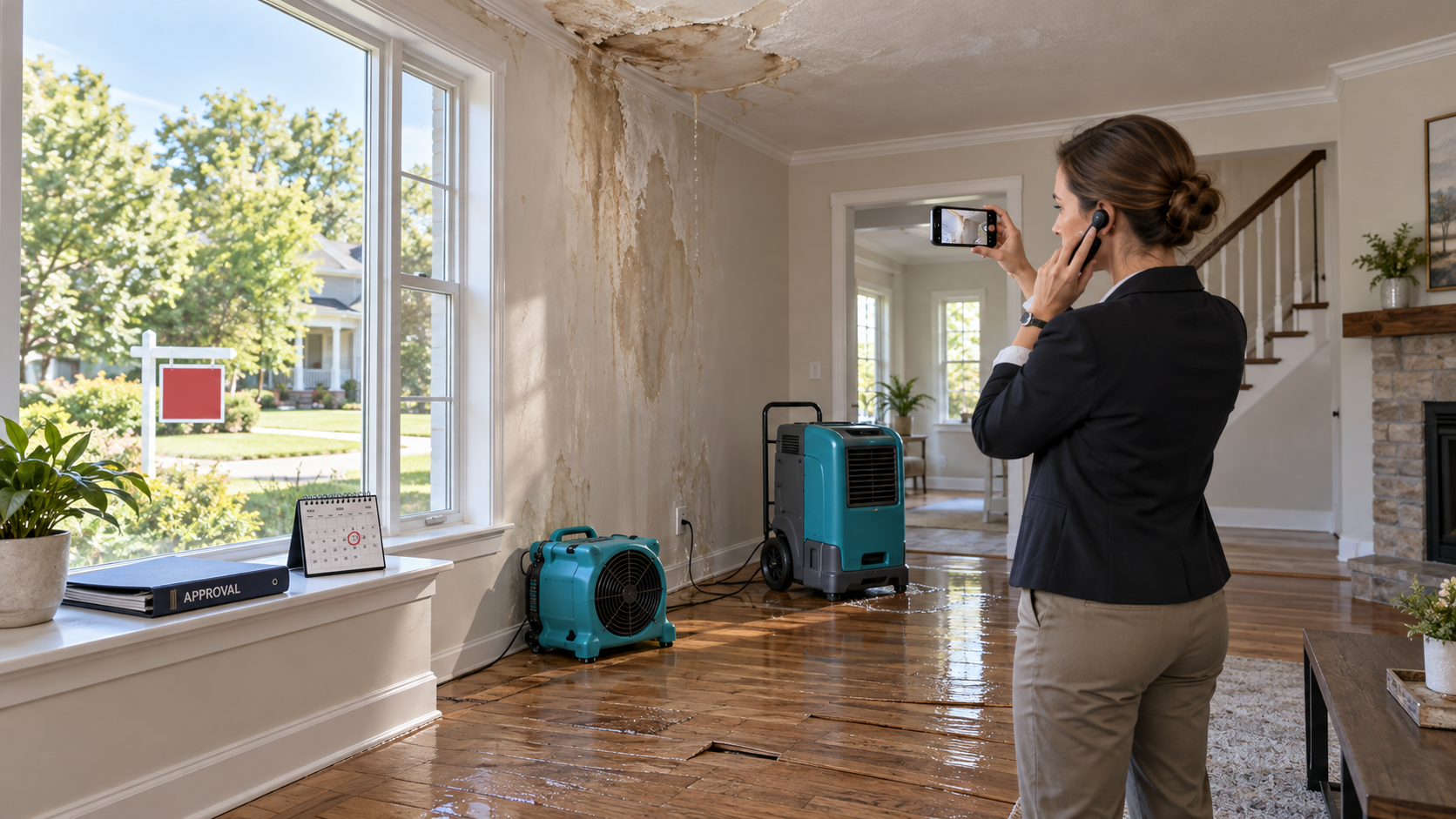
The bank approved the short sale. The buyer is preparing to close. Then a walkthrough reveals a ceiling leak, wet flooring or damage that was not part of the original review.
The approval letter still exists, but the property and possibly the transaction have changed. The next step is not to assume the deal is canceled. It is also not to keep moving as though nothing happened.
Get the condition documented, tell the right people and confirm which parts of the closing plan still hold.
Fast Answer
If water damage is discovered after short sale approval, address immediate safety and damage control through qualified professionals, document the change and promptly notify the appropriate transaction contacts. Ask the seller's servicer what updated review is needed, have the buyer check contract and financing requirements, and confirm insurance claim instructions. Do not promise a repair credit, price reduction, insurance payout or closing extension without the required written agreement.
Start With Safety, Not the Closing Calendar
Do not enter an area that may be unsafe because of electricity, structural damage or contaminated water. Contact the appropriate emergency or qualified property professionals when conditions require it.
The owner should promptly contact the insurer about reporting requirements and steps to prevent further damage. Do not wait for the short sale negotiator to decide an insurance question.
When documentation can be obtained safely, preserve dated photos, the discovery date, an assessment of the affected areas and any professional findings or estimates. Describe what is known rather than guessing about the cause, repair cost or extent of hidden damage.
An estimate is not proof that every affected area has been identified or that a repair is complete. Keep those distinctions clear in updates to the buyer and servicer.
Tell Each Decision Maker What Changed
The seller's mortgage servicer, buyer's lender, insurer and closing team have different jobs. An answer from one does not automatically satisfy the others.
The listing agent or authorized short sale contact should send the seller's servicer a concise condition update through the approved channel. Ask whether it needs new photos, a repair estimate, a valuation update, revised offer terms or another approval review.
The buyer should discuss the new condition with the buyer's agent and lender. The buyer's financing may require additional inspection or repair evidence, depending on the loan and property. The existing short sale approval does not answer that question.
The closing team needs to know whether the price, credits, funds or closing date may change. Contract rights and notice requirements belong with the responsible broker or qualified local attorney.
For the broader buyer questions, see our guide to the risks of buying a short sale home.
An Insurance Claim Is Not a Ready Made Repair Credit
Do not assume the seller can use an insurance check to give the buyer a credit or pay whichever contractor the parties choose.
The Consumer Financial Protection Bureau explains that an insurance settlement check is generally made payable to both the homeowner and the mortgage servicer or lender. The servicer may hold funds and release them as repairs progress. Coverage and payment depend on the policy and claim.
Loan program rules matter too. For Fannie Mae loans, its insured loss guidance addresses claim documentation and disbursement. It also directs the servicer to remit remaining insurance loss proceeds at short sale closing in the circumstances covered by that guidance. Do not apply those instructions automatically to every investor or program.
Ask the insurer and the servicer's insurance loss team who controls the funds, what repair or inspection evidence is required and how any remaining proceeds must be handled. Keep contents or living expense benefits separate from property repair proceeds when the insurer identifies different categories.
There may be a claim, a deductible, a coverage question or no covered loss. Until the responsible parties confirm those facts, insurance money is not a reliable solution to the closing numbers.
Changed Terms May Need Written Review
New damage can lead the buyer to request repairs, a lower price, a credit or more time. Those requests need to be considered against the contract and the short sale approval terms.
If the proposed solution changes the lender's expected proceeds or any approved condition, ask the servicer what must be submitted before relying on the revision. An agreement between buyer and seller does not, by itself, approve a different short sale settlement.
Read which changed short sale terms must go back to the bank before treating a new credit or price as settled.
Fannie Mae's short sale guidance illustrates why the applicable investor's instructions must be checked, including requirements involving insurance proceeds. The servicer should confirm the current instructions for the actual loan.
Keep the Deadlines Separate
A pending claim, a contractor appointment or a request for revised approval does not automatically extend the purchase contract or the short sale approval letter. Do not assume it postpones foreclosure either.
Track the contract dates, approval expiration, buyer financing dates and any known foreclosure date individually. If a deadline is at risk, ask the appropriate party about an extension before it passes. Record what was requested and what was actually agreed in writing.
Before scheduling signing, compare the final terms with the short sale approval letter checklist for title.
Five Questions Before Calling the File Ready
Has the damage been assessed, and is access safe?
What did the insurer and insurance loss team confirm about coverage and funds?
Does the seller's servicer require updated review or written terms?
Has the buyer resolved the relevant contract and financing questions?
Do the final settlement figures, approval conditions and deadlines still match?
Unanswered questions do not necessarily mean the short sale is over. They mean the team should not promise that the old closing plan is still valid.
Bottom Line
Water damage after approval is a change to reconcile, not a detail to hide or a reason to guess at the outcome. Document it, involve the people responsible for safety, insurance, financing and approval, and get the necessary decisions before moving forward.
Crisp Short Sales provides short sale processing and coordination support, helping agents organize lender requests, changing terms and closing conditions. A coordinator can keep the questions and records moving, but does not decide insurance coverage, contract rights or property safety.
This article is general educational information, not legal, insurance, construction or financial advice. Requirements depend on the contract, policy, loan program, property and applicable law. No repair, revised approval, closing date or foreclosure postponement is guaranteed.