


Why Cash Buyers Love Short Sales (and How Sellers Benefit)
When a homeowner is facing foreclosure, a short sale can feel like the only light at the end of a very long tunnel. But here’s a little secret: cash buyers—especially seasoned investors—absolutely love short sales. And that’s not a bad thing. In fact, when investors jump in, sellers often benefit in ways they didn’t expect.
Cash Buyers Thrive on Distress Deals
Investors make their living finding properties with built-in equity opportunities. A short sale is exactly that: a home being sold for less than what’s owed. Since banks are motivated to cut their losses rather than deal with foreclosure, these homes often hit the market below typical pricing.
For a cash buyer, it’s like walking into a clearance aisle. For a seller, this means your listing is far more attractive to investors, which increases the chances of getting an actual buyer under contract quickly. For more tips on keeping your short sale moving, check out our advice on why some short sales stall and how to keep yours moving.
Speed is the Name of the Game
Traditional buyers often need weeks (sometimes months) for loan approvals, appraisals, and underwriting. In a short sale, where every day counts, that delay can be deadly.
Cash buyers eliminate that problem. They don’t need mortgage approvals, so they can close faster once the bank issues its short sale approval. For homeowners, this can mean shaving weeks off the timeline—sometimes the difference between approval and foreclosure.
Banks Prefer Cash Buyers Too
Here’s something many agents and homeowners don’t realize: banks reviewing short sales love to see a cash offer. Why? Less risk.
Financing contingencies mean more opportunities for deals to fall apart. If a buyer’s loan is denied, the bank is back at square one. A cash buyer signals certainty—the deal is almost guaranteed to close once approved. That assurance can help push the file across the finish line, as explained in what happens after you accept a short sale offer.
Sellers Don’t Pay the Investor’s Discount
One common misconception is that if an investor gets a “deal,” the seller somehow loses out. Not true in a short sale.
Remember, the seller isn’t pocketing any money in the transaction—the lender is the one taking the loss. So when an investor buys at a discount, it doesn’t harm the homeowner’s bottom line. In fact, sellers still get the same benefits: avoiding foreclosure, wiping out debt, and potentially qualifying for relocation assistance.
Relocation Assistance is Still on the Table
Cash buyers don’t interfere with relocation incentive programs. In fact, a strong cash offer may make it more likely that the deal closes, which means the homeowner actually receives the relocation funds (instead of losing them if the short sale collapses).
The Win-Win Dynamic
At first glance, it might feel like investors are just hunting for bargains at a seller’s expense. But in reality, their motivation to buy fast and close reliably is exactly what makes short sales succeed.•.
• Investors win by securing a property below retail.
Homeowners win by avoiding foreclosure, protecting their credit, and moving forward with dignity.•
That’s the essence of a short sale: everyone gives a little, but everyone gains something too.
Final Thoughts
Cash buyers aren’t the enemy in short sales—their ability to pay cash and move quickly often turns them into the heroes. If you’re a homeowner considering a short sale, don’t shy away from investors. Their ability to pay cash and move quickly could be the very thing that saves your home from foreclosure and gives you the fresh start you need.
At Crisp Short Sales, we specialize in bringing these pieces together—negotiating with banks, connecting with serious buyers, and ensuring sellers walk away with the best outcome possible.

The Top 5 Myths About Short Sales—And the Truth Behind Them
Debunk five common myths about short sales and learn the truth behind each misconception to help sellers and agents navigate short sale transactions with confidence.
When it comes to short sales, misinformation is everywhere. Sellers hear one thing from a neighbor, agents read something online from ten years ago, and buyers assume short sales are just “foreclosure light.”
The truth? Short sales are a unique, highly strategic transaction that can benefit everyone involved—when handled correctly. Let’s break down the five biggest myths about short sales and uncover the reality behind each one.
Myth /#1: Short Sales Always Take Forever
It’s true—years ago, short sales had a reputation for dragging on for six months or more. Back then, lenders were still figuring out the process, and delays were common.
The Truth: With the right negotiator and proper file preparation, many short sales can be approved in 60–90 days, sometimes even faster. At Crisp Short Sales, we pre-package every file with exactly what the lender needs, cutting weeks off the timeline.
Myth #2: Short Sales Hurt Your Credit Just Like a Foreclosure
One of the scariest misconceptions is that a short sale damages your credit just as badly as losing your home to foreclosure.
The Truth: While any late mortgage payments will impact your credit, a completed short sale is typically far less damaging than foreclosure. More importantly, a short sale can allow you to recover financially faster—often making you eligible for a new mortgage in as little as two years, compared to seven after a foreclosure.
Myth #3: The Seller Has to Pay All the Costs
Many homeowners avoid short sales because they think they’ll be hit with big fees they can’t afford.
The Truth: In most cases, the lender pays the real estate commissions and negotiator’s fees. At Crisp Short Sales, there’s no cost to the seller or their agent—ever. Our fees are built into the transaction and paid by the buyer’s side at closing.
Myth #4: Short Sales Mean the Seller Is Walking Away With Nothing
There’s a common belief that in a short sale, the homeowner hands over the keys and walks away empty-handed.
The Truth: Many lenders offer relocation assistance at closing—sometimes thousands of dollars—to help sellers move. This incentive is especially common when the short sale is part of a government program or negotiated properly.
Myth #5: Any Agent Can Handle a Short Sale Without Extra Help
While any licensed real estate agent can technically list a short sale, that doesn’t mean they should try to manage the entire process alone.
The Truth: Short sales require specialized knowledge of lender processes, document requirements, and negotiation tactics. Without it, deals fall apart. That’s why experienced negotiators like Crisp Short Sales exist—to protect the deal, keep communication flowing, and make sure the closing actually happens.
Short sales are often misunderstood, but when done right, they can be a win-win for everyone involved—lenders avoid costly foreclosures, sellers avoid devastating credit damage, and buyers can secure great properties.
The key is working with someone who knows the process inside and out. At Crisp Short Sales, we’ve spent over 15 years perfecting our system so short sales close faster, smoother, and with less stress for everyone.
If you’re a seller or an agent with a short sale on your hands, start a short sale with us today. You might be surprised how quickly we can turn a “hopeless” situation into a done deal.

Why Some Short Sales Stall — And How to Keep Yours Moving
If you’ve ever been involved in a short sale, you know it’s not a straight shot to closing. In fact, a short sale can feel more like a winding road with a dozen stop signs — and a few unexpected detours. Why? Because there are so many moving parts, and so many different parties and stakeholders, that if just one person slows down, the whole transaction can come to a crawl.
That’s where an experienced short sale processor steps in. Think of a good processor as a transaction air-traffic controller — keeping all the planes (lenders, sellers, buyers, title companies, agents) from colliding or circling endlessly in a holding pattern. Without someone coordinating all of those moving pieces, it’s far too easy for one delay to snowball into a stalled deal.
The Usual Suspects: Why Short Sales Get Stuck
While every file is different, here are some of the most common reasons a short sale grinds to a halt:
Too Many Hands, Not Enough Coordination
You’ve got the listing agent, buyer’s agent, title company, lender, negotiator, and sometimes multiple lien holders. If no one is proactively managing the communication, files get buried and deadlines get missed.
Lender Delays
Banks are notorious for long response times. Your file could sit for weeks unless someone is calling, emailing, and escalating it up the chain. Without regular follow-up, the lender’s “inbox” can feel like a black hole.
Incomplete or Outdated Documentation
Missing pay stubs, expired bank statements, unsigned forms — any gap in paperwork can stop the approval process cold. Lenders won’t move forward without every box checked.
Special Program Rules (Looking at You, FHA)
FHA loans come with their own “waterfall” process for loss mitigation. Homeowners must first be evaluated for modification or other retention options before the bank will even look at a short sale offer. Skip that first step, and you’re in for weeks — or months — of delays while the bank “completes” the required process.
How to Keep a Short Sale Moving
The good news? Most stalls can be avoided — if you know what to watch for.
Assign a Dedicated Short Sale Processor
A short sale processor acts as the glue holding the transaction together. They coordinate between all parties, keep everyone updated, and push for next steps before bottlenecks appear.
Stay in the Lender’s Ear
If you’re not following up regularly, you’re leaving the timeline to chance. Persistent (and polite) calls, emails, and documented escalations keep your file on the radar — and often get it moved up the pile.
Front-Load Documentation
Gather, review, and submit all required documents upfront — and keep them updated. Expired paperwork is a surprisingly common reason for delays.
Understand the Rules Before You Start
If the loan is FHA, VA, or another program with special requirements, start by mapping out the exact steps the bank will require. Work the process instead of fighting it.
The Bottom Line
Short sales are complex. They have a lot of moving parts, and there are plenty of opportunities for things to get stuck along the way. But with an experienced short sale processor coordinating the process, staying on top of the lender, and making sure all the required steps are followed — even tricky ones like FHA’s waterfall — you can avoid the most common roadblocks and keep your deal moving forward.
In other words: don’t let your short sale stall out. Keep the momentum, and you’ll keep the closing date on track.
Ready to start a short s ale? Visit our How We Help page to get started.

What Happens After a Short Sale Offer Is Accepted?
Learn the steps to navigate the short sale process after accepting an offer, with guidance for both homeowners and agents.
Related topic hub: Short Sale Approval Delays. It breaks down lender delays, document loops, valuation problems, mortgage insurance review, and next steps.
Fast Answer: After a Short Sale Offer Is Accepted
After a short sale offer is accepted, the seller's agent or short sale processor submits the contract, hardship package, financials, authorization, HUD or net sheet, and supporting documents to the lender. The lender then reviews the seller, buyer, value, title, and investor rules before issuing approval or conditions.
What To Do Next After Acceptance
- Submit the full short sale package quickly so review starts without avoidable delay.
- Prepare the buyer for valuation, counteroffers, extensions, and lender conditions.
- Track title, liens, HOA balances, and closing costs before approval terms are finalized.
Accepting a short sale offer feels like the finish line, but it is really the handoff to lender approval. After a short sale offer is accepted, the next steps determine whether the file moves cleanly or stalls in documents, valuation, title, and buyer uncertainty. Accepting a short sale offer is an exciting step—but it’s really just the beginning. Whether you’re a homeowner trying to avoid foreclosure or a real estate agent guiding a client through the process, knowing what happens after the seller says “yes” can make the difference between a smooth approval and a stressful delay.
The Seller Chooses the Offer
In any real estate transaction, the sale of your home is a contract between the buyer and the seller, so the seller decides which offer to accept—not the bank. You’re not obligated to take the highest offer or meet any specific criteria. The decision is yours, based on what’s best for your situation.
Buyer Documentation: Proof They Can Perform
After acceptance, the buyer must show they have the ability to close. For cash buyers this means proof of funds; for financed buyers it means a pre‑qualification or pre‑approval letter. If the buyer is purchasing through an LLC, the lender will also require articles of organization listing all members and documentation that the person signing has authority to do so.
Ordering Title & Checking for Liens
Once the offer and buyer documentation are ready, work with your local title company or closing attorney to order title. The title report will list all liens, mortgages, and judgments on the property. Disclosing everything upfront prevents last‑minute surprises that could derail approval.
The Preliminary Closing Statement
Next, the title company or attorney will prepare a preliminary closing statement (also called an estimated settlement statement) outlining all of the costs on the seller side of the transaction. This includes mortgage payoff amounts, property taxes owed, title and attorney fees, HOA dues or special assessments, and transfer taxes. For homeowners, this is your first look at the numbers. For agents, it’s a required part of the short sale submission.
Submitting the Package to the Lender
Finally, your short sale negotiator will submit the executed purchase contract, buyer’s proof of funds or pre‑qualification, LLC documentation if applicable, the full title report, and the preliminary closing statement to the lender. From here, the bank will begin its review process, which may include ordering a valuation, verifying the buyer’s qualifications, and reviewing the seller’s hardship documentation.
Why This Process Matters
For homeowners, knowing what to expect keeps you in control and reduces stress, and providing complete documentation early helps speed up bank review. For agents, a well‑organized submission positions you as a professional who makes the bank’s job easier—which can lead to faster approvals and fewer deal‑killing delays.
The Bottom Line
Once a short sale offer is accepted, it’s not time to sit back—it’s time to move quickly. Each step, from collecting buyer documents to ordering title and preparing the preliminary closing statement, sets the stage for lender approval. When sellers, agents, and negotiators work together to get a complete package to the bank early, short sales can move surprisingly fast—and everyone gets to the closing table with less stress.
Ready to navigate your own short sale? Start a Short Sale or learn How We Help with Crisp Short Sales.

Why Do Short Sales Take So Long?
Short sale approval dragging? See what stalls lender review and what agents should fix before the buyer or deadline is lost.
Short Sale Approval Delays Hub
Short sale approval delays usually come from a specific bottleneck: missing documents, valuation review, investor rules, mortgage insurance, title, or lender silence. This hub gives agents and sellers the best next reads for diagnosing the delay and pushing the file forward.
Fast Answer: Why Banks Delay Short Sale Approval
Banks delay short sale approval when the file is incomplete, valuation is disputed, investor or mortgage insurance review is pending, title has problems, or conditions are not answered cleanly. A short sale negotiator speeds things up by tracking the exact bottleneck and submitting complete responses before the review clock resets.
What To Do Next When Approval Is Stuck
- Ask the servicer for the exact active review stage and outstanding conditions.
- Separate valuation, title, investor, mortgage insurance, and document issues instead of treating it as one delay.
- Respond with one complete package so the lender does not restart or suspend review.
- Short Sale Approval Delayed by Mortgage Insurance?
- Why Banks Keep Asking for the Same Documents in a Short Sale
- Why Banks Suddenly Stop Responding During a Short Sale
- Short Sale Approval 2026: Next Steps to Closing
- Short Sale Approval Timeline: Why Some Move Faster
- Short Sale Pre-Approval: Get Buyers Moving Faster
- What Happens After a Short Sale Offer Is Accepted?
- The Hidden “Second Approval” That Delays Thousands of Short Sales
- Short Sale Approval Timelines by Investor Type: What Agents Should Really Expect
- Why Short Sale Approvals Are Getting Faster in 2026 (And How to Take Advantage)
Get short sale help before the file stalls
A bank delay can make a short sale feel frozen even when everyone is doing their job. If short sale approval is stuck, the fastest fix starts with identifying whether the slowdown is paperwork, valuation, investor review, mortgage insurance, title, or simple servicer backlog. If you’ve ever been involved in a short sale, you know the process can feel like waiting in the world’s slowest line — except instead of coffee at the end, you’re hoping for lender approval. While the delays can be frustrating, understanding how banks work behind the scenes can help you navigate the process more effectively (and maybe even shave off a few weeks).
The 3-Step Short Sale Process
Step 1: Qualifying the Homeowner
This is where most delays happen. Before the bank will even think about the offer on the table, they have to confirm that the homeowner qualifies for a short sale. This means proving a legitimate financial hardship — think job loss, medical expenses, divorce, or other life events that make it impossible to keep up with the mortgage.
The lender will also require a hefty stack of documents, which can include:
- Hardship letter
- Recent pay stubs (or proof of unemployment)
- Bank statements
- Tax returns
- Mortgage statements
- HOA statements (if applicable)
The challenge? Many files stall here because the bank won’t move forward until every single document they request is in their hands. Missing one form or an outdated bank statement can send you right back to the start.
Pro Tip: Gather all the required documents before you submit anything to the lender. Sending a complete package from day one can dramatically speed up Step 1.
Step 2: The Valuation
Once the bank agrees the homeowner qualifies, they order a valuation to determine what the property is worth in today’s market. This is usually done via a Broker Price Opinion (BPO) or a full appraisal.
Valuations are important because they set the lender’s expectations for what they’ll accept. If the valuation comes back close to your offer, you’re in good shape. If it comes in high, you might need to challenge it with better comps.
The good news? This stage usually moves faster than Step 1. A BPO can be completed in a few days, and a full appraisal might take a week or two.
Step 3: Offer Review and Decision
Finally, the lender reviews the offer. They’ll weigh the net proceeds against the property’s value and decide whether to accept, counter, or reject it.
If everything’s in order, this step can wrap up surprisingly quickly — sometimes in a matter of days. But if there are multiple lienholders, HOA debts, or unresolved title issues, you could be looking at more delays.
Why Each Step Gets Faster
The reason things usually speed up as you go is simple: the bank has more invested in the file. Once they’ve confirmed hardship and spent money on a valuation, they want to see it through. Plus, later steps involve fewer moving parts — no more chasing down pay stubs or hardship letters.
How to Keep the Process Moving
If you want to avoid the dreaded “file under review” limbo, here are my top tips:
1. Get organized early. Gather every document the bank might ask for before you even start.
2. Double-check everything. Make sure forms are complete, signatures are in place, and nothing is outdated.
3. Respond quickly. If the bank asks for an update or additional info, send it the same day whenever possible.
4. Work with someone experienced. Short sales are full of small details that can cause big delays if missed.
Bottom Line
Short sales can be slow, but they don’t have to feel endless. By preparing a complete file upfront, you can get through the toughest part — Step 1 — faster, which sets the pace for the rest of the process.
If you’re tired of waiting on hold with the bank and chasing paperwork, that’s exactly what I handle every day. I make sure short sales move from start to finish as smoothly (and quickly) as possible — so you can focus on the deal, not the delays.

The One Document That Can Make or Break Your Short Sale Approval
Learn how to write a strong hardship letter that can make or break your short sale approval, including what to include, common mistakes, and final tips.
When it comes to short sales, there’s one document that can make the difference between a smooth approval and a flat-out denial — and it’s not the contract, the HUD, or the bank’s net sheet.
It’s the hardship letter.
This simple, 1‑2 paragraph statement can be the deciding factor in whether your lender agrees to accept less than what’s owed on your mortgage. And yet, it’s often the most rushed, under-thought, or misunderstood part of the short sale package. Let’s change that.
### What is a Hardship Letter?
A hardship letter is a short, personal statement explaining why you can no longer afford your mortgage and must sell the home in order to avoid foreclosure.
At one point, you were able to make the payments. Then something changed — a job loss, medical emergency, divorce, relocation, or another life event — and now you can’t.
Your hardship letter connects the dots for the lender, showing them there’s a valid, long-term financial hardship that justifies approving the short sale.
### Why It Matters So Much
Banks and mortgage investors don’t approve short sales just because a homeowner *wants* to sell — there has to be a verifiable reason you can’t continue paying the loan.
Your hardship letter:
- Sets the tone for your entire short sale review.
- Humanizes the file, turning a stack of paperwork into a real story.
- Supports other documents like pay stubs, bank statements, and tax returns.
- Helps the lender check a key approval box: “Is there a valid, ongoing hardship?”
Without a convincing hardship letter, even the best-priced offer and cleanest file can stall.
### How to Write a Strong Hardship Letter
You don’t need to be a professional writer. In fact, the best hardship letters are straightforward and honest. Keep it to 1‑2 paragraphs and include:
1. **Your situation before the hardship** – Briefly explain that you could afford the mortgage when you bought the home.
2. **What changed** – State the specific event or events that caused your income to drop or expenses to rise.
3. **Why selling is the only option** – Make it clear that a short sale is the only way to avoid foreclosure, and the hardship is long-term.
**Example:**
"When I purchased my home in 2016, I was fully employed and able to comfortably afford the monthly payments. In January of this year, I lost my job due to company downsizing. While I have been actively seeking new employment, my current income is not enough to cover the mortgage, utilities, and basic living expenses. I have depleted my savings and fallen behind on payments. Selling the home through a short sale is the only option to avoid foreclosure and further damage to my credit."
### Common Mistakes to Avoid
- Being vague — “I just can’t afford it anymore” isn’t enough.
- Over-explaining — Don’t turn it into a life story; stick to the facts.
- Blaming the lender — Keep it professional, not emotional.
- Forgetting to sign and date — Most lenders require a wet signature.
### Forms vs. Free-Written Letters
Some lenders require you to complete their specific hardship affidavit form instead of a free-written letter. Others will accept either. Always check your short sale package requirements — sending the wrong format can delay the file.
Even on a form, your written explanation should follow the same structure above.
### Final Tips for Success
- Sign and date the letter in ink unless your lender specifically allows electronic signatures.
- Be truthful — lenders can and will verify your financial hardship.
- Submit it early with your short sale package to avoid delays.
The hardship letter may be short, but it’s a make-or-break document. Done right, it shows the lender you’ve experienced a legitimate, lasting change in circumstances — and that approving the short sale is the most reasonable outcome for everyone involved.
For more on boosting your reputation as an agent, check out our pos on **5 Ways Short Sales Can Actually Boost an Agent’s Reputation (and Repeat Business)**.
And if you’re looking to keep your sale on track, don’t miss **How to Win Over a Short Sale Buyer**.

5 Ways Short Sales Can Actually Boost an Agent’s Reputation (and Repeat Business)
Learn how mastering short sales boosts your reputation, attracts referrals and repeat business, and even earns lender referrals.
When most agents hear the words short sale, they think headache. But done right, short sales are one of the fastest ways to stand out, earn trust, and create a steady stream of referrals. In today’s market, more homeowners are underwater or slipping behind on payments. The agents who can confidently guide them through a short sale don’t just save deals — they build reputations that attract the next listing.
Below are five practical ways mastering short sales grows your brand and book of business.
1) Position yourself as a problem-solver with tools others don’t have
Anyone can put a sign in the yard. Far fewer can structure a file, prep a seller, and shepherd a bank approval on a tight timeline. When you can explain—in simple terms—how you’ll guide a homeowner from “we owe more than it’s worth” to an approved closing, you’re no longer just a salesperson. You’re the pro who brings an extra toolbox: packaged financials, clean hardship letters, correct valuations, and tight buyer terms. That reputation sticks.
Tip: In your listing consult, outline your process with a one-page checklist. Show the seller you already have a path that works.
2) Market yourself as the trusted short sale expert—while others avoid them
Distressed homeowners get bombarded by wholesalers and sketchy “debt relief” mailers. You can be the professional alternative. Publish simple explainers, share recent wins, and speak in plain English about timelines, approvals, and what the bank actually cares about (net). You’ll attract sellers directly—and other agents who want help—but you’ll also build a brand as the calm problem‑solver who gets complex deals closed the right way.
Reinforce that positioning on your site’s How We Help page and point sellers to our secure Start a Short Sale form.
3) Set yourself up for referrals directly from lenders
Quietly, some servicers and third‑party platforms maintain “go‑to” lists of agents who’ve proven they can close. When your files are clean, your updates are timely, and your approvals convert to closings, you get remembered. That can lead to inbound referrals—listings you didn’t spend a dollar to acquire. It’s simple: make the bank’s job easier, and they’ll want more of you.
Tip: After a smooth closing, send a short thank‑you recap to the negotiator with bullet points of what went right. Professional, concise, unforgettable.
4) Represent both sides—earn double commission (ethically and by the book)
Short sales reward preparation. If you’ve done the work to price correctly, educate buyers, and keep everyone aligned, you’re in a strong position to bring the buyer, too. With proper disclosure and compliance with local rules and brokerage policy, dual agency or designated agency can be permissible—and it often streamlines the path to approval. Smoother file, fewer surprises, faster closing—and yes, potentially both sides of the commission.
Tip: Set expectations early with buyers about lender timelines and required terms (as‑is, realistic inspection windows, proof of funds). Fewer re‑trades, happier lender.
) Partner with local bankruptcy and divorce attorneys
Many attorneys have clients who are stuck—behind on payments, overwhelmed, and unsure of options. A short sale can be the cleanest exit, but it’s not always on their radar. Build relationships with BK and family‑law attorneys. Offer to be their “short sale on‑call” resource, and you’ll become part of their solution set. That’s not just lead flow—it’s credibility that multiplies over time.
Tip: Create a one-page “Attorney Partner Sheet” explaining how your process protects clients, timelines to expect, and what documents you’ll need.
The bottom line
Short sales aren’t just rescue missions. They’re reputation makers. When you show up as the pro who can turn complexity into progress—ethically, transparently, and efficiently—you win listings, earn referrals (sometimes from the lender), and become the agent people call when the deal looks tough. Don’t run from short sales. Lean in, build the muscle, and watch your pipeline grow.
Helpful resources on our site
• How we help agents & homeowners
• Start a short sale (secure intake)
• Who we serve

How to Win Over a Short Sale Lender: Proven Negotiation Tips
If you want to get a short sale approved quickly, you’ve got to make life easy for the lender. These negotiation tips help you secure approvals faster and with better terms.
If you want to get a short sale approved quickly, one thing is certain: you’ve got to make life easy for the lender. The faster they can review, the sooner your file moves forward — and the better your odds of getting the terms you need.
Here are my proven tips for m
aking lenders say "yes" more often.
1. Start With a Complete Package
One of the biggest mistakes I see is sending the lender bits and pieces of the short sale file. Every missing document means another delay, another round of emails, and another chance for the file to get buried on someone’s desk.
Send a completehardship letter, financials, offer, preliminary HUD, HOA statements, tax records, and anything else the lender needs. The goal is to make it as easy as possible for the negotiator to finalize their review and push the file to the next stage.
2. Control the Valuation Process
When the lender orders a valuation, make sure it’s an interior appraisal or Broker Price Opinion (BPO), not just a drive-by. Drive-bys miss critical details and often inflate values because the appraiser never sees the inside condition.
And here’s the most important part: don’t let the homeowner open the door. The listing agent should be the one who meets the appraiser or broker, goes over the comps, and walks them through the property’s true condition.
Take the time to explain market dynamics, the repairs needed, and anything else that justifies your pricing. Why? Because when this makes it into the appraisal or BPO report, it becomes part of the lender’s official record — and that can make all the difference in negotiations.
3. Negotiate Closing Costs Smartly
When you send the preliminary HUD, ask for everything up front — transfer taxes, HOA fees, attorney’s fees, repairs, and other legitimate costs.
Here’s a pro tip: slightly overestimate certain costs like property taxes if possible. If the lender comes back asking you to cut somewhere to meet their net requirements, you’ve got room to give without touching the core deal terms.
4. Keep Commission Requests Reasonable
While it’s tempting to push for more, never ask for more than a 6% total commission. Many lenders see a higher number as an open invitation to negotiate — and that often means they come back with something even lower than you wanted. Keep it simple, keep it standard, and avoid the risk of triggering unnecessary cuts.
5. Always Ask for Relocation Assistance
Many lenders will pay the seller a relocation incentive at closing to help with moving costs. It’s not guaranteed, but if you don’t ask, you won’t get it.
This can be a win-win: the homeowner gets help moving on, and the lender knows they’ve smoothed the way for a clean, on-time closing.
Final Word
Winning over a short sale lender isn’t about magic words or secret back channels — it’s about preparation, control, and smart negotiating. Give them a complete file, make sure the valuation reflects reality, and position your numbers so you’ve got room to move.
Follow these steps, and you’ll see more approvals, faster timelines, and fewer headaches for everyone involved.

Why Some Short Sales Move Faster Than Others
When a short sale drags on for months, most agents and homeowners blame the bank servicing the loan. It’s an easy assumption — after all, the servicer is the one you’re talking to. But here’s the truth: it’s not always the bank that’s slowing things down.
In many cases, the real pace-setter is the investor who owns the mortgage behind the scenes.
If you understand who really calls the shots — and how their rules work — you can predict timelines more accurately, avoid frustrating delays, and even help approvals happen faster.
Servicer vs. Investor: Who’s Really in Charge?
The bank or servicer (like Mr. Cooper, PHH, Wells Fargo, etc.) is the middleman. They collect payments, handle customer service, and process your short sale paperwork.
But the investor — the entity that actually owns the mortgage — is the one that sets the guidelines and ultimately approves or denies the short sale.
Think of it like a property manager vs. landlord: the property manager may be who you deal with, but the landlord makes the final decision.
Why Timelines Vary So Much
Different investors have different rules for reviewing and approving short sales. Here are some of the most common examples and how they impact speed:
1. FHA & VA Loans – The “Waterfall” Requirement
If the investor is FHA or VA, the process is rarely quick. That’s because they require the homeowner to first go through a waterfall process — a series of “retention options” to see if the homeowner can keep the property before they’ll even consider a short sale.
Retention options might include:
Loan modification
Forbearance
Partial claim
Repayment plan
Only after the homeowner is found ineligible for these options can the short sale review begin. Translation: you’re looking at built-in delays before the real work even starts.
2. Fannie Mae – The HomePath Advantage
When Fannie Mae owns the loan, your offer will likely go through their HomePath system.
Here’s the upside:
The platform gives you direct access to Fannie Mae’s approval process.
You can often bypass some of the traditional back-and-forth with the servicer.
In many cases, this speeds up the review compared to other investors because you’re communicating closer to the decision-maker.
3. Mr. Cooper – Equator-Driven Process
Mr. Cooper requires short sale files to be managed through Equator — a platform built specifically for short sales and other loss mitigation processes.
Pros:
Clear, trackable task list.
Built-in messaging for quick updates.
Cons:
You must complete every single task in the system before the file moves forward.
Missing or delaying one step can stall the whole process.
For agents and negotiators who know how to work Equator efficiently, this system can keep things organized and moving.
4. PHH – Reverse Mortgage Specialists
PHH handles a large volume of reverse mortgage short sales.
These can be much more straightforward because:
The homeowner usually isn’t making payments.
The lender already expects to be paid from the sale or claim.
As a result, PHH can sometimes offer a streamlined review process — but only if you know their documentation requirements up front.
The Big Takeaway: Know the Process, Win the Timeline
A short sale’s speed has less to do with whether you’re working with “Bank A” or “Bank B” and more to do with:
Who owns the loan (the investor)
What their approval process looks like
How quickly you can get them what they need
The more you know about your specific investor’s playbook, the more you can:
Set realistic expectations with your client.
Gather the right documents early.
Push the right buttons to keep the file moving.
How Crisp Short Sales Keeps Deals Moving
We’ve worked with just about every type of investor out there — FHA, VA, Fannie Mae, Freddie Mac, private portfolios, hedge funds, you name it. That means we don’t just submit paperwork and hope for the best.
We tailor our approach to each investor’s process, anticipate their requests, and sidestep unnecessary delays.
The result? More approvals, faster closings, and happier agents and sellers.
If you’ve got a short sale that’s stalling — or you just want to make sure the next one moves as quickly as possible — reach out to Crisp Short Sales and let’s get it moving.
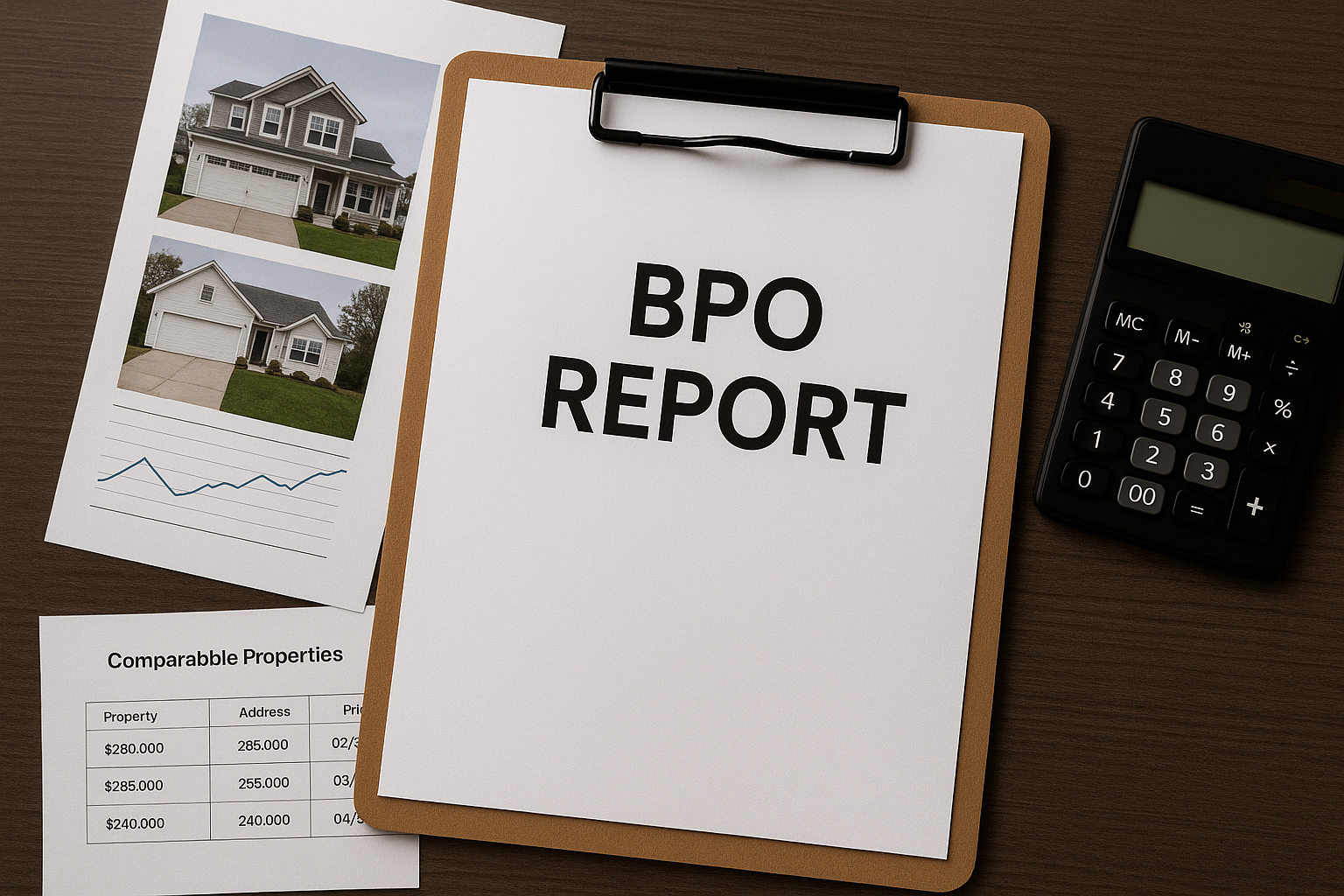
Why BPOs Can Make or Break Your Short Sale Approval
Lender valuations are the most critical part of the short sale process—and listing agents have more control than they realize. Learn how to influence the BPO and get your deal approved.
If there’s one part of the short sale process that has the power to move your deal forward—or sink it entirely—it’s the lender’s valuation.
Related topic hub: BPO and Short Sale Pricing. It covers high BPOs, counteroffers, valuation disputes, offer strategy, and pricing problems.
Whether it’s a Broker Price Opinion (BPO) or a full appraisal, this step determines how the bank views the home’s worth, and more importantly, what they’re willing to accept to release the lien. And while many homeowners and agents assume this part is out of their control, that couldn’t be further from the truth.
Why the Valuation Matters So Much
The bank’s entire decision to approve or reject your short sale hinges on one thing: net proceeds. And how do they calculate what’s acceptable? By comparing your offer to what their assigned agent or appraiser says the property is worth.
If that valuation comes in close to your offer, your deal has a solid shot. If the value comes in too high, expect a rejection—or worse, a counter that scares off your buyer.
So what can you do? A lot more than you might think.BPOs vs. Appraisals: What’s the Difference?
Short sales typically involve one of two valuation methods:
• BPO (Broker Price Opinion): Completed by a local real estate agent chosen by the lender.
• Appraisal: Ordered by the lender and conducted by a licensed appraiser.
The good news? BPOs are easier to challenge if the number comes in too high. If you believe the valuation is off, you can submit comps, condition reports, and market data—and the bank may accept a revised opinion or order a second BPO.
Appraisals, on the other hand, are harder to dispute. Most lenders simply go back to the original appraiser to confirm their comps. Even if you spot glaring issues, you’re unlikely to see a significant change.
That’s why it’s so important to set the stage before the valuation even happens.
The Listing Agent’s Hidden Power
You might not realize it, but the listing agent has a huge role in influencing the lender’s valuation. Here’s how to do it right:
1. Price the Home at Current Market Value
This is not the time to anchor to the original mortgage balance. Banks don’t care what’s owed— they care what the home is worth today. Listing at market value signals to the BPO agent (and the bank) that you’ve done your homework.
2. Get the Strongest Offer You Can
A solid, well-qualified offer close to list price strengthens your case and sets the bar for what the bank might accept. It also adds legitimacy to your valuation argument.
3. Support the Valuation with Evidence
Before the BPO or appraisal visit, provide the evaluator with:
• Recent comparable sales (especially distressed or as-is comps)
• A brief condition report noting repairs or damage
• Market trends (DOM, price reductions, etc.)
• Your logic for the listing price
Make it easy for them to include your narrative in the final report. In most cases, what you show them ends up on the bank’s desk—literally.
How We Help Smooth the Process
At Crisp Short Sales, we coach agents through this exact process on every file. We help identify the right list price, prepare supporting documentation, and even advise on how to talk to the BPO agent during the walk-through.
If the valuation still comes in too high, we know how to build a dispute that actually gets traction. Our goal is simple: get you to the closing table faster—without the headaches or delays.
If you want more short sale approval tips or need a second opinion on your short sale BPO, we’re here to help.
Want help on your next short sale? Reach out and let’s review the file together. We’ll make sure the valuation doesn’t stand in your way.
FAQs
What happens if the BPO value is too high?
The lender will likely reject the current offer or counter too high for the buyer. You may need to dispute the value with better comps or request a second BPO.
Can a short sale be approved if the offer is below the valuation?
Sometimes, yes—especially if other factors like condition or buyer strength come into play. But your chances are far better if the offer is close to or matches the valuation.
How do I challenge an incorrect appraisal or BPO?
Submit a dispute with supporting documentation: updated comps, contractor estimates, photos of needed repairs, and market analysis. BPO disputes are more likely to succeed than appraisals.

Can You Pay Off HOA Debt in a Short Sale?
HOA balances can be a major hurdle in a short sale—but the good news is, they can often be paid at closing. Here’s what to know about lenders, liens, and negotiating with your HOA.
If you’re behind on your HOA dues and facing a short sale, one big question always comes up: Can the HOA be paid off at closing? The answer is yes—often it can. But like most things in the short sale world, it depends on a few key details.
Related topic hub: Liens and Complex Short Sale Files. It covers HOA dues, IRS tax liens, reverse mortgages, FHA and VA rules, and other complex-file risks.
Let’s break down how HOA debt works in a short sale, who pays what, and how to avoid surprises that could derail your closing.
Yes, HOA Debt Can Be Paid Through the Sale
In a short sale, the lender agrees to accept less than what’s owed on the mortgage, and all other debts tied to the property—like HOA balances—must be negotiated as part of the deal.
The good news? HOA debt can usually be paid off through the proceeds of the sale.
But not all mortgages are created equal. Whether your lender will allow HOA balances to be paid depends on who owns your loan and their specific guidelines.
Investor Guidelines Matter (A Lot)
Behind every mortgage is an investor—the actual party that owns your loan—and they set the rules for what expenses can be approved at closing.
Here’s how it usually breaks down:
FHA and VA Loans: These government-backed loans are the strictest. They often limit how much can be paid to an HOA, and in many cases, the relocation incentive offered to the seller is the only approved source of HOA payoff funds. That means if you want the HOA paid, you may need to give up your relocation money to make it happen.
Privately-Owned Mortgages: These loans are more flexible. Private investors tend to care most about their net proceeds, not which party gets paid what. If paying off the HOA helps the deal close and the numbers work, they’ll usually allow it.
The key is to work with someone who knows how to structure the deal and present the right breakdown to the lender.
What If the HOA Balance Is Too High?
Sometimes the HOA debt is more than the lender wants to cover. That’s when negotiation becomes critical.
You have two potential paths:
If There’s a Lien: You’ll need to work with the HOA’s attorney. They’re the gatekeeper when a lien has been filed. Lien payoffs must be cleared before closing, and sometimes these include thousands in legal fees or penalties.
If It’s Just Unpaid Dues (No Lien): Then you’re dealing with the HOA board directly. These are often your neighbors—or at least people in the community—so outcomes can hinge on relationships and personalities. Some boards are understanding and willing to help; others… not so much.
It’s worth noting: HOAs do have the power to reduce or waive fees. While they’re not required to, many are open to it—especially if they know they’ll never recover the full balance otherwise.
A Real-World Tip
If you’re the homeowner, don’t panic if the HOA bill is larger than expected. Late fees, attorney costs, and special assessments can pile up—but you’re not automatically stuck paying them out of pocket.
Work with an experienced short sale processor (like us at Crisp) who can negotiate both with your lender and the HOA to find a resolution. We’ve seen massive balances get cut in half—or even eliminated entirely—when approached the right way.
The Bottom Line
Yes, HOA debt can be paid in a short sale—but success depends on the type of mortgage you have, the investor’s rules, and your processor’s ability to navigate the personalities and policies involved.
At Crisp Short Sales, we’ve helped homeowners close deals even when the HOA balance seemed impossible. If you’re unsure how to proceed, let us help you map it out.
We specialize in achieving short sale approval with HOA debt and can provide short sale help with HOA dues. Learn more about FHA rules for short sale HOA payoffs. For personalized assistance, work with a short sale processor.
FAQ
Can HOA attorney fees be included in a short sale?
Yes, but it depends on your lender’s guidelines. Privately owned loans are more likely to allow this, while FHA and VA loans may limit how much can be paid.
What if the HOA won’t reduce the amount owed?
If the HOA insists on full payment, we can still work with the lender to cover the balance—especially if the numbers work. If not, sometimes the relocation incentive can help bridge the gap.
Do I have to pay the HOA myself before the short sale can close?
Not necessarily. With the right strategy, that debt can often be paid out of the sale proceeds—even if you’re not contributing anything out of pocket.

Can I Still Sell My Home If I’m Behind on Payments?
Falling behind on your mortgage doesn’t mean you’ve lost the ability to sell. In fact, it’s often the reason short sales get approved. Here’s what to know.
Short answer? Yes, absolutely. In fact, being behind on payments is one of the biggest reasons short sales get approved in the first place.
If you’re struggling to make your mortgage payments and wondering whether you still have the option to sell your home, you’re not alone. A lot of homeowners think that missing payments disqualifies them from selling—but when it comes to short sales, that couldn’t be further from the truth.
Let’s clear up a few common misconceptions and walk through what really matters in these situations.
Falling Behind Signals Financial Hardship—And That’s the Point
Many homeowners think that in order to look responsible or show “good faith,” they need to keep paying their mortgage throughout the short sale process. But here’s the thing:
The bank isn’t looking for responsible. They’re looking for distressed.
Short sales are designed to help homeowners who are underwater and cannot afford to keep paying. If you’re current on your mortgage, the lender may question whether you truly need assistance. But if you’ve missed payments and can show a legitimate hardship—job loss, divorce, medical bills, relocation—you’re actually a much stronger candidate for approval.
So no, you don’t need to drain your savings to keep making payments just to try and “look good.” That won’t help your case—in fact, it might hurt it.
What About HOA Dues and Property Taxes?
Another common concern is falling behind on HOA fees or property taxes. But good news: you don’t need to panic about those either.
When we help facilitate a short sale, we typically negotiate those debts into the transaction, meaning the bank may agree to pay off back dues at closing. That includes:
• Past-due HOA balances (even with late fees or attorney costs)
• Unpaid property taxes
• Municipal liens or nuisance violations
This is one of the big advantages of working with an experienced short sale processor—we know how to structure the deal to clear all those obstacles so you walk away clean.
But Keep the Lights On, Please
While you don’t need to keep up with mortgage or HOA payments, there’s one area where staying current does matter: your utilities.
Keeping the power, water, and gas on helps ensure:
• The home is ready for showings and inspections
• Buyers don’t get spooked by disconnected services
• You avoid surprise liens from utility companies at closing
If utilities are shut off, it can delay the process—or worse, kill the deal entirely. So if possible, keep those services active until we close.
Selling While Behind Is Common—And Doable
Falling behind on mortgage payments can feel overwhelming, but it doesn’t mean you’re out of options. In fact, that’s usually the moment when a short sale makes the most sense.
You don’t need to be ashamed or afraid to ask for help. This is exactly what short sales are for—and we’re here to guide you through it every step of the way.
If you’re already behind on payments and considering a short sale, let’s talk. We’ll help you understand your options, navigate the process, and get to the closing table with as little stress as possible.
Learn more about your options: short sale options for homeowners in distress, help selling house with late mortgage, short sale while behind on mortgage, or work with a trusted short sale processor.
FAQs
Can I start a short sale even if I’ve missed several mortgage payments?
Yes. Being behind on your mortgage often strengthens your short sale case, as it shows the lender you’re truly experiencing financial hardship.
Do I have to catch up on HOA fees and taxes before I can sell?
No. In most cases, those debts can be paid at closing as part of the short sale. We negotiate those into the deal for you.
Should I still pay utilities during a short sale?
Yes. Keeping the utilities on helps the sale process go smoothly and avoids extra costs or liens.

Top 5 Short Sale Myths Homeowners Still Believe
Short sales are misunderstood—and costly myths are everywhere. Here are 5 of the most common ones homeowners believe, and what you actually need to know.
Top 5 Myths Homeowners Believe About Short Sales
And why they might be costing you money, time, and peace of mind
If you’re underwater on your mortgage and exploring options, you’ve probably heard of a short sale. But there’s a lot of misinformation floating around—especially online and even from well-meaning friends or agents who haven’t done one in a while.
At Crisp Short Sales, we hear the same myths again and again. Let’s set the record straight and make sure you have the facts before deciding what’s best for your situation.
Myth #1: "Short sales are fast—it’s right there in the name!"
We wish. Despite the name, there’s nothing "short" about the timeline. A short sale refers to the lender agreeing to take a short payoff, not a speedy process.
In reality, short sales often take 60–90 days (or longer) to get approved. Why? Because they involve:
• Submitting a full hardship package
• Bank review and BPO valuation
• Negotiations between lienholders, agents, and buyers
• Multiple signoffs, escalations, and paperwork
The good news? With an experienced short sale processor, a lot of that burden is taken off your shoulders—and approvals can happen faster.
Myth #2: "I need to list my home at the full payoff amount."
Actually, you should list your home at its current market value, even if that’s well below what’s owed. Listing at your loan balance doesn’t help—it usually just scares away buyers.
The goal of a short sale is to attract strong offers that reflect real market demand. From there, the lender reviews everything and decides whether to accept the short payoff.
Pricing too high just delays the process and hurts your chances.
Myth #3: "I’ll be stuck paying commissions and closing costs."
Nope. In nearly every short sale we process, the lender pays the agent commissions and seller closing costs—not the homeowner.
An experienced short sale professional will structure the deal to make sure you pay nothing out of pocket. That includes:
• Agent commissions
• Attorney/title fees
• Transfer taxes
• Settlement charges
If anyone tells you otherwise, it’s time to bring in someone who knows what they’re doing.
Myth #4: "There’s nothing in it for me."
This one’s especially painful because it’s just not true. A successful short sale can:
✅ Protect your credit from the damage of foreclosure
✅ Relieve financial and emotional stress
✅ Let you move on with your life
✅ Even get you relocation assistance (cash at closing), if you qualify
If you’re living in the property and meet the criteria, we’ve helped many homeowners receive $3,000–$10,000 in relocation funds at closing. It’s the lender’s way of incentivizing cooperation and helping you land on your feet.
Myth #5: "Short sale or foreclosure—it’s the same to my credit."
Not even close. While both impact your credit, a short sale is far less damaging than a foreclosure.
A foreclosure stays on your record longer, and signals a total failure to resolve the debt. A short sale, on the other hand, shows you took action to resolve things responsibly.
Plus, many homeowners can buy again in as little as 2–3 years after a short sale, compa
Final Thoughts
Short sales aren’t simple—but they’re often the smartest path forward if you’re upside-down on your mortgage. The key is working with someone who knows the ins and outs, can handle the paperwork, and keeps you informed every step of the way.
If you’re facing foreclosure or struggling to make payments, let’s talk. We’ll help you understand your options and take the next step—with clarity and confidence.
FAQ
How long does a short sale take to get approved?
Typically 60–90 days, depending on the lender, buyer, and number of liens.
Will I owe money after the short sale?
Most lenders waive the deficiency if the process is handled correctly. We’ll help you secure a full release.
Do I need to be behind on payments to qualify?
Not necessarily. What matters most is financial hardship and the fact that the home is underwater.
To learn more, explore our short sale closing service, relocation assistance for short sales, and discover how to avoid foreclosure with a short sale. Get help with your short sale today!To learn more, explore our short sale closing service, relocation assistance for short sales, and discover how to avoid foreclosure with a short sale. Get help with your short sale today! avoid foreclosure with a short sale. Get help with your short sale today!

How to Short Sale a House That's Already Vacant
Can you short sale a vacant house? Absolutely. In fact, being vacant can actually help your case. Here’s how to use that to your advantage and get the bank to say yes.
If you’ve already moved out of your house—or never lived in it to begin with—and you’re staring down the barrel of foreclosure, here’s some good news: yes, you can absolutely short sale a vacant property. In fact, sometimes being vacant can actually help your case.
At Crisp Short Sales, we help homeowners and agents navigate these types of situations every day. Vacant properties aren’t disqualifiers; they’re just part of the story we tell to the lender. Let’s walk through exactly how it works.
Step 1: Prove Your Hardship—Vacancy Helps
• You’re no longer using the property, but you’re still stuck paying for it.
• Empty homes can become targets for vandalism, squatters, or code violations.
• Carrying costs (taxes, insurance, utilities) become an unnecessary burden.
So yes—vacancy is not just acceptable, it’s often compelling.
Step 2: Don’t Fix It Up—Keep It “As Is”
One of the most common questions we get from homeowners is:
“Should I fix it up before the short sale?”
Nope.
This is not like a regular sale where you’re trying to impress buyers. In a short sale, the buyer is usually an investor or someone looking for a deal, and the bank just wants to recover some of their money—not top dollar.
In fact, the condition of the home plays a huge role in the appraised value, and that’s where your focus should be.
Step 3: Control the Appraisal—Don’t Over-Prepare
• Leave the home as-is. Don’t paint, stage, clean, or upgrade.
• Avoid fresh landscaping or curb appeal improvements.
• Make sure the appraiser sees the true condition. If there’s mold, leaks, or damage, don’t hide it—point it out.
A lower appraisal = lower minimum net the bank requires = higher chance of approval.
Step 4: Secure the Property, But Don’t Overdo It
Banks want to see the property is safe, not staged. So while you don’t need to beautify anything, it does help to:
• Board up broken windows
• Lock doors
• Remove obvious hazards (like exposed wiring or falling ceilings)
This shows the property is not a liability and can be sold “as is” to the right buyer.
Step 5: Let Us Handle the Rest
Once the home is listed and a buyer is on board, we take it from there. Our team works directly with the lender to package your hardship, negotiate with the bank, and get the deal to the closing table.
And remember, there’s no cost to you at any point—we’re only paid by the buyer at closing.
Whether your house is sitting empty in Georgia, Florida, or anywhere else, we can help.
Need Help With a Vacant Home?
If you’re sitting on a vacant house and falling behind on payments, reach out now. We’ll help you get out from under the mortgage—and possibly even negotiate a relocation Start Your Short Sale NowNohttps://www.crispshortsales.com/start-short-sal
eFAQ
Can I short sale a property that I inherited and never lived in?
Yes. Inherited properties are often vacant, and that’s completely fine. You’ll still need to show hardship (like estate expenses or unpaid taxes), but the fact that the home is empty won’t hurt your chances.
Does the condition of the vacant home affect the short sale?
Yes—and that’s a good thing. The more “fixer upper” the home appears, the lower the appraised value, which makes your short sale more likely to get approved.
Do I need to clean the house out before the sale?
Nope! In fact, most buyers of short sales expect some level of clean-out. You don’t have to do anything except secure it and provide access for valuation and showings./
What Is Relocation Assistance in a Short Sale?
Selling short doesn’t mean you leave empty-handed. Here’s how relocation assistance at closing can put real cash in your pocket.
What Is Relocation Assistance in a Short Sale?
Many homeowners assume a short sale means walking away with nothing. In reality, you may qualify for relocation assistance—cash paid at closing to help with moving costs.
Related topic hub: Short Sale Relocation Assistance. It covers eligibility, incentive programs, foreclosure timing, and how to ask before approval terms are final.
💸 What Counts as “Relocation Assistance”?
Relocation assistance is money a lender pays after a successful short sale to reward a cooperative homeowner. It is not foreclosure cash-for-keys—it’s a negotiated benefit.
👋 Typical Payout Ranges
| Loan / Investor | Common Range |
|---|---|
| FHA | $3,000 |
| Fannie Mae / Freddie Mac | $3,000 – $7,500 |
| Private Conventional | $0 – $10,000 |
| VA | $1,500 |
💼 Who Qualifies?
- Owner-occupied property at time of offer
- No major damage or outside liens
- Full cooperation with showings & docs
- On-time move-out
🧾 How Is It Paid?
Payout happens at closing via check or wire. Unpaid HOA or utility balances are deducted first.
🎯 Tips to Maximize Your Payout
- Request the highest amount on day one.
- Keep the home clean and accessible.
- Respond to lender requests within 24 hours.
- Use an experienced short sale team.
✅ Bottom Line
Relocation assistance can put $3,000–$10,000 in your pocket. Start your short sale or learn how we streamline short sales today.

Short Sale vs. Foreclosure vs. Deed‑in‑Lieu: A 2025 Guide
Short Sale vs Foreclosure vs Deed‑in‑Lieu in 2025
Introduction
If you owe more on your mortgage than your home is worth, you might feel trapped. Should you list the property and hope the bank accepts a loss? Walk away and let it go to auction? Hand the deed back to the lender? Each of these options comes with real consequences for your credit, your finances and your future buying power. As Crisp Short Sales experts, we’ve processed thousands of distressed dealscrispshortsales.com. Here’s a simple, 2025‑focused breakdown so you can decide which path best fits your goals.
Three Paths Explained
Short Sale
A short sale lets you sell the home for less than what you owe with the bank’s blessing. It takes cooperation and paperwork, but it offers real benefits:
Better credit outcome – lenders report the account as settled instead of foreclosed, so you may qualify for a new mortgage in as little as two years.
You stay in control – choose the buyer, closing date and move‑out terms.
Relocation assistance – many programs pay $3,000–$10,000 at closing to help you move.
Less stigma – there’s no public auction or sheriff’s sale.
Short sales do require a complete package: financial statements, a hardship letter and a purchase offer. An experienced negotiator can speed approval and maximize your incentive.
Foreclosure
If you stop paying and do nothing, your lender will eventually foreclose. That might seem easier, but it’s the most punishing option:
Severe credit damage – a foreclosure stays on your report for seven years and can drop your score 100–160 points.
Zero control – the bank chooses the sale date and you must leave when told.
No cash – you get no relocation assistance and may even face a deficiency judgmentcrispshortsales.com if the sale doesn’t cover your debt.
The only benefit to foreclosure is that it requires no cooperation from you. Everything else – from your ability to buy or rent to your sense of dignity – suffers.
Deed‑in‑Lieu
A deed‑in‑lieu of foreclosure is a negotiated surrender. You sign the deed over directly to the lender instead of going through court. It’s less public than a foreclosure and sometimes includes a small incentive. However:
Credit impact is the same – credit bureaus treat a DIL exactly like a foreclosure.
Limited leverage – you don’t get to shop for a buyer or negotiate a price.
Minor relief – you may set the move‑out date and avoid an auction, but you still lose the home and any equity.
DILs can make sense when the property is damaged or there are no buyers, but they should be a last resort before foreclosure.
How Each Choice Affects Your Future
Credit & Buying Power
After a successful short sale, most homeowners can qualify for a mortgage again within two years. With a foreclosure or deed‑in‑lieu, you’ll wait at least five to seven years before lenders will work with you. That gap matters if you plan to buy another home or even rent; many landlords check for foreclosures.
Relocation Incentives & Control
Short sales often come with relocation assistance and let you control your timeline. Deed‑in‑lieu agreements sometimes include a modest incentive but not always. Foreclosures offer nothing. The ability to pick a buyer and closing date also affects how smoothly your move goes; only a short sale provides that flexibility.
Emotional & Legal Stress
Foreclosure involves court proceedings, sheriff notices and forced move‑outs. A DIL avoids some of the courtroom drama but is still a surrender. A short sale is handled like a regular listing. You maintain privacy and avoid the emotional toll of watching your home sell at auction.
Which Option Should You Choose?
If your goal is to protect your credit, stay in control and move on quickly, a short sale is usually the best path. It does require some paperwork and patience, but the payoff is a faster recovery and potential cash at closing.
A deed‑in‑lieu can be a fallback when the property is in very poor condition or there’s simply no buyer. Just remember the credit impact mirrors a foreclosure.
We almost never recommend letting a foreclosure run its course. The long‑term damage outweighs the short‑term convenience.
How We Streamline Your Short Sale
At Crisp Short Sales we handle every step for you. We prepare your complete file, submit it to the lender and follow up weekly. Our negotiators know each bank’s guidelines and when to push for better terms. To see how we streamline short sales, visit our process page. Curious about the clients we help? Check out examples from homeowners, agents and investors across the country. If you’re ready to act now, start your short sale and schedule a free consultation. Our short‑sale specialists at Crisp Short Sales experts are here to answer your questions and guide you from listing to closing.
Conclusion
Market downturns, job loss and life events can leave anyone underwater. When that happens, you have choices. A well‑executed short sale protects your credit, puts you in the driver’s seat and even puts money back in your pocket. A deed‑in‑lieu should only be used when there’s truly no buyer or the home is unlivable. Foreclosure, while simple, is the most damaging.
The good news: you don’t have to navigate this alone. Reach out today, and let’s figure out the right path for you.

Can You Short Sale a Home with a HELOC or Second Mortgage?
You can short sale a home even with a HELOC or second mortgage. Here’s what it takes to get all lienholders on board and close the deal.
If you’re dealing with a short sale and there’s more than one loan on the property—like a HELOC or second mortgage—you’re probably wondering: Can this even work?
Good news: yes, you can short sale a property with secondary liens on title. But there’s a catch (actually, a few). These deals are absolutely doable—but only if you understand the priorities, payoffs, and pitfalls.
Let’s break it down 👇
⸻
💡 First: Understand Which Loan Is “Short”
When a seller owes more than the home is worth, we call it underwater. But sometimes only one of the loans is actually underwater.
So here’s the first step:
• If there’s enough equity to pay the first mortgage off in full (after commissions and closing costs):
Then it’s not a short sale for the 1st. You’ll only need approval from the secondary lien holders (like a HELOC or 2nd mortgage).
• If there’s not enough to even pay off the 1st mortgage in full:
Then it’s a true short sale across the board—and all lien holders need to agree to reduced payoffs.
In either case, these deals require tight coordination. And if you’ve ever tried negotiating with a junior lienholder… you already know it can be slow, stubborn, and all kinds of messy.
⸻
🏦 How 2nd Mortgages Are Handled in a Short Sale
When the 1st mortgage is short, the 2nd typically becomes the lowest priority. That means they often get a nominal payoff—just enough to agree to release their lien.
📌 Typical payoffs for 2nd liens in a short sale:
• $3,000–$6,000 (most common range)
• Sometimes up to 10% of the loan balance
• Rarely the full amount (unless required, like with FHA partial claims)
But here’s the trick: if the 2nd mortgage refuses that amount, someone has to cover the gap—either the buyer, the seller, or an outside party (sometimes even a realtor or investor).
⸻
🧩 The Right Sequence: First Then Second
You don’t start by calling all the lienholders at once. There’s a method to the madness.
1. Begin with the 1st mortgage:
Get their short sale approval or estimated net sheet. This will outline how much they’re willing to pay toward any junior liens.
2. Then go to the 2nd lienholder:
With the 1st’s approval in hand, you show them the deal: Here’s what the 1st is allowing for your payoff. Are you in or out?
This sequence saves everyone time—and avoids promising payoffs the first won’t approve.
👉 Want help coordinating this? See how we streamline short sales and take the pressure off your plate.
⸻
🛑 Special Case: FHA Loans with HUD Partial Claims
If the loan is an FHA mortgage, there’s an entirely different rulebook. The second lien is often a HUD partial claim—essentially a silent 2nd held by the government.
In these cases:
• HUD requires the partial claim to be paid in full
• The 1st mortgage takes the full loss
• There’s no negotiation with the partial claim—it’s non-negotiable
That’s a key detail most agents and investors miss. If you’re unsure whether it’s FHA, check the loan type early or ask a short sale expert (that’s us 😉).
⸻
🧠 Final Thoughts: Multi-Lien Short Sales Take Precision
Short selling a property with a 2nd mortgage, HELOC, or judgment lien isn’t impossible—but it is a delicate process. Each lienholder has to agree. Each one has different guidelines. And the wrong step can kill your deal.
That’s where the Crisp Short Sales experts come in. We know how to structure these files, submit clean packages, and push approvals through—without drama.
Whether you’re an agent, homeowner, or investor, don’t let a second mortgage stall your deal. If you need backup, check out who we serve or start your short sale here. We’ll help you figure it out.
⸻
Thanks for reading,
Yoni Kutler
404-300-9526
yoni.kutler@ygkutler.com

Can You Sell an Inherited Property as a Short Sale?
Yes, you can short sale an inherited property—if it’s underwater and you’ve completed probate. Here’s what lenders look for and how to get started.
When a loved one passes away and leaves behind a home with a mortgage, the situation can get complicated—fast. If the property is worth less than what’s owed, heirs are often left wondering: Can I short sale an inherited property?
The answer is yes—but there are a few key conditions and steps to understand. Let’s break it down in plain English.
---
What Is a Short Sale—and When Does It Apply to Inherited Homes?
A short sale happens when a home is sold for less than the remaining mortgage balance, and the lender agrees to accept that lower amount to release the lien. It’s a common option when the home is underwater—meaning it’s worth less than the debt attached to it.
In inherited property situations, this often occurs when:
• The deceased owner refinanced heavily or had a reverse mortgage
• The home fell into disrepair
• The market value has dropped since the loan was originated
If the home’s current market value is lower than the total owed (including first mortgage and any other liens), a short sale can be a smart, clean exit—especially when you don’t want to keep the property.
---
Do You Need to Complete Probate First?
Yes. Probate must be completed before a lender will even look at a short sale offer. The lender needs to know who has legal authority to sell the home and sign off on the transaction.
Here’s what most lenders will ask for:
• A certified death certificate
• Proof that probate is complete, or Letters Testamentary showing you’re the legal executor or administrator
• A copy of the will (if available) or other legal documentation proving heirship
Until probate is resolved, you technically don’t have the right to sell the property—even if the bank is pressuring for resolution.
---
Why Inheritance Qualifies as a Verifiable Hardship
One of the pillars of short sale approval is proving that the seller has a legitimate hardship. The death of the original borrower (your family member) absolutely qualifies as one. In fact, it’s one of the most clear-cut examples of a hardship lenders recognize.
That hardship letter writes itself:
• You didn’t take out the mortgage
• You don’t have the financial ability to maintain the home or make payments
• You’re trying to avoid foreclosure and resolve the debt responsibly
Combine that with an underwater valuation, and you’ve got a strong short sale case.
---
What Else Matters?
Besides the value and the hardship, lenders will look at:
• Other debts or liens on the property (HOA, taxes, second mortgages)
• Whether the home is occupied or vacant
• Whether it’s listed with a licensed real estate agent and priced appropriately
• Whether you’ve submitted a complete short sale package
If there are multiple heirs, they’ll all need to sign the sales agreement and lender paperwork. Disagreements between heirs can delay—or derail—the process entirely.
---
How to Start a Short Sale on an Inherited Home
If you’re in this situation, here’s a quick roadmap:
1. Complete probate and obtain legal authority to act on the estate
2. Determine the home’s market value—get a CMA or BPO
3. Calculate total debts/liens against the home
4. Hire an experienced agent (preferably one who’s done short sales)
5. Work with a short-sale specialist to handle lender negotiations
We help people start a short sale on inherited homes all the time. Our process is fast, friendly, and takes the stress off your shoulders—especially when you’re dealing with grief and uncertainty.
---
Final Thoughts
Selling an inherited property via short sale might not have been your plan—but if the home is underwater, it can be a smart solution to prevent foreclosure and clear debt.
With the right paperwork, a clear hardship, and a good short sale processor, you can get through it with minimal stress and a clean slate.
Need help navigating the short sale process? Learn more about how we streamline short sales and support families in tough situations. Or reach out to see who we serve and whether we’re a fit
If you’re not sure where to begin, start your short sale with a free consultation. Learn more abou prot our short sale services or see the clients we help every day. If you’re new here, our short sale specialists are always ready to chat..

How to Convince a Bank to Postpone Foreclosure for a Short Sale
When you're facing foreclosure, the clock is ticking—and fast. But if there's a serious buyer on the table and a legitimate hardship, you can often get the bank to hit pause. The key? Submitting a clean, complete short sale package and knowing exactly how to ask for the postponement.
Start With a Complete Package—Not Just a Plea
Before you even think about asking the bank to delay a foreclosure, make sure you've submitted a full short sale package. That means:
• A signed purchase offer
• The seller’s short sale application
• All required financials and supporting hardship documents
Want to see exactly what needs to be included? Check out our short‑sale process guide.
Make the Ask—Twice
Once your full package is in, call the lender and follow up in writing. Be polite but firm. And don’t be afraid to escalate to a supervisor.
Lead With the Hardship
This is where you humanize the file. Share the seller’s story. Keep it brief but heartfelt—it makes a difference.
Work With the Foreclosure Attorney
Contact the foreclosure attorney directly to confirm they’ve been notified. Don’t assume the lender will pass along the message in time.
FHA and VA Loans? Use the Investor Angle
If it's an FHA or VA loan, elevate to the investor directly for help pushing through a postponement.
Wrap‑Up: Your Foreclosure Delay Checklist
• Submit a full short sale package
• Call and request a delay
• Follow up in writing
• Escalate if needed
• Highlight the hardship
• Coordinate with the foreclosure attorney
• Reach out to FHA/VA if applicable
Need help now? Start your short sale today—we’ll make it easy. And if you’re curious about who we serve, take a look at the clients we help. We work with homeowners, agents and investors across Georgia and beyond.
How to Avoid Deficiency Judgments After a Short Sale
A short sale can be a smart move — but only if the lender waives the remaining debt. Here’s how to make sure you’re protected.
❔What Is a Deficiency Judgment?
In a short sale, your lender agrees to let you sell the home for less than what you owe. That difference — between what you owed and what the home sold for — is called the deficiency.
In some states, lenders can come after you for that deficiency after the sale closes. That’s what’s called a deficiency judgment — a court order saying you still owe the unpaid balance.
Example:
If you owe $300,000 on your mortgage and your short sale is approved for $250,000, the deficiency is $50,000. If the lender doesn’t waive that amount, they could legally pursue you for it.
✅ Most of the Time, It Is Waived
Here’s the good news: In the vast majority of short sales we handle, the lender explicitly waives the deficiency. It’s right there in the approval letter — something like:
"Lender agrees to release the borrower from any further obligation on the remaining balance."
🚨 Watch Out: Sometimes It’s Not Clear
Some approval letters are vague. They might say something like:
“This short sale is approved, and the lender reserves the right to pursue remaining balances.”
If it’s not clearly waived, you can and should go back to the lender and ask for clarification — in writing.
Pro tip:
Always review the approval letter with someone who knows what to look for — ideally your agent, attorney, or short sale negotiator.
✋ Sellers Don’t Have to Accept Bad Terms
Just because the bank approves the short sale doesn’t mean you’re locked in. You’re not obligated to accept an approval letter that doesn’t protect you.
If the terms include:
A vague deficiency clause
A demand for a promissory note
Cash contributions you can’t afford
…you have every right to say no. You can counter, renegotiate, or even walk away. No one can force you to sell if the deal doesn’t benefit you.
🗑️ Promissory Notes: What You Should Know
Sometimes a lender will approve the short sale but ask the seller to sign a promissory note for part of the deficiency.
Here’s the catch:
These are often unsecured — meaning they’re not tied to any property or assets, and there’s no collateral behind them. They’re basically an “IOU.”
That might sound scary, but in many cases, they’re non-recourse — meaning the lender can’t garnish your wages or seize assets if you don’t pay.
Still, don’t sign anything blindly. If you’re asked to sign a note, talk to someone (like us) who’s seen hundreds of these and can help you weigh your options.
🛡️ How We Help Sellers Protect Themselves
At Crisp Short Sales, we review every approval letter carefully to make sure the seller isn’t left exposed. We’ve seen thousands of these — we know how different banks word things, when to push back, and how to get that clean release language that makes sure your short sale is a true fresh start.
💭 Final Thought
A short sale can be the smartest way out of a tough financial spot — but only if you do it right. That means making sure the lender fully forgives the unpaid balance and that you’re not left holding the bag months or years down the road.
If you or a client are navigating a short sale, let’s make sure it closes clean, clear, and final.
📞 Call Yoni at 404‑300‑9526 or
📧 Email yoni.kutler@ygkutler.com — we’re happy to help.