


The Secret Life of a Short Sale File: What Really Happens Behind the Scenes
Ever wondered what’s really happening behind the curtain after you submit a short sale package? To most agents and homeowners, the process looks like a black box — you send in documents, wait, and eventually (hopefully) hear back with an approval.
But behind that calm surface is a chaotic symphony of valuation disputes, investor escalations, and daily back-and-forth communication that decides whether a deal lives or dies.
At Crisp Short Sales, we live inside that chaos every day — and it’s time to pull back the curtain.
Stage 1: Intake & Initial Setup
When a short sale file comes in, the first few days are critical. Every lender has its own checklist, login portal, and document naming conventions. Miss one signature, and the file can stall before it ever gets reviewed.
At Crisp, we start by verifying every document line-by-line — borrower authorization, financials, hardship letter, and purchase contract — before uploading anything. Once the package is complete, it enters the lender’s system and gets assigned to the first-level processor.
This stage is about creating order from chaos — and it’s where 80% of delays are prevented before they happen.
Stage 2: Valuation & BPO Dispute
Next comes the broker price opinion (BPO). The lender sends an agent to estimate market value. That number becomes the foundation of the entire negotiation — too high, and the deal collapses.
If the BPO comes in above reality (and it often does), we step in fast. We’ll pull comps, repair estimates, and neighborhood data to make our case for a corrected value. This isn’t just paperwork — it’s strategy. A strong BPO dispute letter can mean the difference between an accepted offer and a foreclosure.
Stage 3: Lender Review & File Transfer
Once valuation is settled, the lender’s processor escalates the file to the negotiator — the gatekeeper who controls approvals. But here’s what most people don’t realize: that negotiator may be managing hundreds of files across multiple investors.
Each investor (Fannie Mae, Freddie Mac, FHA, VA, or private portfolios) has its own rules. Sometimes the file even transfers to a new department or servicer mid-stream — meaning we have to re-upload the entire package and start again.
It’s like changing airplanes mid-flight while trying to keep everyone calm.
Stage 4: Investor Review & Approval
Once the negotiator gives preliminary approval, the file moves to the investor — the actual decision-maker. The investor checks whether the proposed payoff fits their net-proceeds formula (FHA = 88%, VA = 84.05%, etc.), verifies the BPO, and reviews the hardship.
If something doesn’t line up, they send it back with comments — and the file begins another internal loop. A good negotiator knows how to time follow-ups and escalate when needed without irritating the investor’s team.
That’s where experience matters most: knowing which questions are “stall tactics” versus real requests.
Stage 5: Approval, Closing, & Post-Sale
Once final approval lands, we verify every term — closing date, net proceeds, deficiency language, and relocation assistance. Even one wrong line can cause last-minute funding issues or title problems.
From there, it’s all about coordination. Title prepares the HUD, the lender re-reviews, and the file must close exactly within the approval window — often 5 to 10 business days.
When it closes, it’s a win that’s been weeks (or months) in the making — the result of patience, communication, and persistence across dozens of moving parts.
The Takeaway
To an outsider, short sales look unpredictable and mysterious. But once you’ve lived inside a file — day after day, lender after lender — you see the pattern. Every successful short sale is built on systems: documentation accuracy, communication timing, and proactive escalation.
That’s the hidden machinery of a short sale file — and it’s what allows us to close deals others give up on.
If you’re an agent or investor handling short sales, and you’d rather spend your time selling instead of chasing lenders, Crisp Short Sales is your behind-the-scenes partner.
For more on how we can help, check out our pages on How We Help, Who We Serve, and if you’re ready to get started, Start a Short Sale.

California Short Sales Are Coming Back: 2025 Signals
California’s Homeowners Are Feeling the Rate Reset
California agents are seeing short sale pressure show up again, especially where affordability, payment shock, and thin equity collide. The key is catching the 2025 signals early, before the seller loses time and the listing becomes a foreclosure scramble. After years of ultra-low interest rates, thousands of California homeowners are now facing payment shocks as adjustable-rate loans reset. Many of these loans were refinanced or modified during COVID-era forbearances. As those modified rates expire, borrowers are seeing jumps of $800–$1,500 per month, especially in high-cost counties like Los Angeles, Orange, and the Bay Area. Combine that with inflation, insurance hikes, and higher property taxes, and suddenly, selling the home for full payoff isn’t an option. That’s where short sales return to the spotlight — as a controlled exit before foreclosure.
Fast Answer: California Short Sale Comeback
California short sales are coming back in pockets where homeowners have hardship, low equity, high payments, or liens that make a normal sale difficult. It is not the same as the last foreclosure crisis, but agents should watch for listings where the payoff is higher than the real net proceeds.
What California Agents Should Watch
- Run a realistic seller net sheet before assuming a price cut will solve the issue.
- Ask about missed payments, hardship, liens, taxes, and HOA balances early.
- Start the short sale conversation before foreclosure notices create hard deadlines.
Property Values Are Flat, But Debt Levels A
California home prices remain high, but growth has stalled. In many counties, values are down 5–10% from their 2022 peaks, yet mortgage balances haven’t budged. This means more owners now owe close to, or more than, their home’s value — especially if they pulled out cash through a HELOC or second mortgage during the boom. When those owners need or want to sell, but can’t bring funds to closing, agents are once again facing the same challenge they did a decade ago: “What do we do when the numbers don’t work?” A short sale solves that — but only if handled by someone who knows how to navigate today’s lender landscape.
Foreclosures Are Up, But Banks Still Prefer Alternatives
Even with California’s Homeowner Bill of Rights and a slower foreclosure process, foreclosure filings have increased 24% statewide since 2023. Still, most lenders would rather avoid foreclosure if a short sale is viable. It’s faster, less costly, and protects them from vacant property losses. That’s why lenders are once again staffing up their loss mitigation departments and re-opening short sale review channels that had been dormant for years. Agents who understand this shift — and have relationships with experienced short sale processors — can turn distressed listings into successful closings.
California’s Unique Laws Still Shape Every Deal
California remains one of the most short sale‑friendly states thanks to SB 458 and anti‑deficiency protections. Once a lender approves a short sale, the homeowner is protected from future collection on the forgiven debt. This is huge for sellers who are underwater but want a clean financial slate. However, agents should still watch for: junior lien releases that exclude deficiency waivers; HOA or judgment liens requiring negotiation; and tax implications on forgiven debt (federal relief expired, but some state protections remain). That’s where having a specialist team makes all the difference.
Why California Agents Are Partnering With Short Sale Experts
Short sales require patience, precision, and persistence — and most agents would rather spend their time prospecting and closing deals than dealing with endless lender emails. That’s exactly why California agents are outsourcing the process to Crisp Short Sales. We handle everything: lender communication and document submission; valuation disputes (BPO and appraisal challenges); HOA, judgment, and junior lien negotiations; weekly status updates to agents and sellers; and coordination with title and escrow through closing. There’s no cost to you or your client — our fee is paid by the buyer at closing. Agents keep full control of their deal and their commission, while we take on the heavy lifting.
A Smarter Way to Close in 2025
As short sales re‑emerge across California, one thing is clear: agents who adapt early will capture the opportunity. Whether you’re seeing your first short sale in years or your tenth this quarter, partnering with a proven short sale team ensures smoother approvals, faster closings, and happier clients. Need help with your short sale listing in California? Start your file today and let’s get it closed — quickly, cleanly, and correctly.
Learn more:

Short Sale BPO Too High? How to Challenge Value
BPO and Short Sale Pricing Hub
Short sale pricing problems usually appear when the bank value, buyer offer, repair evidence, and market reality do not line up. This hub organizes the posts agents need when a BPO comes in high, the bank counters aggressively, or pricing threatens the deal.
Fast Answer: Short Sale BPO Too High
If a short sale BPO is too high, agents should challenge it with recent comparable sales, property-condition evidence, repair estimates, market-time data, and buyer feedback. A value dispute works best when it is specific, organized, and tied to the lender's actual valuation issue rather than a general complaint.
What To Send With a Value Challenge
- Gather closed comps that match condition, location, size, and timing as closely as possible.
- Document repairs with photos, estimates, inspection notes, and contractor detail.
- Submit a concise valuation rebuttal through the short sale negotiator before buyer patience runs out.
- How to Speed Up BPOs and Appraisals in a Short Sale (Before They Kill Your Deal)
- How to Negotiate a Short Sale When the BPO Comes in Too High
- Winning the Value Battle: How to Dispute a Bank’s Short Sale Valuation (and Win)
- BPO vs Appraisal: What Actually Moves The Numbers
- Why BPOs Can Make or Break Your Short Sale Approval
- Why Banks Suddenly Counter at Full Price on Short Sales
- How to Price a Short Sale Listing (Without Killing the Deal)
- Why Investors Love Short Sales: Price, Risk, and Timing
- Why Banks Counter Short Sale Offers That Make No Sense (And What’s Really Going On)
- Multiple Offers on a Short Sale: What Lenders Expect From the Submitted Offer
Get short sale processing help with valuation issues
A short sale BPO that comes in too high can make a perfectly reasonable offer look weak overnight. When bank value is the problem, the goal is to challenge the number with better evidence instead of hoping the lender simply changes its mind.
How Banks Actually Determine Short Sale Value
Every short sale is guided by an investor, such as FHA, VA, Fannie Mae, Freddie Mac, USDA, or a private investor. The servicer may be the name agents recognize, but the investor rules usually control the minimum acceptable net. The first major step is a Broker Price Opinion (BPO) or appraisal, and that number shapes counteroffers, approval terms, and whether a foreclosure clock keeps ticking.
Investor Formulas: The Hidden Math Behind Every Short Sale
Most investors have internal thresholds for how much net they need compared with the property's determined value. FHA, VA, USDA, Fannie Mae, Freddie Mac, and private investors all use different guidelines. When a lender says it cannot approve an offer, the issue is often that the net after commissions, taxes, fees, and concessions falls below that investor's target.
Why So Many BPOs Miss the Mark
BPO agents may have limited time, weak interior access, outdated comparable sales, or incomplete repair information. A roof leak, water damage, foundation issue, or stale listing history can be underweighted if the short sale package does not make the condition obvious. Once the wrong value lands in the file, unwinding it can take weeks.
How To Challenge a Short Sale Value
A strong value dispute should include closed comparable sales, property-condition photos, repair estimates, market-time evidence, buyer feedback, and a short explanation of why the lender's number is too high. Keep it organized and specific. The goal is to make the valuation reviewer comfortable lowering the value without forcing them to hunt for the logic.
The Crisp Advantage
Crisp Short Sales helps agents organize the value story before a bad number derails the closing. When a short sale file needs a cleaner BPO challenge, a stronger offer package, or practical short sale help, a focused negotiator can keep the lender review moving instead of letting the deal drift.

The Hidden Advantage of Short Sales in a Down Market
When the real estate market cools, most agents and investors feel the pinch — fewer listings, tighter lending, slower buyers. But for those who understand the short sale process, a down market isn’t a roadblock; it’s an opening.
When Prices Fall, Short Sales Rise
Every market correction triggers the same chain reaction. As prices dip, equity shrinks — and homeowners who bought or refinanced near the top suddenly find themselves underwater. For many, selling at market value simply won’t cover what they owe.
That’s where short sales come in. Rather than facing foreclosure, these owners work with their lender to sell for less than what’s owed. It’s a win-win when handled correctly: the bank cuts its losses, the homeowner avoids foreclosure, and the buyer picks up a property at a realistic price.
In a softening market, that equation becomes more common — and more profitable for the people who know how to navigate it.
Why Smart Investors Target Short Sales in Slow Markets
For investors, down markets often feel like bad news. Traditional sellers pull listings, lending tightens, and flipping margins shrink.
But short sales can flip that narrative.
Here’s why:
- Motivated Sellers: Homeowners facing hardship are often ready to cooperate quickly to avoid foreclosure.
- Negotiation Room: Lenders want resolution, not endless marketing time. That opens the door for below-market purchases.
- Less Competition: Many investors avoid short sales because they assume they’re complicated — which means fewer offers and better positioning for those who know how to close.
Why Real Estate Agents Should Embrace Short Sales
If you’re an agent, a down market can feel brutal — listings vanish, commissions dip, and buyers hesitate. But short sales give you a fresh inventory stream and a reason for homeowners to pick up the phone.
Agents who specialize in short sales quickly stand out as problem-solvers in their markets. Homeowners facing foreclosure want to work with someone who can explain options, coordinate with lenders, and keep deals alive when others can’t.
Plus, lenders still pay standard commissions — which means agents can keep earning even when market activity slows elsewhere.
The Short Sale Skill Gap = Your Advantage
Short sales can intimidate even experienced professionals. They involve strict timelines, lender guidelines, and piles of paperwork — all of which can derail a deal if handled incorrectly.
That’s exactly why there’s opportunity.
While others shy away, agents and investors who partner with an experienced short sale coordinator can dominate this niche. By outsourcing the negotiation and lender management, they can focus on clients and closings instead of chasing approvals.
What Makes a Short Sale Work in Today’s Market
If you’re evaluating short sales right now, keep these three success factors in mind:
1. Accurate Valuation: The key to approval is a lender value that reflects current market reality — not last year’s inflated comps.
2. Complete Documentation: Missing hardship letters, pay stubs, or listing agreements are deal killers. Get it right upfront.
3. Persistent Communication: Lender timelines are tight, and approvals can expire fast. Staying proactive prevents deals from slipping through the cracks.
The Bottom Line
Down markets aren’t a disaster for everyone. They’re an opportunity for those who understand short sales, see value where others see risk, and have the right team in place.
While others wait for the market to rebound, the smartest agents and investors use this time to build relationships, refine their process, and close deals others can’t.
At Crisp Short Sales, we specialize in helping agents and investors close faster, even when the market slows. Start a Short Sale.

Why Sellers Should Choose a Short Sale Over Foreclosure
When a homeowner falls behind on their mortgage, the looming question becomes: do I let the property go into foreclosure, or do I try a short sale? Learn why a short sale is the smarter choice.
When a homeowner falls behind on their mortgage, the looming question often becomes: Do I let the property go into foreclosure, or do I try a short sale?
On the surface, foreclosure may seem easier—it requires no effort, just waiting for the bank to take the house. But in reality, foreclosure carries serious long-term consequences that many homeowners don’t fully realize until it’s too late. A short sale, on the other hand, provides control, dignity, and the possibility of financial recovery much sooner.
Let’s break down why a short sale is almost always the smarter choice.
Foreclosure Follows You for Years
Foreclosure is one of the harshest credit events a person can experience. It can stay on your credit report for up to seven years and significantly drag down your score, often by 100‑150 points or more. That drop doesn’t just affect future mortgage applications—it ripples into every corner of financial life:
- Higher interest rates on car loans and credit cards.
- Difficulty getting approved for rental housing.
- Job applications in certain industries that involve credit checks.
With a short sale, however, the impact is far lighter. Yes, your credit will take a hit, but most sellers find they’re able to purchase a home again within 2–3 years after a short sale, compared to 7 years or more after foreclosure.
You Stay in Control
Foreclosure is something that happens to you. Once the lender begins the process, the homeowner has very little control over the outcome, the timeline, or the communication.
A short sale flips that script. Sellers stay part of the process, working with their real estate agent (and ideally, a short sale professional like Crisp Short Sales) to:
- Market the home like any other listing.
- Accept offers from real buyers.
- Negotiate terms with the bank.
Instead of being evicted by the sheriff’s office on a set date, sellers know when their closing will happen and can plan their move with dignity.
Possible Relocation Assistance
Here’s a big one that surprises many homeowners: banks often provide relocation assistance payments at closing for short sales. This is money (commonly $3,000–$10,000 depending on investor rules) given directly to the seller to help with moving costs.
Foreclosure? No such luck. In fact, you may end up with additional costs like attorney’s fees or deficiency judgments. With a short sale, the lender may actually pay you to move on.
Protects Your Neighbors & Community
A foreclosure doesn’t just affect the homeowner—it impacts the entire neighborhood. Foreclosed homes often sit vacant, fall into disrepair, or even get vandalized. That drags down property values for surrounding homes and creates stress for the community.
By choosing a short sale, sellers help keep the property occupied, maintained, and sold through a standard real estate transaction. It’s a win‑win: the seller moves forward, and the neighborhood avoids the blight of another boarded‑up foreclosure.
Easier Path to Financial Recovery
One of the overlooked benefits of a short sale is the psychological relief. Foreclosure can feel like a total loss—losing the home, losing control, and having the event follow you for years.
A short sale, however, allows the seller to:
- Work proactively with the lender.
- Avoid the public embarrassment of foreclosure auctions.
- Close the chapter with a clean resolution, knowing the debt has been settled.
That peace of mind is invaluable when rebuilding financially. Sellers often describe short sales as a chance to move on, rather than being stuck under the shadow of foreclosure.
Why Work With a Short Sale Specialist?
Here’s the truth: short sales can be complicated. Every lender has different guidelines, investor rules, and approval requirements. That’s where specialists like Crisp Short Sales come in.
We handle everything behind the scenes:
- Gathering financial documents.
- Communicating with the lender.
- Negotiating with investors, HOAs, and second‑lien holders.
- Ensuring sellers qualify for any available relocation assistance.
Best of all, our service is no cost to the seller or the agent—our fee is paid at closing by the buyer.
The Bottom Line
If you’re facing mortgage trouble, remember this: foreclosure is not your only option. A short sale offers a way out with less damage, more control, and even the possibility of cash to help you transition.
It’s about protecting your future, not just your past.
So if you—or a client of yours—are staring down foreclosure, let’s talk about how a short sale could change the outcome. Crisp Short Sales is here to guide you every step.
How We Help | Who We Serve | Start a Short Sale

How a Short Sale Can Stop Foreclosure (and What to Expect)
When a homeowner falls behind on their mortgage, the word “foreclosure” starts to loom large. Once a foreclosure date is scheduled, it feels like the clock is ticking down with no way to stop it. But here’s the truth: a properly initiated short sale can often **stave off** a foreclosure sale date, buying time and creating a clear path forward.
Foreclosure Urgency Hub
When a foreclosure date is already part of the conversation, the short sale strategy has to move faster and cleaner. This hub groups the strongest posts on foreclosure timing, state-specific pressure, lender postponements, and when a short sale can still create options.
- Short Sale Relocation Assistance Before Foreclosure: Timing Matters
- Can You Negotiate a Short Sale After a Foreclosure Sale Date is Issued?
- Is a Short Sale Better Than Letting the Home Go to Foreclosure in 2026?
- Short Sale vs. Foreclosure Timeline: What Homeowners Don’t Realize Until It’s Too Late
- Foreclosures Are Moving Faster in 2026 — Why Short Sale Timing Matters More Than Ever
- The “Silent Foreclosure” Phase: When Homeowners Don’t Realize Time Is Running Out
- Foreclosures in 2026: Where Short Sales Fit
- Georgia Short Sales: Avoid Foreclosure Earlier
- Utah Foreclosures Rising: When Short Sales Help
- Pennsylvania Foreclosures: When Short Sales Help
Start the short sale process before deadlines tighten
At Crisp Short Sales, I’ve helped hundreds of families avoid foreclosure this way. Let’s break down how the process works, what timelines you’re looking at, the paperwork you’ll need, and how to give yourself the best shot at success.
## How a Short Sale Delays Foreclosure
Banks and servicers are under federal and state guidelines that encourage alternatives to foreclosure whenever possible. Once a short sale application is submitted with a complete package, most lenders will place the foreclosure on hold while they review the file.
Why? Because if there’s a legitimate buyer and the possibility of recovering money through a short sale, the lender would rather pursue that route than gamble at the auction.
This doesn’t mean foreclosure disappears forever—but it **does** mean the sale date is typically postponed, often multiple times, as long as progress is being made on the short sale.
## The Timeline You Can Expect
Every case is different, but here’s a general roadmap of how the short sale timeline usually looks:
- **Day 1–7:** Initial contact with lender, request for short sale application, gather homeowner documents.
- **Day 7–14:** Submission of full short sale package (this is the “magic moment” when foreclosure activity often pauses).
- **Day 14–30:** Lender reviews documents, confirms completeness, and assigns negotiator. Foreclosure date is usually postponed here if it’s close.
- **Day 30–60:** Property valuation ordered (BPO or appraisal). Negotiations begin.
- **Day 60–90:** Counter-offers, approvals, or requests for updated documents.
- **Day 90+:** Approval letter issued if buyer is qualified and terms are acceptable. Closing occurs within 30–45 days after approval.
Bottom line: once the lender has a complete package in hand, foreclosure sale dates can often be postponed for months, giving homeowners the breathing room they desperately need.
## The Paperwork You’ll Need
Here’s the core set of documents lenders usually require for a short sale package:
- **Hardship Letter** – A simple letter from the homeowner explaining why they can’t continue paying.
- **Financial Statement** – Income, expenses, and assets.
- **Bank Statements** – Usually the most recent two months.
- **Pay Stubs or Proof of Income** – Again, typically two months.
- **Tax Returns** – Often the last two years.
- **Listing Agreement** – Showing the property is actively on the market.
- **Purchase Offer & Contract** – From a qualified buyer.
- **Pre-Approval or Proof of Funds** – Verifying the buyer is real and ready.
- **Authorization Form** – Allowing me (or another processor) to communicate with the lender on the homeowner’s behalf.
The key is **completeness**. Incomplete packages cause delays and can cost precious days if foreclosure is already scheduled. Tip
s to Maximize Success
1. **Move Fast:** If a foreclosure date is looming, don’t wait. Even if you don’t have a buyer yet, many lenders will pause foreclosure simply with an application on file.
2. **Stay Updated:** Lenders often ask for updated pay stubs or bank statements every 30 days. Staying ahead of these requests keeps the process moving.
3. **Price Correctly:** A short sale isn’t about guessing high. It’s about pricing where the lender will see value and approve.
4. **Use an Experienced Processor:** I can’t tell you how many files come to me after a failed attempt. Having someone who knows the playbook makes all the difference.
5. **Keep Communicating:** Silence kills deals. Consistent updates to the lender, agent, and seller help avoid stalls. Why It’s Better Than Letting Foreclosure Play Out
Some homeowners think it’s easier to just “let the bank take it.” But foreclosure damages credit far more severely and stays on a credit report for seven years. A short sale, while still a negative, is far less damaging and allows for faster financial recovery.
And importantly: **short sales give control back to the homeowner and agent.** Instead of a rushed courthouse auction, you’re orchestrating a sale with terms that can actually work.
Final Thoughts
A foreclosure sale date doesn’t mean the game is over. A properly handled short sale can **stop the clock** and create a path to closing that benefits everyone—homeowners, agents, buyers, and yes, even lenders.
If you or your client are facing foreclosure, the best move is to act now. Get the paperwork in order, lean on a professional who lives and breathes this process, and give yourself the time needed to make the short sale work.
👍 Learn more about How We Help, , who benefits most from short sales at Who We Serve, or get started today at Start a Short Sale.

How to Spot a Short Sale Listing Before the Words “Short Sale” Appear
When most agents think of short sales, they imagine a listing that’s clearly labeled as such in the MLS. But in reality, by the time “short sale” is officially mentioned, a deal has already become more complicated—and the clock may be ticking.
Savvy agents know you don’t have to wait for those magic words to recognize a potential short sale. By learning the early warning signs, you can prepare your client, price strategically, and bring in the right professional help before surprises derail the transaction.
Let’s break down how to spot a short sale before it’s spelled out—and why that skill can make you the hero in your next deal.
Unrealistic Pricing That Doesn’t Match the Market
One of the earliest indicators of a possible short sale is pricing that just doesn’t add up. If you see a home listed well below market value yet it’s not positioned as a “fixer-upper,” take a closer look.
Sometimes sellers price low out of desperation, or an agent lists aggressively hoping for quick offers. But if the price still seems too good to be true, chances are the seller owes more than the home is worth—and you’re looking at a potential short sale.
Extended Days on Market Without Adjustments
If a property sits on the MLS for weeks (or months) with no price adjustments, that’s another red flag. Why? Because sellers with limited equity often can’t afford to reduce the asking price without dipping into their own pockets.
An agent who understands this dynamic can spot it quickly. Instead of assuming “stubborn seller,” ask whether the mortgage balance is preventing them from making competitive changes.
Signs of Financial Distress From the Seller
You won’t always see the seller’s full situation on paper, but there are clues:
- Past-due property taxes.
- HOA liens recorded against the home.
- Vacant or neglected appearance (the seller can’t afford upkeep).
- Seller disclosures mentioning financial difficulty.
Each of these points to a household under strain—exactly the type of client who may need to pursue a short sale to avoid foreclosure.
Repeated “Back on Market” Notes
Pay attention to listings that go pending and then quickly come back on market—especially more than once. Deals like this often fall apart when the seller’s equity situation comes to light. A buyer’s financing may collapse when they discover the bank’s payoff won’t be covered.
If you see the same listing bounce back multiple times, it’s worth asking the listing agent if there’s a shortfall issue in play.
Seller Resistance to Closing Costs
Another subtle but telling clue: when sellers push back hard against paying closing costs, concessions, or repairs. In many cases, it’s not stubbornness—it’s reality. If they don’t have equity, they literally can’t agree to these costs.
For agents, this is a moment to dig deeper. Instead of viewing the seller as “difficult,” consider whether a short sale is the only viable path forward.
Why Early Recognition Matters for Agents
Catching these signs early isn’t just about being observant—it’s about protecting your client and your reputation. When you recognize the situation before it’s labeled, you can:
- Set realistic expectations with sellers from the beginning.
- Prevent wasted time on deals doomed to fail without lender involvement.
- Position yourself as the trusted guide who sees solutions others miss.
And most importantly—you can bring in a short sale professional early, ensuring the bank process starts immediately and doesn’t derail the closing.
How Crisp Short Sales Helps Agents Stay Ahead
This is where I step in. At Crisp Short Sales, I work exclusively behind the scenes to handle the lender, negotiate approvals, and keep everything on track—while you stay focused on your clients and the sale.
I’ve seen agents burn hours trying to untangle short sale negotiations themselves, only to get nowhere. With me in your corner, you’ll:
- Get files approved faster.
- Avoid lender red tape.
- Protect your reputation with buyers and sellers.
- Close deals that might otherwise fall apart.
So next time you spot one of these red flags, don’t wait for the words “short sale” to appear. Get ahead of the game, save the deal, and keep your client’s trust intact.
Final Thought
Short sales don’t have to be the mystery or nightmare many agents imagine. The earlier you recognize them, the more control you have—and the smoother the process will be.
If you think you’re staring at a hidden short sale right now, let’s connect. I’ll step in, handle the bank, and make sure your hard work doesn’t go to waste.

How Divorce Impacts a Short Sale (and How to Smooth the Process)
/the-short-sale-blog/2025/9/29/divorce-short-sale-process
Divorce is already one of life’s most stressful events. Add a distressed property into the mix, and suddenly you’ve got two of the toughest challenges someone can face happening at the same time. As a short sale expert, I see this scenario often: a couple separating, their home underwater, and the lender expecting cooperation from both parties.
The good news? Divorce doesn’t have to derail a short sale. With the right approach, agents and sellers can keep the process moving and make sure the home sells instead of sliding into foreclosure. Let’s break down why divorce complicates things—and what can be done to smooth the path forward.
Why Divorce Creates Unique Short Sale Challenges
When a homeowner goes through divorce, every decision about the property gets more complicated:
• Both parties must sign. Even if one spouse moved out years ago, the lender will require signatures from everyone on the loan and deed.
• Conflicting interests. One spouse may want the short sale approved quickly, while the other drags their feet out of spite or disagreement.
• Communication breakdowns. Divorce often means less communication between spouses, which can stall paperwork or delay responses.
• Court orders and settlements. Sometimes a divorce decree dictates who’s responsible for the property, but lenders usually still require both to participate.
Without careful coordination, these issues can cause major delays—or even kill the deal.
The Risk of Doing Nothing
If divorcing spouses can’t agree on how to handle their home, the lender won’t wait forever. Missed payments turn into foreclosure timelines, and by the time the couple sorts things out in court, the bank may already have scheduled a sale date.
That’s why a short sale is often the best option. It allows both parties to walk away, avoid foreclosure, and start fresh—without a lingering deficiency balance hanging over them.
How to Smooth the Process
So how do you keep a short sale moving when divorce is in the picture? Here are a few strategies:
1. Get Both Parties on Board Early
The first step is making sure both spouses understand what’s at stake. Even if one is hesitant, clear communication about the risks of foreclosure usually gets everyone aligned.
2. Use a Neutral Third Party
Divorcing couples may not want to talk directly to each other. That’s where having a short sale professional in the middle helps. We coordinate signatures, explain documents, and keep emotions from stalling progress.
3. Collect Complete Documentation from Both
The lender will require income, tax, and hardship information from every borrower. That means both spouses—even if separated—must provide paperwork. Getting these upfront avoids lender delays.
4. Leverage Divorce Decrees When Possible
If the divorce decree clearly states who is responsible for the mortgage, that spouse usually takes the lead. But most lenders still require the other to sign off, so it’s best to prepare both for involvement.
5. Stay Ahead of Deadlines
Short sales already move slowly; adding divorce into the mix can make it worse. Agents and negotiators should stay proactive, pushing for signatures, reminding both spouses of deadlines, and making it easy for them to sign remotely.
The Role of the Agent
For agents, divorce short sales require a higher level of patience and diplomacy. It’s not just about selling the property—it’s about managing emotions, keeping communication open, and finding solutions when one spouse resists.
The best thing an agent can do is partner with an experienced short sale facilitator who can handle the lender side, while the agent focuses on guiding the clients through listing and selling the property.
Final Thoughts
Divorce is hard. So is a short sale. But when both happen at once, the right support makes all the difference. With careful coordination and the right guidance, couples can still complete a short sale, avoid foreclosure, and move on with their lives.
If you’re an agent facing this scenario with your clients, you don’t have to handle it alone. At Crisp Short Sales, we’ve navigated hundreds of divorce-related short sales and know how to keep deals moving—even when emotions run high.
👉 Learn more about How We Help, see Who We Serve, or Start a Short Sale today.

Short Sale Incentive Programs: Get Paid to Move
Related topic hub: Short Sale Relocation Assistance. It covers eligibility, incentive programs, foreclosure timing, and how to ask before approval terms are final.
Fast Answer: Short Sale Incentive Programs
Short sale incentive programs may pay eligible sellers money at closing to help with relocation, but availability depends on the loan owner, servicer, occupancy, and investor rules. The request should be raised early, documented cleanly, and confirmed in the approval letter before the seller counts on receiving funds.
What To Check Before Approval
- Ask whether the loan has investor, FHA, VA, USDA, or proprietary relocation incentive options.
- Confirm that the seller's occupancy status matches the program rules.
- Review the final approval letter for the exact incentive amount and closing requirements.
A short sale already asks a homeowner to make a major life move under pressure, so incentive money can matter. Short sale incentive programs may help qualified sellers get paid to move, but the key is knowing what to ask for before the lender locks in the approval terms. When most homeowners hear the term *short sale*, they think of stress, paperwork, and maybe even embarrassment. What they don’t realize is that many short sales come with a little-known benefit: relocation incentive programs that actually pay sellers money at closing to help with moving expenses. That’s right — banks sometimes pay homeowners to move out, even when the home is underwater.
## What Are Short Sale Incentive Programs?
Short sale incentive programs are relocation assistance benefits offered by lenders or government programs. Instead of leaving empty-handed, sellers may receive anywhere from **$1,500 to $10,000 (sometimes even more)** at closing.
The purpose is simple: lenders want cooperation. A short sale requires the seller to participate by signing documents, providing financial information, and maintaining the property during the process. Incentives give homeowners a reason to stick with the process until the end.
Unlike foreclosure “cash-for-keys” programs (which are often last-ditch efforts to get homeowners out after default), **short sale incentives are proactive**. They’re designed to encourage homeowners to choose the more orderly path of a short sale instead of letting the home go into foreclosure.
Where Do These Incentives Come From?
There are a few main sources:
- **Government-Backed Programs (Historic Example: HAFA)** – The federal Home Affordable Foreclosure Alternatives (HAFA) program, which ran until 2016, provided up to $3,000 in relocation assistance. While HAFA has ended, it set the stage for lenders to continue offering incentives.
- **Fannie Mae & Freddie Mac Short Sales** – When loans are owned by these government-sponsored entities, relocation assistance of **$3,000 or more** is often available if the homeowner qualifies.
- **FHA, VA, and USDA Loans** – Each of these agencies has its own guidelines. For example, FHA short sales sometimes include a relocation benefit to the homeowner at closing.
- **Bank and Servicer-Specific Programs** – Many lenders, including major banks, have historically offered their own relocation assistance programs. These can be quite generous, sometimes ranging from **$5,000 to $10,000+** depending on circumstances.
How Much Money Can Sellers Receive?
Amounts vary depending on the lender, investor, and type of loan. Typical ranges include:
- **$1,500 – $3,000** → Common with Fannie Mae, Freddie Mac, and FHA short sales.
- **$5,000 – $10,000+** → Seen in lender-specific programs, especially when large banks want to speed up resolutions.
- **Up to $30,000** → In rare cases, certain lenders have offered very high relocation assistance for cooperative short sales.
It’s important to note: not every short sale includes an incentive, but many do — and sellers often don’t realize they qualify until the deal is negotiated.
Who Qualifies for Short Sale Incentives?
Qualification depends on several factors:
- **Owner Occupancy:** Most programs require that the home is the seller’s primary residence. Investors and landlords typically don’t qualify.
- **Hardship Documentation:** Lenders want proof of financial hardship — such as loss of income, divorce, medical issues, or other qualifying events.
- **Cooperation:** The seller must fully participate in the process, provide documents on time, and agree to vacate by closing.
- **Type of Loan/Investor:** Some programs are tied directly to the type of mortgage (FHA, VA, USDA, Fannie Mae, Freddie Mac).
How the Incentive Is Paid
Relocation assistance is not cash upfront. Instead, it’s paid **directly to the homeowner at closing** — usually via a check from the title company. This ensures sellers receive the funds once the transaction is complete.
At Crisp Short Sales, we often explain to homeowners: *“You’ll walk away from the closing table with money in hand—even though the bank is taking a loss.”* For families facing the stress of moving, these funds can mean the difference between scrambling and having a smooth transition.
Why Lenders Offer These Incentives
It may sound strange that a bank would pay someone who owes them money. But here’s why:
- **Foreclosure costs banks more.** Legal fees, property maintenance, delays, and potential damage add up. Short sales are faster and cheaper.
- **Incentives encourage cooperation.** A homeowner who knows they’ll get help with moving is far more likely to complete the process.
- **Protecting property value.** Occupied homes typically stay in better condition, which means the bank can sell the property for more after foreclosure is avoide
Real-Life Example
recently worked with a family who owed more than their home was worth. They were worried about how they’d afford movers and a security deposit for their next place. When the lender approved the short sale, they also granted **$3,000 in relocation assistance**. That money paid for movers, storage, and their new rental deposit.
Instead of walking away empty-handed, the family was able to make a fresh start with less stress.
What Homeowners Should Do
If you’re considering a short sale, here are a few steps to maximize your chances of receiving relocation assistance:
1. **Ask Early.** Always ask whether your loan qualifies for incentive programs. Many sellers don’t even realize the option exists.
2. **Stay Cooperative.** Provide requested documents promptly and maintain the property until closing.
3. **Work With a Specialist.** A short sale processor (like Crisp Short Sales) can ensure the lender is asked the right questions and all available incentives are pursued.
4. **Don’t Assume You Don’t Qualify.** Even if one program doesn’t apply, your lender may have alternatives.
Final Thoughts
Short sales aren’t just about escaping an underwater mortgage — they can also give homeowners a financial boost to start fresh. Relocation assistance programs are a hidden gem that can turn a difficult situation into a manageable transition.
For more details on how we help homeowners navigate short sales, check out our pages on **How We Help** and **Who We Serve**. If you or someone you know is facing a short sale, remember: you may not just be avoiding foreclosure — you might also be getting paid to move.
👉 **Start a Short Sale** today with Crisp Short Sales, and let’s see what incentives you might qualify for.

How Sellers Can Get Money at Closing in a Short Sale
When most homeowners hear the word *short sale*, they picture walking away from their home with nothing but relief that the foreclosure process has been avoided. And while avoiding foreclosure is a huge win on its own, many sellers don’t realize that it’s also possible to receive money at closing in a short sale.
Yes, you read that right. Sellers can—and often do—receive relocation assistance or incentive payments at the end of a successful short sale. Let’s break down how it works, why banks offer it, and how you can maximize your chances of getting funds to help with your move.
Why Would a Bank Pay You in a Short Sale?
At first glance, it doesn’t seem to make sense. If the lender is already taking a loss by accepting less than what’s owed, why would they also pay the homeowner?
The answer is simple: foreclosures are more expensive.
Banks know that if a property goes into foreclosure, they’ll spend months (sometimes years) tied up in legal fees, property upkeep, marketing, and resale costs. Offering a seller a few thousand dollars at closing is often the cheaper, faster option. It helps the homeowner move out smoothly and keeps the property in better condition, which benefits the lender in the long run.
Relocation Assistance Programs
There are formal programs that provide standardized relocation payments for short sales:
- **HAFA (Home Affordable Foreclosure Alternatives)** – Although the HAFA program has officially ended, it set the stage for relocation incentives. Many lenders still mirror this framework.
- **Fannie Mae & Freddie Mac Short Sales** – These government-backed loans may allow sellers up to **$3,000 in relocation assistance** if they meet eligibility requirements.
- **Private Lender Programs** – Some banks and mortgage servicers have their own “cash for keys” or relocation assistance programs. These vary but often range from **$1,500 to $10,000**.
Negotiated Incentives
Even when a relocation program isn’t formally in place, skilled short sale negotiators can often request or negotiate an incentive. This is especially true if:
- The seller has a financial hardship that makes moving difficult.
- The property is occupied and being maintained (which saves the bank money).
- The lender is eager to avoid delays or foreclosure expenses.
In these cases, the negotiator may push for a cash incentive at closing—sometimes as high as $5,000–$10,000.
What About Second Mortgages or HOA Liens?
In many cases, second lienholders or HOAs will demand some portion of payment in exchange for releasing their interest in the property. What sellers don’t always realize is that those payments can sometimes be structured as an incentive to the seller.
For example, a second lienholder might accept a payoff from the first mortgage lender and agree to credit the seller a small relocation stipend at closing. The key here is creativity and persistence during negotiation.
How to Maximize Your Chances of Getting Paid
If you’re a homeowner considering a short sale, here are a few tips to put yourself in the best position:
1. **Work with a Specialist** – Many agents don’t realize incentive money is even possible. Having an experienced short sale processor who knows the right questions to ask can make all the difference.
2. **Disclose Your Hardship Clearly** – The more the lender understands your financial challenges, the more willing they may be to approve relocation funds.
3. **Keep the Property in Good Shape** – Lenders prefer cooperative sellers. Homes that are occupied, maintained, and market-ready are more likely to get relocation assistance approved.
4. **Don’t Be Afraid to Ask** – Incentives are rarely automatic. You (or your negotiator) need to request them directly.
The Bottom Line
A short sale isn’t just about escaping a foreclosure—it can also provide a financial boost to help you move forward. While not every short sale results in relocation assistance, many do, and the amounts can be significant.
With the right guidance, sellers can walk away from closing with their debt resolved, foreclosure avoided, and a check in hand to help cover their moving expenses.
At Crisp Short Sales, we make sure every seller gets the best possible outcome—including exploring all available incentive programs and negotiation strategies to put money back in your pocket.
🖐 Explore more resources on How We Help, learn Who We Serve, or if you’re ready, .Start a Short Sale
Can You Do a Short Sale Without Missing Payments?
Related topic hub: Short Sale Relocation Assistance. It covers eligibility, incentive programs, foreclosure timing, and how to ask before approval terms are final.
Fast Answer: Short Sale Without Missed Payments
Yes, some lenders may consider a short sale without missed payments, especially when the seller can document hardship, reduced income, relocation, divorce, medical costs, or another clear reason the loan is no longer sustainable. Approval is not automatic, so the hardship package must explain why default is likely without a short sale.
What To Do Before You Fall Behind
- Document the hardship clearly before the lender asks for more proof.
- Compare the payoff to a realistic net sale price, including liens and closing costs.
- Ask for short sale assistance early so the file is not built under foreclosure pressure.
A homeowner does not always want to wait for missed payments before asking for short sale help. If you can see the hardship coming, the real question is whether the lender will consider a short sale without missed payments and what proof makes the file credible. When most people think of short sales, they picture homeowners who are months behind on mortgage payments and already deep into foreclosure. While that’s often true, it’s not the only scenario. One of the most common questions I get is: “Do I have to miss payments before the bank will even consider a short sale?”
The short answer: No, not always. The longer answer: It depends on your lender, your loan type, and how you approach the process.
Let’s break it down.
Why Lenders Typically Expect Delinquency
Banks usually want proof of financial hardship before approving a short sale. From their perspective, if you’re making payments on time every month, they may assume you can keep doing so. Missing payments becomes a clear signal to the lender that you can’t afford the mortgage.
That said, there are plenty of homeowners who are technically “current” on their payments but know the situation is unsustainable. Maybe you’ve burned through savings to stay afloat, or maybe you’re about to relocate for work and can’t afford two homes. Just because you’ve stayed current doesn’t mean you’re not in hardship.
Situations Where Short Sales Can Happen Without Missed Payments
Here are a few real-world scenarios where lenders approve short sales even if the borrower hasn’t gone delinquent:
1. Job Relocation or Divorce – If you’re moving out of state for work or separating households, you may not be able to carry the payment any longer. A relocation letter or divorce decree can serve as documented hardship.
2. Impending Rate Resets or Rising Expenses – Some adjustable-rate mortgages are set to climb. Insurance and HOA dues in states like Florida have also skyrocketed. If you can show that your upcoming payments will be unaffordable, lenders will sometimes consider this “imminent default.”
3. Death or Serious Illness in the Household – Loss of income or new medical expenses can make it impossible to sustain a mortgage, even if you’ve kept up until now. These cases often carry strong weight in the review process.
4. Underwater with No Way Out – Even if you’ve never missed a payment, if the home is worth $100,000 less than the mortgage and you need to sell (say, for a job transfer or downsizing), lenders know you can’t cover the difference out of pocket. A properly documented hardship package may convince them.
What Lenders Look for Besides Delinquency
If you want to pursue a short sale while current, here’s what you’ll need to strengthen your case:
- Hardship Letter: A clear, honest explanation of why you can’t continue. Be specific — “insurance tripled” or “relocation out of state” is more effective than “financial stress.”
- Financial Package: Pay stubs, bank statements, tax returns — lenders want proof you don’t have hidden cash to cover the loss.
- Listing Agreement & Offer: A signed listing agreement with an agent and a real buyer’s offer makes your case more compelling.
- Supporting Documents: Divorce papers, relocation letters from employers, medical bills, or HOA statements all add credibility.
Why Some Lenders Still Require Missed Payments
Despite all this, some banks and loan investors (like FHA or VA) still won’t move forward without at least one missed payment. It’s not written in stone everywhere, but in practice, many negotiators fall back on that “box‑checking” approach.
It’s frustrating, because from the homeowner’s point of view, you’re trying to do the right thing — avoid foreclosure, minimize losses, and keep your credit intact. But from the bank’s point of view, they may see no urgency until you’re delinquent.
Risks of Staying Current During a Short Sale
If you do manage to get a short sale approved while current, here are some things to keep in mind:
- Credit Impact: Even if you’ve never missed a mortgage payment, the short sale itself will still be reported and lower your score (though typically less than a foreclosure).
- Out-of-Pocket Costs: Lenders may be less generous with relocation assistance or deficiency waivers if you’re current. They sometimes reserve those perks for delinquent borrowers.
- Longer Review: Files from “current” borrowers often face more scrutiny, dragging out the process.
Pros of Trying While Current
- Less Credit Damage: You may avoid late payment notations on your credit report.
- More Dignified Exit: You sell on your own terms without going through default notices.
- Smoother Transition: You can line up your next housing move without the chaos of foreclosure looming.
Bottom Line
You can sometimes do a short sale without missing payments — but it’s not guaranteed. If you’re facing hardship, the key is documentation and persistence.
At Crisp Short Sales, I’ve helped homeowners close short sales both ways: after months of delinquency and while still current. Every lender is different, but with the right strategy, you don’t always need to tank your credit before getting relief.
If you’re in this situation and unsure what the next step should be, don’t guess. Get the right advice, get the process started early, and protect your options before the bank makes the decision for you.
Explore more resources on:
- How We Help
- Who We Serve
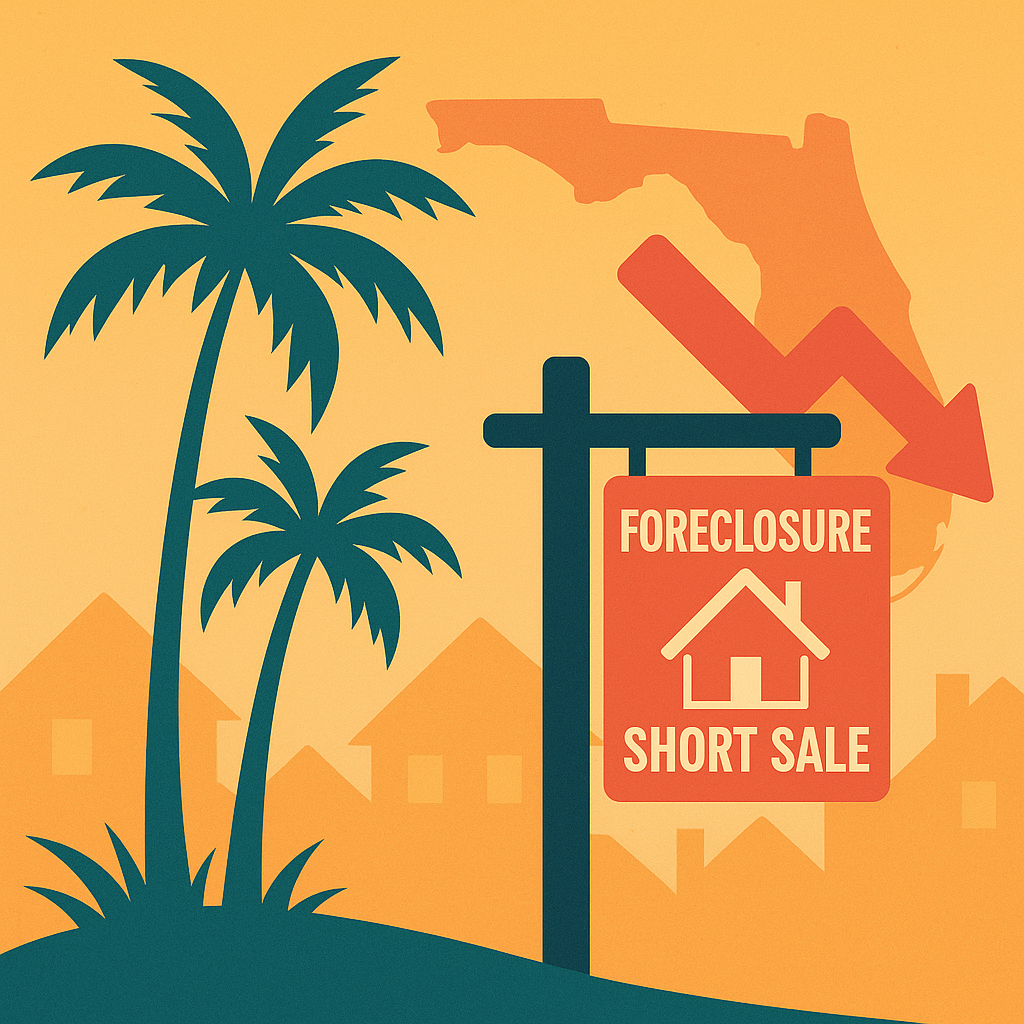
Rising Foreclosures in Florida: Why Short Sales Are Back on the Table
In Florida’s housing market, the winds are shifting. After years of relative calm, foreclosure filings across the Sunshine State are once again on the rise. For realtors, investors, and homeowners, that’s more than just a headline; it’s a signal that short sales are coming back into focus as a viable strategy in distressed property transactions. By understanding why foreclosures are increasing and how short sales can help, real estate professionals can better serve their clients while homeowners can avoid the worst consequences of default.
The Florida Foreclosure Surge
For years after the 2008 housing crash, Florida ranked among the states with the highest foreclosure rates in the country. Things improved during the recovery, but new economic pressures are pushing filings upward again. Rising insurance premiums, HOA dues and assessments, and higher interest rates have combined with stagnant wages to squeeze homeowners. Throw in steep special assessments for older condos triggered by post‑Surfside safety regulations, and you have a perfect storm. Even well‑meaning homeowners who want to keep up with their payments are struggling to stay afloat. Data from recent housing reports show foreclosure starts climbing month over month in major markets like Miami, Tampa, and Orlando. This trend is likely to continue as adjustable‑rate mortgages reset and property taxes rise.
Why This Brings Short Sales Back
When foreclosure filings rise, short sales often follow. Here’s why:
- Banks prefer recovery over repossession. A foreclosure is expensive and time‑consuming for lenders. A successful short sale lets them recover most of what’s owed, offload the property quickly, and avoid the legal headaches of taking back a home.
- Homeowners want to protect their credit. A short sale typically damages credit less severely than a completed foreclosure. For sellers who hope to buy again within a few years, that difference can mean thousands of dollars saved in interest and fees.
- Agents see more distressed listings. As financial stress builds across Florida, more listings will include “short sale” in the remarks. Realtors who understand the process and can manage expectations are better positioned to win those listings and guide them to closing.
- Investors gain opportunity. Short sales often open the door to discounted acquisitions that still close cleanly—if the right negotiator is involved. For investors focused on value, this market shift could offer rare deals in desirable neighborhoods.
The Condo Factor
One of Florida’s unique challenges is its heavy concentration of condominiums. Many older condo associations face multimillion‑dollar repairs, which they’re passing on to owners through special assessments that can run tens of thousands of dollars per unit. A homeowner already underwater on their mortgage who suddenly gets hit with a $15,000–$40,000 assessment may have no choice but to pursue a short sale. This dynamic is particularly intense in coastal markets like Miami, Fort Lauderdale, Tampa, and Orlando, where condos represent a huge share of the housing stock. For agents and investors, understanding the specific condo rules and association processes is key to navigating these deals successfully.
What Agents Need to Do Right Now
1. Identify red flags early. Properties with HOA liens, delinquent taxes, or recent foreclosure filings often make prime short sale candidates. Monitoring public records and networking with title companies can help surface these opportunities before they hit the MLS.
2. Set realistic expectations. Sellers need to know that a short sale is more complex and time‑consuming than a traditional sale. While it can save them from foreclosure, the approval process involves detailed paperwork and multiple layers of negotiation.
3. Partner with an expert. An experienced short sale negotiator can ensure the bank approves the deal and keep the file from dragging on for months. Partnering with a specialist saves time, reduces stress, and helps all parties walk away satisfied.
4. Educate your buyers. Whether you’re working with investors or end users, they need to understand the timelines and potential hurdles of buying a short sale. Proper education prevents misunderstandings and keeps deals from falling apart at the eleventh hour.
Why This Matters to Homeowners
Florida homeowners who fall behind on payments may feel like foreclosure is inevitable, but that’s not the case. A short sale allows them to:
- Avoid the stigma and long‑term credit damage of a foreclosure.
- Potentially qualify for relocation assistance at closing if the lender participates in programs like HAFA.
- Walk away without lingering debt in many cases, giving them a cleaner slate to rebuild their finances.
For families facing financial stress, these benefits can make all the difference. Instead of seeing their home auctioned on the courthouse steps, they’re able to close on their own terms and move forward.
The Bottom Line
Florida’s foreclosure uptick is more than a market statistic—it’s a call to action. For homeowners, it’s a chance to explore a short sale before foreclosure proceedings finalize. For agents and investors, it’s a reminder to brush up on short sale procedures and build partnerships that help these deals close. At Crisp Short Sales, we work behind the scenes to ensure short sale listings reach the closing table. With the right guidance, what looks like a financial disaster can turn into a manageable solution.
Explore more resources on How We Help.
See Who We Serve.
If you’ve got a listing already, get started here: Start a Short Sale.

How to Spot a Strong Short Sale Buyer (and Why It Matters)
In a short sale, the seller isn’t the only one under pressure—the buyer plays a huge role in whether the deal succeeds. Even if you’ve got the lender lined up and the paperwork in motion, a weak or unprepared buyer can cause months of negotiation to collapse at the finish line.
That’s why spotting a strong short sale buyer is one of the most valuable skills an agent or investor can develop. The right buyer can mean the difference between a smooth closing and a failed deal. Here’s how to identify them and why it matters.
Why Buyer Strength Matters in Short Sales
A short sale is not a traditional real estate deal. The buyer must be patient, flexible, and financially solid enough to withstand the twists and turns of lender negotiations. Unlike a conventional closing, a short sale can take anywhere from 60–120 days (or longer) to get approved.
If the buyer loses patience, gets cold feet, or can’t secure financing by the time the lender approves the deal, everyone loses—seller, agent, buyer, and negotiator. That wasted time also means the property may slip further into foreclosure, wiping out everyone’s hard work.
A strong buyer keeps the file moving forward, reassures the bank that approval will stick, and brings confidence to the entire transaction.
Traits of a Strong Short Sale Buyer
1. Proof of Funds or Pre-Approval Letter
The first sign of a serious buyer is documentation. A pre-approval letter from a reputable lender—or proof of funds for cash buyers—tells both the listing agent and the short sale negotiator that this buyer is ready and able to close once the bank gives the green light.
2. Patience with the Process
Short sales don’t close in 30 days. Strong buyers know this upfront and don’t panic when weeks pass without an update. They’re prepared for the waiting game and trust the process.
3. Flexibility on Timelines
Sometimes the lender approval comes with tight deadlines for closing. Sometimes it drags on longer than expected. A strong buyer doesn’t insist on rigid dates; instead, they adjust as needed to keep the deal alive.
4. Realistic Expectations
A weak buyer often thinks they’re “getting a steal” and nitpicks every detail of the property. A strong buyer understands they’re buying as-is, usually at a fair market discount, and they’re not expecting the bank or seller to make repairs.
5. Responsive Communication
Strong buyers (and their agents) reply quickly to requests for updated documents, addendums, or signatures. A delay of just a few days can sometimes derail the approval timeline.
How Agents Can Screen for Strong Buyers
Agents representing sellers in short sales have a responsibility to vet offers carefully. Accepting the wrong buyer wastes everyone’s time. Here’s how to screen:
• Ask for documentation upfront. Require proof of funds or a pre-approval letter before submitting the offer.
• Explain the process clearly. Make sure buyers understand that approvals take time, and repairs are rare.
• Gauge their flexibility. Ask direct questions: “Are you prepared to wait 90+ days for approval?” “Will you need to close on a specific date, or can you adjust if needed?”
• Watch how they respond to your calls and emails. If they’re slow now, they’ll be slower when the bank asks for an updated paystub.
Why This Matters for Agents and Investors
Spotting a strong buyer isn’t just about protecting the seller. It’s about protecting your time, reputation, and pipeline of deals. Each short sale requires hours of coordination, negotiation, and follow-up. If the buyer flakes, all that work is wasted.
For investors, this knowledge helps when partnering with agents. Investors who consistently bring strong buyers to the table build trust with banks, agents, and negotiators—leading to smoother approvals and repeat opportunities.
Final Thoughts
Short sales are never easy, but with the right buyer, they can be highly rewarding for everyone involved. The strongest buyers bring patience, proof of funds, and clear communication to the table.
Agents who learn to recognize these traits early save themselves (and their clients) from endless headaches. And when you’ve got a solid negotiator handling the lender side, pairing that with a strong buyer is a recipe for success.
Explore more resources to strengthen your short sale deals:
🔗 How We Help
🔗 Start a Short Sale

Are Short Sales Coming Back? 2025 Market Signals
If you are asking whether short sales are coming back, you are probably already seeing the early signals: sellers who need to move, payments that no longer fit, and listing math that does not leave enough room to close. The 2025 market is not a repeat of the old crash playbook, but the warning signs are real. The housing market has always moved in cycles. After years of steady appreciation and historic buyer demand, the tides are shifting again. In 2025, short sales — those transactions where a property sells for less than what’s owed on the mortgage — are beginning to resurface in meaningful numbers.
Fast Answer: Are Short Sales Coming Back in 2025?
Short sales are coming back in targeted 2025 situations, especially when homeowners have hardship, thinner equity, rising debt, or foreclosure risk. It is not a nationwide wave everywhere. It is a local, file-by-file pattern where agents need to spot the equity gap early and guide sellers before options shrink.
What Agents Should Do Next
- Run a true net sheet that includes payoff, closing costs, liens, HOA balances, and taxes.
- Ask about hardship before assuming a price reduction will solve the problem.
- Start lender conversations early if the seller cannot close at the expected payoff.
For real estate professionals and homeowners alike, understanding why this is happening now (and how to navigate it) can make the difference between closing a deal smoothly and watching one collapse at the finish line.
The Market Conditions Driving Short Sales in 2025
1. Rising Interest Rates and Mortgage Strain
While rates aren’t at record highs, they’ve held steady enough to put pressure on adjustable-rate mortgages that reset in late 2024. Homeowners who stretched their budgets during the pandemic boom are suddenly finding monthly payments unaffordable.
2. Insurance and HOA Cost Surges
In states like Florida, Texas, and California, skyrocketing homeowners insurance premiums and special HOA assessments have blindsided owners. For condos especially, a surprise $10,000–$20,000 assessment can be the final straw, leaving little room for equity when selling.
3. Slower Appreciation and Price Corrections
Home values aren’t free-falling, but they’re no longer rising fast enough to bail out financially strained owners. In some metro markets, sellers who bought at the top in 2021–22 are now underwater, especially if they used high-LTV loans.
4. Consumer Debt and Economic Pressure
Credit card balances are at record highs, car loan delinquencies are climbing, and wage growth hasn’t kept up with inflation. For some homeowners, a mortgage is simply one bill too many.
What This Means for Homeowners
Short sales give struggling homeowners an alternative to foreclosure. Instead of walking away and damaging their credit for years, they can work with their lender to accept a sale at today’s market value — even if it’s less than the mortgage balance.
Key benefits for homeowners:
- Avoiding foreclosure and minimizing credit damage.
- Potential relocation assistance paid by the lender at closing.
- A clean slate to move forward, often with the ability to buy again sooner.
What This Means for Realtors and Investors
For real estate professionals, short sales require expertise, patience, and negotiation skills. But the payoff is worth it:
- Realtors can rescue deals that would otherwise fall apart, providing real value to clients while still earning commissions.
- Investors gain access to motivated sellers and discounted properties — if they’re willing to navigate lender approval processes.
With more short sales hitting the MLS, agents who understand the process (or partner with experts who do) are positioned to win business others walk away from.
The Critical Role of Short Sale Experts
Here’s the truth: most agents don’t want to handle short sales. They’re complex, paperwork-heavy, and require constant lender follow-up. That’s where outsourcing comes in.
By working with a short sale coordinator or processor, agents can:
- Keep control of the listing and client relationship.
- Offload the bank negotiations and document prep.
- Ensure deals actually reach the closing table.
At Crisp Short Sales, that’s exactly what we do. For over 15 years, we’ve specialized in handling the lender side so Realtors and investors can focus on selling.
Looking Ahead: The 2025 Opportunity
If the first quarter of 2025 is any indication, short sales are only going to increase throughout the year. Market pressures — from interest rates to HOA costs — aren’t easing anytime soon. The agents and investors who recognize this shift early will be positioned to help more clients, close more deals, and stand out as trusted problem-solvers in their markets.
Short sales aren’t just back. They’re becoming a key part of the real estate landscape again. The only question is whether you’ll be ready to take advantage of the opportunity.
Explore more resources:
- How We Help
HOA Dues Blocking a Short Sale? What Agents Miss
Liens and Complex Short Sale Files Hub
The toughest short sales often stall because of liens, HOA balances, tax issues, second approvals, reverse mortgages, or program-specific rules. This hub gives agents a cleaner path through the complex-file questions that tend to surface late.
Fast Answer: HOA Dues Blocking a Short Sale
HOA dues can block or delay a short sale when unpaid balances, attorney fees, liens, or transfer requirements are not resolved early. The lender may not approve enough payoff room for the HOA demand, so agents should order the statement, confirm lien status, and negotiate the balance before final approval.
What Agents Should Check Next
- Request an updated HOA payoff, including attorney fees and transfer charges.
- Confirm whether the HOA recorded a lien and whether legal collection has started.
- Tell the short sale negotiator early so HOA costs are included in the approval strategy.
- The 2025 Surge in HOA Liens: What It Means for Short Sales
- HOA Liens & Short Sales: Who Gets Paid, Who Gets Wiped Out, and Why Closings Fall Apart
- Can You Pay Off HOA Debt in a Short Sale?
- How to Do a Short Sale With an IRS Tax Lien (What Most Agents Get Wrong)
- Can You Do a Short Sale on a Reverse Mortgage? Yes — And It’s Often Easier Than You Think
- Reverse Mortgage Short Sales: What Heirs Need to Know Before the Deadline Hits
- FHA and VA Short Sale Rules: Timelines and Traps
- FHA Short Sales: How the Process Really Works (And How to Get Them Approved)
- VA Short Sales Explained: How the Process Works and How We Help Agents and Homeowners Close
Bring complex short sale files to Crisp earlier
HOA dues can block a short sale right when everyone thinks the hard part is over. Agents often focus on the first mortgage, but unpaid HOA balances, legal fees, transfer demands, and lien priority can quietly threaten approval and closing. When it comes to short sales, most agents focus on the lender approval process—and for good reason. Banks and servicers ultimately determine whether the deal can close. But there’s another player that often gets overlooked until it’s too late: the homeowner’s association (HOA).
Unpaid HOA dues, special assessments and even HOA legal fees can derail a short sale just as quickly as a slow lender. Understanding how to identify and handle these issues up front can make the difference between a smooth closing and a deal that falls apart at the eleventh hour.
Why HOA Dues Matter in a Short Sale
When a homeowner falls behind on their mortgage, chances are they’ve also fallen behind on their HOA dues. Those dues don’t just disappear – they become a lien against the property, sitting in line with the mortgage lender, county taxes and any other encumbrances. Unlike property taxes or mortgages, HOAs usually don’t foreclose quickly. But they do have legal rights to collect. And in many states, HOA liens can take priority over mortgages for a portion of the unpaid balance. That means lenders will require the HOA to be dealt with before approving the short sale.
Types of HOA Charges You Might See
HOA balances often include more than just the monthly dues. Watch for these categories:
- **Regular assessments** – the monthly or quarterly fees every homeowner pays.
- **Late fees & interest** – penalties that accumulate after missed payments.
- **Special assessments** – one‑time charges for major repairs such as roof replacements, pool renovations or structural upgrades.
- **Attorney’s fees & court costs** – if the HOA has hired a lawyer or filed suit, the costs can quickly balloon.
It’s not unusual to see a $2,000 unpaid balance snowball into $10,000 or more once legal fees and assessments are added.
How HOA Liens Impact the Approval Process
Mortgage lenders want to know their lien is being satisfied – or at least partially resolved – in the short sale. If the HOA lien isn’t addressed, title can’t transfer cleanly. That’s why most short sale approval letters specifically list HOA dues and assessments as part of the settlement. But here’s the tricky part: banks don’t always agree to pay the full HOA balance. Some lenders cap what they’ll allow at $1,500 or $2,500, regardless of what’s owed. If the HOA demands more, someone has to make up the difference – either the buyer, the seller or, in rare cases, the realtor’s commission.
The Realtor’s Role in Managing HOA Payoffs
This is where proactive communication comes in. As the agent, you’re often the one coordinating between the lender, HOA and closing attorney. Here’s how you can stay ahead of problems:
1. **Ask early about HOA dues.** At listing, find out if the property is in an HOA and whether dues are current. A quick call to the management company can prevent ugly surprises later.
2. **Request an HOA estoppel or statement of account.** In many states, HOAs are required to provide a payoff figure upon request. This document outlines exactly what’s owed—including late fees, assessments and attorney’s costs.
3. **Communicate with the lender.** Submit the HOA payoff request with your short sale package. This allows the lender to address it in their approval terms.
4. **Negotiate where needed.** Sometimes the HOA will agree to reduce fees if they know a foreclosure is the alternative. Other times, the buyer may need to cover part of the balance as a condition of sale.
Real-World Example: The $12,000 Roadblock
We once worked on a Florida condo short sale where the HOA balance had grown to nearly $12,000 due to a $7,000 special assessment plus years of unpaid dues. The bank was only willing to pay $2,500 toward it. At first glance, it looked like the deal was dead. But after presenting the HOA with the reality—that a foreclosure would likely leave them with nothing—we negotiated the balance down to $5,000. The buyer agreed to cover the difference at closing, and the sale went through. Without addressing the HOA head‑on, the deal would have collapsed.
State Variations and "Super Liens"
Realtors should also be aware of state‑specific laws. Some states, like Florida and Nevada, give HOAs “super lien” status—meaning they can claim priority over mortgages for up to six months (or more) of unpaid dues. In these states, banks are particularly motivated to resolve HOA claims, but the process can be strict. Always check your local laws or lean on your closing attorney for guidance.
Best Practices for Realtors Handling HOA Short Sales
- **Don’t wait until title review.** By then, it’s often too late to negotiate or adjust contracts.
- **Educate your seller.** Many homeowners assume the bank will pay everything. Be upfront that HOA balances can complicate the deal.
- **Prepare your buyer.** If HOA balances exceed lender limits, buyers may need to contribute. Set that expectation early.
- **Work with an experienced short sale expert.** Having a negotiator who knows the ins and outs of HOA payoffs can save weeks of stress.
Final Thoughts
HOA dues may not be the first thing you think of when listing a short sale, but they can absolutely make or break a deal. By identifying the issue early, securing payoff statements and setting proper expectations with all parties, you’ll prevent last‑minute surprises and keep your deals moving smoothly. As with most things in short sales, the key is communication—between seller, lender, buyer, HOA and closing attorney. When everyone understands the stakes, you’re far more likely to get that approval letter and see your short sale cross the finish line. And if you ever find yourself facing an HOA hurdle, remember: there are always options. Foreclosure benefits no one—so with the right approach, most HOAs are willing to compromise to ensure a deal gets done.
Explore More Resources
For additional tips on navigating short sales, check out our pages on **How We Help**, **Who We Serve** and **Start a Short Sale**. With the right guidance, you can turn seemingly complex HOA situations into smooth closings.

Why Banks Approve Short Sales Faster with Organized Packages
Discover how organized short sale packages can speed up bank approvals and make short sale transactions smoother.
If there’s one truth in the world of short sales, it’s this: banks love clean, complete packages. A well-organized submission is the difference between months of back-and-forth chaos and a smooth, swift approval.
I’ve been in the short sale trenches long enough to know that the agent or investor who delivers a neat, lender-ready file is the one who gets their deals approved the fastest. Today, let’s break down why organization matters so much—and how you can leverage it to close more deals without the headaches.
Banks Are Bureaucracies (and That’s Not an Insult)
Lenders process thousands of files every week. Picture a giant conveyor belt where packets are shuffled from desk to desk. If your file is missing documents or has unclear financials, it doesn’t just slow things down—it often gets kicked back to the bottom of the pile.
Organized files make the bank’s job easier. And when you make their job easier, they reward you with speed.
What an “Organized Package” Actually Looks Like
When I talk about organization, I’m not just talking about a nice binder. It’s about *substance* and *structure*. A lender-ready package should include:
1. **Cover Sheet & Contact Info** – So the negotiator knows exactly who to reach.
2. **Authorization to Release Information** – No communication can start without it.
3. **Financial Hardship Letter** – Written clearly, without contradictions.
4. **Complete Financials** – Pay stubs, bank statements, tax returns. Missing even one page can delay things.
5. **Listing Agreement & MLS Printout** – To confirm the property is being marketed properly.
6. **Purchase Contract & Proof of Funds** – Showing the buyer is real and ready.
7. **Net Sheet/HUD** – A preliminary settlement statement that spells out the numbers.
Think of it like a puzzle: if even one piece is missing, the bank can’t see the full picture.
Time Is Money (Literally)y)
Banks don’t want to waste time. Every day a property sits in limbo, the bank risks further loss. By giving them everything they need in one shot, you’re helping them make a decision faster.
I’ve seen deals where agents submitted piecemeal documents for weeks—each missing page bought them another two-week delay. Meanwhile, the foreclosure clock kept ticking. Compare that to an organized file: approvals can come in a fraction of the time.
Common Pitfalls That Kill Speed
Let’s talk about what *not* to do:
- **Sending documents piecemeal**: Emailing one page today, another tomorrow.
- **Unclear financials**: Bank statements with missing pages or redactions.
- **Outdated docs**: Submitting pay stubs or bank statements more than 60 days old.
- **Sloppy HUDs**: Net sheets that don’t add up—or worse, don’t match the offer.
Each of these gives the bank an excuse to pause the file. And every pause is lost tme# Why Agents & Investors Shouldn’t DIY
Short sales are tricky enough without adding paperwork chaos. Many agents try to juggle these files on top of their normal workload, and investors often underestimate the lender’s appetite for precision.
This is where professional short sale processors shine. Our job is to package the deal perfectly the first time, so banks say “yes” faster. We know exactly what each lender wants, how they want it formatted, and how to keep files moving forward.# Line
## Banks Are Bureaucracies (and That’s Not an Insult)
Lenders process thousands of files every week. Picture a giant conveyor belt where packets are shuffled from desk to desk. If your file is missing documents or has unclear financials, it doesn’t just slow things down—it often gets kicked back to the bottom of the pile.
Organized files make the bank’s job easier. And when you make their job easier, they reward you with speed.
## What an “Organized Package” Actually Looks Like
When I talk about organization, I’m not just talking about a nice binder. It’s about substance and structure. A lender-ready package should include:
1. **Cover Sheet & Contact Info** – So the negotiator knows exactly who to reach.
2. **Authorization to Release Information** – No communication can start without it.
3. **Financial Hardship Letter** – Written clearly, without contradictions.
4. **Complete Financials** – Pay stubs, bank statements, tax returns. Missing even one page can delay things.
5. **Listing Agreement & MLS Printout** – To confirm the property is being marketed properly.
6. **Purchase Contract & Proof of Funds** – Showing the buyer is real and ready.
7. **Net Sheet/HUD** – A preliminary settlement statement that spells out the numbers.
Think of it like a puzzle: if even one piece is missing, the bank can’t see the full picture.
## Time Is Money (Literally)
Banks don’t want to waste time. Every day a property sits in limbo, the bank risks further loss. By giving them everything they need in one shot, you’re helping them make a decision faster.
I’ve seen deals where agents submitted piecemeal documents for weeks—each missing page bought them another two-week delay. Meanwhile, the foreclosure clock kept ticking. Compare that to an organized file: approvals can come in a fraction of the time.
# Common Pitfalls That Kill Speed
Let’s talk about what *not* to do:
- **Sending documents piecemeal**: Emailing one page today, another tomorrow.
- **Unclear financials**: Bank statements with missing pages or redactions.
- **Outdated docs**: Submitting pay stubs or bank statements more than 60 days old.
- **Sloppy HUDs**: Net sheets that don’t add up—or worse, don’t match the offer.
Each of these gives the bank an excuse to pause the file. And every pause is lost time
# Why Agents & Investors Shouldn’t DIY
Short sales are tricky enough without adding paperwork chaos. Many agents try to juggle these files on top of their normal workload, and investors often underestimate the lender’s appetite for precision.
This is where professional short sale processors shine. Our job is to package the deal perfectly the first time, so banks say “yes” faster. We know exactly what each lender wants, how they want it formatted, and how to keep files moving forward.
## The Bottom Line
If you want faster approvals, you need organized packages. It’s not glamorous work, but it’s what makes the bank’s system click. And in the short sale world, speed isn’t just convenience—it’s survival.
Agents and investors who value their time (and their clients’ futures) should make “organized packages” the rule, not the exception.
Need help making your next short sale bank-ready from day one? That’s what we do at Crisp Short Sales. We’ll make sure your file lands on the negotiator’s desk ready to approve—because time is too valuable to waste.he Bottom If you want faster approvals, you need anized packages. It’s not glamorous work, but it’s what makes the bank’s system click. And in the short sale world, speed isn’t just convenience—it’s survival.
Agents and investors who value their time (and their clients’ futures) should make ” the r“organized packagesule, not the exception.
Need help making your next short sale bank-ready from day one? That’s what we dhorto at Crisp S Sales. We’ll make sure your file lands on the negotiator’s desk ready to approve—because time is too valuable to waste.

The Rise of Foreclosures in Texas: Why Short Sales Matter More Than Ever
Texas is making headlines again—but not just for its booming economy and fast-growing cities. In August 2025, the Lone Star State led the nation in foreclosures and distressed sales, signaling financial stress for thousands of homeowners. According to ATTOM, a leading real estate analytics firm, lenders repossessed 476 Texas properties through completed foreclosures (REOs) in just one month. Houston, San Antonio and Dallas ranked among the hardest-hit metros, combining for nearly 300 repossessions.
Nationwide, bank-owned properties rose 41% year-over-year, with a total of 4,077 REOs in August. But Texas stood out as a leader in this unfortunate trend. For homeowners struggling with rising costs, depleted savings and climbing interest rates, foreclosure is becoming a harsh reality.
Why Are Foreclosures Rising?
- Affordability pressures. Homeowners face higher mortgage payments thanks to elevated interest rates, while wages aren’t keeping pace with costs.
- Exhausted safety nets. Pandemic-era savings and financial buffers like home equity loans and tax refunds have run dry.
- Lingering post-moratorium effects. Protections that kept foreclosures low during the pandemic have expired, and lenders are now catching up on delayed filings.
- Price strain. Even as home prices soften in some areas, affordability compared to pre-pandemic years remains stretched.
Why This Matters for the Market
- More distressed supply. REOs flood the market with discounted properties, adding downward pressure on surrounding home values.
- Neighborhood challenges. Bank-owned homes can sit vacant, hurting curb appeal and depressing values in nearby communities.
- Market instability. Rising foreclosure rates erode buyer confidence, creating cycles of reduced demand and further price drops.
Yet, behind these statistics are families who could benefit from a different outcome: the short sale.
Short Sales: A Better Alternative to Foreclosure
- Protects credit. A short sale is typically less damaging to credit than foreclosure, giving homeowners a faster path to financial recovery.
- Avoids vacancy. Homes sold through short sales are usually maintained and occupied until closing, preventing the blight of abandoned properties.
- Better for the market. Short sales often result in higher sale prices than bank-owned foreclosures, which means less impact on neighborhood values.
- Relocation assistance. Many lenders offer moving assistance at closing for homeowners who complete a short sale, softening the financial blow.
For Texas homeowners, choosing a short sale instead of letting the bank take the property can make all the difference—both personally and financially.
What This Means for Agents and Investors
- Agents: Offering short sale guidance can save your clients’ credit and build lasting trust.
- Investors: Short sales can open up more purchase opportunities at fair market value without waiting for properties to hit the auction block.
- Homeowners: If you’re behind on payments, a short sale could help you move forward without the lasting damage of foreclosure.
The Bottom Line
Texas is at the forefront of a national surge in distressed properties. With foreclosure filings up 18% nationwide year-over-year, it’s clear that more homeowners will be at risk in the months ahead. But foreclosure doesn’t have to be the end of the story. Short sales provide a path that protects homeowners, helps neighborhoods, and stabilizes the market.
At Crisp Short Sales, we specialize in guiding agents, investors, and homeowners through this process—so these properties don’t just add to the foreclosure statistics but instead turn into successful closings.
👉 Learn how we help here.
👍 Start your short sale today...

Short Sale Relocation Incentives: Who Gets Paid?
Explore how relocation incentives in short sales can help homeowners cover moving costs. Understand what they are, why lenders offer them, and how to qualify.
Related topic hub: Short Sale Relocation Assistance. It covers eligibility, incentive programs, foreclosure timing, and how to ask before approval terms are final.
Fast Answer: Who Gets Short Sale Relocation Incentives?
Short sale relocation incentives usually go to an eligible occupant or seller named in the lender's approval terms. The payment is not guaranteed and can be denied if the property is vacant, the seller misses deadlines, or the file does not meet investor rules. Approval language should always be checked before closing.
What To Confirm Before Closing
- Verify who occupies the property and whether tenants are involved.
- Ask the lender to confirm relocation incentive eligibility before issuing final approval.
- Make sure the closing statement and approval letter match the expected incentive amount.
Short sale relocation incentives can sound simple until everyone starts asking who actually gets paid. Sellers, tenants, occupancy status, lender rules, and approval timing all matter, so the safest move is to clarify eligibility before the file reaches the finish line. When you’re facing a short sale, one of the most common questions is: “Do I get anything at closing, or am I just walking away empty-handed?”
The good news: many lenders offer relocation incentives to homeowners who complete a short sale. These payments—sometimes called relocation assistance or move-out incentives—are designed to help cover your moving expenses and ease the transition into your next home. They’re not available in every case, but when they are, they can be a big relief.
What Are Relocation Incentives?
A relocation incentive is a cash payment made directly to the homeowner at closing of a short sale. Unlike foreclosure cash-for-keys, this is not about the bank paying you to vacate quickly. Instead, it’s a recognition that moving costs money—truck rentals, security deposits, utility deposits, packing supplies—and lenders want the short sale to succeed.
Amounts vary widely:
- $1,000–$3,000 is common for many national lenders.
- Certain government programs, like HAFA (back when it was active), offered up to $10,000.
- In some investor-specific cases, we’ve seen lenders approve custom incentives tied to settlement negotiations.
Why Do Lenders Offer It?
Lenders benefit when short sales close smoothly. Every failed short sale can cost them tens of thousands in delays, property deterioration, or foreclosure proceedings. By offering relocation money, they encourage homeowners to:
- Stay engaged and cooperative during the process.
- Maintain the property until closing.
- Move out in an orderly fashion, avoiding last-minute complications.
How Do You Qualify?
Qualification depends on the lender, investor guidelines, and sometimes the type of hardship. In general:
- The property must be your primary residence (though some exceptions exist).
- You need to complete all required short sale documentation.
- The sale must close successfully—if the deal falls through, no funds are paid.
Your negotiator (that’s where Crisp Short Sales comes in) will typically request relocation assistance during the approval process and confirm it in writing in the lender’s approval letter.
When Is It Paid?
Relocation incentives are always paid at closing, directly on the settlement statement (HUD/CD). They never come upfront, and they’re not contingent on what the buyer offers—it’s strictly a lender-approved benefit.
What Can You Use It For?
There are no strings attached. Once you receive your relocation incentive, you can use it however you need. Most families put it toward:
- Security deposits and first month’s rent for a new place.
- Moving truck rentals or professional movers.
- Utility deposits and setup fees.
- Furniture or household items for the new home.
Common Myths About Relocation Incentives
Myth 1: Every short sale includes relocation assistance. False. Many do, but it depends entirely on lender guidelines and investor approval.
Myth 2: The buyer pays the incentive. Wrong again. Relocation assistance is paid by the lender, not out of the buyer’s pocket.
Myth 3: It reduces the chance of approval. Not true. In most cases, relocation assistance is already baked into the lender’s loss-mitigation calculations.
Real-World Example
One of our clients in Georgia was approvehort saled for a s with Bank of America. Not only did the lender waive the entire deficiency, but they also issued a $3,000 relocation incentive. That check was delivered at closing and covered the client’s moving truck, deposits, and gave them a small cushion to get resettled.
Final Thoughts
If you’re considering a short sale, don’t overlook relocation incentives. They’re not guaranteed, but with the right negotiation strategy, they can be a helpful lifeline. At Crisp Short Sales, we handle the back-and-forth with lenders to maximize your approval terms—including pushing for relocation assistance when it’s available.
Short sales are stressful enough. Knowing you might walk away with cash to fund your move makes the process a lot more manageable.
Ready to explore your options? Start a Short Sale or learn How We Help today.

Escalation Tactics That Work: Turning a Deadlocked Short Sale Into a Closed Deal
If you’ve ever managed a short sale, you know the process can feel like herding cats—except the cats are bank departments, appraisers, title companies, and negotiators who rarely talk to each other. Sometimes, even when you’ve done everything right, the file stalls. That’s when escalation becomes the most powerful tool in your arsenal.
At Crisp Short Sales, we’ve seen escalation save deals that seemed doomed to foreclosure. Let’s break down when to escalate, how to do it effectively, and some real-world examples where it made all the difference.
Learn more about how we help and who we serve by exploring our services and client stories.
What Does Escalation Mean in a Short Sale?
Escalation simply means taking the file to a higher authority when the frontline negotiator can’t—or won’t—move it forward. Every lender has an internal hierarchy. If you can’t get traction with the first person assigned to your file, there’s usually a supervisor, investor desk, or even an executive office with the power to step in.
Think of escalation like pushing the “reset” button on a stalled process. You’re not just complaining—you’re backing up your request with documentation, logic, and persistence until someone with decision-making authority pays attention.
When Should You Escalate?
Not every hiccup deserves escalation. Save it for moments when the file is truly at risk:
- Unresponsive negotiators: If weeks go by without updates despite multiple attempts.
- Unreasonable investor demands: When net proceeds requirements don’t align with reality.
- Multiple lien holders: When junior lien approvals are dragging the deal into foreclosure territory.
Pro tip: Always try standard communication first. Escalation works best when you can show you’ve already tried the normal route without success.
How to Escalate Effectively
Escalation is part art, part science. Here are the steps that consistently deliver results:
1. Document everything. Keep a clear record of emails, call logs, valuations, and comps. When you escalate, you want to show a complete trail.
2. Target the right department. Each lender is different, but common escalation paths include the supervisor or team lead, investor escalation desk, executive resolution department, or even a state-level regulator in extreme cases.
3. Make the case in numbers. Don’t just say the value is wrong—provide 3–5 solid comps, contractor repair bids, and photos. Hard data wins arguments.
4. Frame escalation as a solution, not a complaint. Example: “We’re concerned this valuation doesn’t reflect true market value, which risks foreclosure. Adjusting it ensures the investor gets the maximum net possible.”
5. Stay professional, but persistent. Escalation often requires multiple follow-ups. The squeaky wheel gets the grease, but the respectful squeaky wheel gets approvals.
Real-World Escalation Wins
Here are a few examples from deals where escalation turned things around:
- Case 1: Appraisal Dispute with Fannie Mae: A property in metro Atlanta was valued at $398,000 despite major water damage. The buyer’s offer of $310,000 was realistic, but the lender wouldn’t budge. We escalated directly to the Fannie Mae escalation desk with contractor bids and photos. Within 10 days, the value was adjusted, and the short sale approved.
- Case 2: Unresponsive 2nd Lien Holder: A deal in Florida was deadlocked when the second mortgage lender ignored all outreach. We escalated to their executive office with proof of foreclosure timeline pressure. Within a week, they approved a $5,000 payoff—keeping the deal alive.
- Case 3: Investor Net Requirement Too High: A Freddie Mac short sale was stuck because their system flagged the offer as too low. We escalated with comps and a breakdown of neighborhood decline. After review, the investor approved at a lower net that matched reality, closing the file instead of forcing foreclosure.
Why Escalation Matters
Every short sale involves juggling multiple parties with competing interests. Without escalation, many deals would simply collapse. Done right, escalation not only saves the current deal—it builds credibility with lenders for future files.
At Crisp Short Sales, escalation isn’t a last resort. It’s a built-in part of our process. We know exactly who to call, what to send, and how to present the case so files move forward instead of collecting dust.
If you’ve got a short sale file that’s stuck, don’t wait for the clock to run out. Escalation could be the difference between foreclosure and a closed deal.

VA Short Sale Guidelines: Approval Steps and File Review
Use this VA short sale guide to understand approval steps, compromise-sale timing, file requirements, and when to ask for a review.
When most agents hear *VA short sale*, their shoulders tense up. The common belief is that short sales involving Veterans Affairs–backed loans drag on for months, filled with red tape, endless reviews, and frustrated buyers walking away before closing.
Here’s the truth: VA short sales don’t have to be slow. In fact, with the right preparation and a clear understanding of the process, they can often move more quickly than FHA or even conventional short sales.
At Crisp Short Sales, we’ve seen firsthand that when the right steps are taken, VA short sales can close smoothly — sometimes faster than expected. Let’s break down why.
1. VA Has Clear Guidelines on 1. VA Has Clear Guidelines on Net Proceeds
Unlike some investors that adjust net requirements deal by deal, VA short sales have a standard minimum net return: 84.05% of the offer price. That number may look intimidating at first, but here’s the upside — it’s predictable. Agents and negotiators don’t have to wonder what the investor might demand. If you structure the HUD correctly from the start, you’re already halfway to approval.
Compare this with Fannie Mae or Freddie Mac short sales, where guidelines can fluctuate or get bogged down in back-and-forth. VA’s clear math often saves weeks of guesswork.
2. Relocation Assistance Is Built In
A key advantage of VA loans is that they include relocation assistance for the homeowner. VA short sale guidelines allow sellers to qualify for funds to help with moving expenses, making the process less stressful. When a seller knows they’ll have money available for relocation at closing, they’re more likely to cooperate quickly and avoid delays. This built-in support is unique to VA, and it helps keep the short sale moving on schedule.
3. VA’s Valuation Process Is Streamlined
Most short sale delays come down to property valuation. The BPO or appraisal sets the tone for everything else. VA uses clear valuation standards and is generally more receptive to disputes when you present legitimate comparables, repair estimates or documentation. This responsiveness can shave weeks off the process compared to other investors.
4. Lenders Want These Files Closed
Servicers handling VA short sales know the rules and aren’t reinventing the wheel with every new file. That consistency means less fumbling, fewer “let me check” delays, and a smoother timeline. At Crisp, we work directly with lender short sale departments, preparing every document so there’s no room for stall tactics. The more airtight the submission, the faster the approval.
5. The Buyer’s Experience Can Be Better
Buyers are more likely to stick with a VA short sale because they can trust the timeline. When you tell a buyer that a VA short sale typically takes 60–90 days instead of the “could be 3 months, could be 9” uncertainty of other investor programs, they’re less likely to walk away. That certainty is a huge advantage and reflects positively on you as the agent.
Final Thoughts
Yes, short sales always require patience and precision. But VA short sales don’t deserve their bad reputation for being slow. With clear net requirements, built‑in relocation help, and a lender playbook that’s both consistent and flexible, VA short sales can often move faster than other types.
The key is preparation. If you’re an agent working on a VA short sale, don’t go it alone. Having an experienced negotiator on your side ensures the file is structured correctly, the valuation is handled strategically, and the lender gets exactly what they need the first time. At Crisp Short Sales we specialize in taking that workload off your plate so you can focus on selling homes and serving your clients.