


Why “Approved Price” Doesn’t Mean “Approved Deal” in Short Sales
An approved price doesn’t guarantee a closed short sale. Learn why deals fall apart after approval and how to prevent it.
One of the most common short sale misconceptions I hear from agents, buyers, and even some sellers is this:
> "The bank approved the price, so we’re good to go."
If only it were that simple.
In short sales, an **approved price is not the same thing as an approved deal**. Confusing the two is one of the biggest reasons transactions fall apart weeks or even months after everyone thinks they’re “done.” Understanding the difference is critical—and it’s where experienced short sale processing makes all the difference.
Let’s break down what’s really happening behind the scenes.
### What a Short Sale ‘Price Approval’ Actually Means
When a lender issues a short sale approval letter, the first thing most people look for is the approved purchase price. That number matters—but it’s only one piece of a much larger puzzle.
A price approval simply means the lender agrees that the **gross sale price** is acceptable based on their valuation (BPO, appraisal, or internal review). It does *not* automatically mean:
- The HUD is approved
- All fees are acceptable
- The buyer structure is compliant
- The timeline is locked
- The deal is guaranteed to close
This is why experienced agents rely on a short sale specialist who understands how lenders evaluate the *entire transaction*, not just the headline number.
### Conditional Approvals: The Fine Print That Kills Deals
Almost every short sale approval comes with **conditions**. These are not suggestions — they’re requirements. Miss one, and the approval can be withdrawn.
Common conditions include:
- Approved net to lender (not just price)
- Limits on buyer-paid fees or credits
- Restrictions on commissions
- Deadlines for closing
- Requirements for arms-length affidavits
- Seller contribution rules
- Buyer identity disclosures
A short sale coordinator knows that these conditions must line up perfectly with the final HUD. This is where many “approved” deals quietly die.
### Net Proceeds Matter More Than Price
Lenders don’t approve short sales based on emotion. They approve them based on **net recovery**.
Two offers at the same price can produce very different results for the bank:
- One may include excess credits
- Another may have unapproved buyer fees
- One may violate investor guidelines
- Another may push timelines too far
From the lender’s perspective, the higher-priced offer is irrelevant if the net proceeds are lower. This is why clean HUDs and accurate short sale processing are so important.
If you’ve ever watched a bank reject a “better” offer, this is usually why.
### Buyer Fees and Credits: The Silent Deal Breakers
Buyer-paid fees are one of the most misunderstood aspects of short sales.
Some lenders allow them. Some don’t. Some allow them only if disclosed and capped. Others allow them but adjust the net accordingly. And some investors prohibit them entirely.
If buyer fees are added after approval — or structured incorrectly — the lender can revoke the approval outright.
This is where working with a short sale negotiator who knows what’s allowed *before* submission prevents last-minute chaos and keeps everyone aligned from day one.
### Timeline Conditions Are Real (And Enforced)
Approval letters almost always include a strict closing window. Miss it, and you may need:
- An extension request
- A re-review
- A new valuation
- Or a full resubmission
None of those are guaranteed.
A proper short sale coordinator tracks timelines aggressively, communicates with all parties, and resolves issues *before* the lender’s clock runs out. Waiting until the deadline is how approved deals quietly expire.
### Why Deals Fall Apart After ‘Approval’
When short sales collapse post-approval, it’s usually because:
- The HUD changed without lender consent
- A buyer switched loan programs
- Fees were added late
- A condition was misunderstood
- No one was monitoring compliance
These aren’t dramatic mistakes. They’re small, technical issues that compound quickly without proper oversight.
This is exactly why Crisp Short Sales exists—to manage these details so agents can focus on selling, not firefighting.
### How Crisp Short Sales Keeps Approved Deals Closing
At Crisp Short Sales, we don’t just help get price approvals—we help get deals to the closing table.
Our team handles:
- Full short sale processing and lender coordination
- HUD and net sheet compliance
- Buyer fee review and structuring
- Timeline tracking and extensions
- Investor and insurer guidelines
- Clear communication with agents and buyers
If you’re an agent or investor looking for **short sale assistance**, we step in behind the scenes and manage the lender process end-to-end. You stay in control of your listing. We handle the heavy lifting.
Learn more about how we help agents protect their deals, or see who we serve.
If you're ready to start the short sale process the right way, visit /start-short-sale.
An approved price is just the beginning.
Short sales close when **every condition, dollar, and deadline** is handled correctly. That’s not luck—that’s experience, structure, and disciplined short sale processing.
If you want fewer surprises and more closings, make sure someone is watching the details the bank actually cares about.

What Lenders Actually Look for Before Assigning a Short Sale Negotiator
Most agents assume that once a short sale package is submitted, the lender automatically assigns a negotiator and the clock starts ticking. In reality, there’s a quiet but critical evaluation phase that happens before a short sale negotiator is ever assigned. And if a file fails this initial review, it can sit untouched for weeks or even months.
Understanding what lenders look for at this stage is one of the biggest advantages a seasoned short sale processor or short sale coordinator brings to the table. It’s also where many well‑intentioned DIY short sales start to unravel.
Let’s pull back the curtain.
Step One: Is This File “Assignable” at All?
Before a lender assigns a negotiator, the file must pass an internal intake screen. This is not a negotiation phase. It’s a compliance and completeness check.
Lenders are asking very basic but very strict questions:
- Is the hardship clearly documented and credible?
- Are all required borrower authorizations signed correctly?
- Is the package internally consistent?
- Does this file meet investor and insurer rules on its face?
If the answer to any of those is no or unclear, the file doesn’t move forward. It doesn’t get denied either. It just stalls.
This is why experienced short sale processing matters so much. The goal isn’t just to submit documents. The goal is to submit a file that clears intake cleanly the first time.
Hardship Is About Logic, Not Emotion
One of the biggest misconceptions is that hardship letters need to be emotional. From a lender’s perspective, emotion is irrelevant. What they care about is logic.
A strong hardship explanation answers three questions:
1. Why can’t the borrower afford the home now?
2. Why is this situation unlikely to improve?
3. Why is foreclosure not a better financial outcome for the lender?
When these points aren’t clearly connected, lenders hesitate to assign a negotiator because the file looks weak. A skilled short sale specialist knows how to frame hardship in a way that aligns with lender review standards, not sympathy.
Financials Must Match the Story
Lenders cross‑check everything. If the hardship claims loss of income, the financials must show it. If the borrower claims increased expenses, the numbers need to support that.
Common red flags that delay negotiator assignment include:
- Bank statements that contradict stated income
- Expense totals that don’t match monthly cash flow
- Missing explanations for large deposits or withdrawals
- Incomplete or outdated financial forms
These issues don’t always trigger a denial. Instead, they trigger silence. The file stays unassigned until someone fixes it, often without the agent even realizing there’s a problem.
This is where dedicated short sale assistance makes a measurable difference.
Net Sheet Accuracy Is Non‑Negotiable
Even before there’s an offer to evaluate, lenders want to know that the deal can make sense financially. That means the estimated net sheet needs to be realistic, compliant, and internally accurate.
Lenders look for:
- Correct commission structures
- Allowable fees only
- No prohibited credits or incentives
- Consistency with investor guidelines
A sloppy or overly optimistic net sheet signals risk. Lenders are far more likely to delay assigning a short sale negotiator than to reject the file outright. Clean numbers move files forward.
This is one reason many agents partner with professionals who focus exclusively on short sale processing rather than trying to juggle it alongside active listings.
Title and Property Basics Still Matter
Even early in the process, lenders want to know whether the property itself presents complications.
They quietly assess things like:
- Obvious title issues
- Multiple liens without a clear path forward
- HOA balances with no documentation
- Red flags suggesting litigation or probate delays
None of these automatically kill a deal, but they do affect whether a negotiator is assigned quickly. A short sale coordinator who spots these issues early can address them proactively instead of letting the file stall.
Why Some Files Get Negotiators in Days (and Others Don’t)
When lenders assign negotiators quickly, it’s rarely luck. It’s usually because the file:
- Is complete and consistent
- Tells a clear financial story
- Meets investor rules at first glance
- Signals a realistic chance of closing
Files that don’t meet those standards aren’t rejected. They’re deprioritized.
That’s why agents who rely on experienced short sale help often see faster movement and fewer unexplained delays. The work done before submission determines how the lender treats the file afterward.
The Strategic Advantage for Agents
Agents don’t need to become short sale experts themselves. But understanding this intake phase helps explain why partnering with the right team matters.
If your goal is to:
- Reduce time to negotiator assignment
- Avoid silent delays
- Increase approval odds
- Protect your listing time
Then working with a dedicated short sale negotiator and processing team isn’t an extra step. It’s a strategic one.
At Crisp Short Sales, this is exactly where we focus our energy—making sure files are intake‑ready, investor‑compliant, and positioned to move quickly through lender review. That’s part of how we help agents close more short sales with less frustration through our approach to short sale processing and coordination. You can see how we support agents and homeowners throughout the process on our site, including how we help structure files correctly from day one and who we serve across different short sale scenarios.

Multiple Offers on a Short Sale: What Lenders Expect From the Submitted Offer
Have you ever had multiple offers on a short sale listing and watched the strongest-looking deal fall apart? The uncomfortable truth is that the highest offer does not always lead to approval.
Related topic hub: BPO and Short Sale Pricing. It covers high BPOs, counteroffers, valuation disputes, offer strategy, and pricing problems.
In a short sale, the listing agent reviews the offers and selects the strongest one to submit to the lender. The bank does not compare multiple offers side by side. Instead, the lender evaluates the submitted offer to determine whether it meets valuation requirements, investor guidelines, and approval criteria. Understanding how that evaluation works is critical to getting deals approved and closed.
Price is only step one, and often not the most important one. Yes, lenders care about price, but they care even more about net proceeds and certainty of closing. When a lender reviews a submitted short sale offer, they typically focus on factors such as:
Net to lender after commissions, fees, and credits
Buyer strength and financing reliability
Timeline to close
Risk of retrades or fallout
Compliance with investor and insurer guidelines
A clean, well-structured offer that nets more to the lender often beats a higher purchase price loaded with credits, repair requests, or shaky financing. Small errors on the HUD or net sheet can quietly derail an otherwise solid deal.
Why the highest price offer often loses
Credits kill deals
A higher offer that requests closing cost credits, repairs, or concessions frequently nets less to the bank than a cleaner offer.Financing risk matters
Conventional financing with strong down payment terms often beats FHA or VA, even at a slightly lower price. Cash offers are strong, but only when proof of funds is realistic and verifiable.Unrealistic timelines raise red flags
Extended escrows or layered contingencies increase the odds of cancellation. Lenders want fewer moving parts, not more.Early fallout is remembered
Buyers who submit aggressively and retrade during inspections create friction. That history can influence how future offers from that buyer are viewed.
How lenders evaluate a submitted short sale offer
Once the agent submits an offer, lenders typically evaluate it internally based on:
Offer price
Estimated net proceeds
Buyer type and financing
Closing timeline
Notes on risk factors
They are not emotionally attached to any buyer. The goal is the highest likelihood of closing with the least friction. That’s why clean documentation, accurate net sheets, and realistic terms matter more than headline numbers.
The role of a short sale negotiator when multiple offers exist
When multiple offers are involved at the listing level, lenders often request:
Revised HUDs or net sheets
Updated buyer documentation
Clarification on credits or fees
Confirmation of financing terms
A seasoned short sale negotiator knows how to respond quickly and accurately without triggering unnecessary delays or denials. At Crisp Short Sales, this is where we support agents by handling lender communication, submitting clean packages, and keeping the selected offer strong through approval.
Learn more about how we help throughout the process:
What agents should do when multiple offers come in
Don’t chase the highest number blindly. Focus on net proceeds and clean terms.
Pre-screen buyers carefully. Financing strength and expectations matter.
Structure the offer cleanly from day one. Avoid unnecessary credits or vague terms.
Get short sale assistance early. Waiting until after submission often costs weeks.
Agents who work with a short sale coordinator from the start tend to see faster approvals and fewer surprises. This is who we serve every day:
What buyers need to understand
Buyers lose short sales not because their price is too low, but because their offer introduces risk. To win in a multiple-offer short sale situation, buyers should:
Keep terms simple
Avoid aggressive credits
Show strong financials
Commit to realistic closing timelines
When buyers understand the lender’s perspective, approvals move faster and deals actually close.
The bottom line
In short sales, the winning offer is the one the lender trusts most, not the one with the biggest headline number. When agents submit a clean, well-structured offer and understand how lenders evaluate it, approvals come faster and deals close with fewer headaches.
If you’re facing a short sale with multiple offers and want help structuring it correctly from the start, you can begin here:
start the short sale process
Start a Short Sale

Why "As-Is" Matters More in Short Sales Than Any Other Deal Type
Learn why "as-is" matters more in short sales, how repairs derail approvals, and how to set expectations that actually get deals closed.
If there’s one phrase that causes more confusion in short sales than any other, it’s "as-is."\nEveryone thinks they know what it means. Very few people actually treat it correctly.\n\nIn a traditional sale, “as-is” is often negotiable. In a short sale, it’s not just a preference — it’s a deal survival requirement. And when agents, buyers, or sellers misunderstand that, short sales stall, reopen, or quietly die somewhere inside a lender’s loss mitigation department.\n\nLet’s break down why “as-is” matters more in short sales than in any other transaction type, and how setting expectations early protects everyone involved.\n\n### “As-Is” in a Short Sale Is Not a Suggestion\n\nIn a short sale, the lender is already agreeing to take a loss. That means one thing above all else: they want certainty.\n\nThe bank is approving a net number based on:\n- Current condition\n- Market comps\n- Repair assumptions\n- Risk of delay or fallout\n\nOnce that approval is issued, the lender is not budgeting for surprises.\n\nWhen a buyer submits repair requests, credits, or price reductions after approval, the lender doesn’t see it as negotiation — they see it as deal instability. That’s when approvals get reopened, escalated, or revoked entirely.\n\nThis is why “as-is” in a short sale must be treated as:\n- No repair credits\n- No post-approval renegotiation\n- No expectations of seller contributions beyond what’s already approved\n\nAnything else puts the approval at risk.\n\n### Why Repairs Are Especially Dangerous in Short Sales\n\nIn a normal deal, repairs are a buyer-seller issue. \nIn a short sale, repairs become a bank issue, whether you want them to or not.\n\nHere’s why:\n- The seller has no money\n- The lender is not funding repairs\n- Any change to net proceeds requires lender re-approval\n\nEven small repair requests can trigger:\n- New BPOs or valuations\n- Updated HUD reviews\n- Additional internal sign-offs\n- Weeks of lost momentum\n\nThis is why experienced short sale teams focus on pricing the condition upfront, not fixing it later.\n\nIf a buyer wants perfection, a short sale is usually the wrong deal.\n\n### Inspections Still Matter — Just for Different Reasons\n\nThere’s a common misconception that “as-is” means no inspection. That’s not true.\n\nInspections are still critical in short sales, but for information, not negotiation.\n\nBuyers should use inspections to:\n- Understand the property’s condition\n- Confirm they’re comfortable with the risk\n- Decide whether to move forward or walk away\n\nWhat inspections should not be used for:\n- Asking the seller to repair items\n- Requesting credits\n- Attempting post-approval price reductions\n\nWhen inspections are framed correctly, they actually strengthen short sales by reducing fallout later in the process.\n\n### How “As-Is” Protects the Seller\n\nFor sellers, “as-is” is often misunderstood as unfair. In reality, it’s one of their strongest protections.\n\nMost short sale sellers are dealing with:\n- Financial hardship\n- Limited or no cash\n- Emotional stress tied to the property\n\n“As-is” ensures:\n- No surprise repair demands\n- No last-minute financial obligations\n- A clean, predictable path to closing\n\nThis clarity allows sellers to focus on the outcome — avoiding foreclosure — instead of worrying about issues they can’t afford to fix.\n\nThis is also where services like relocation assistance and closing support, which we explain on our How We Help page, can make a meaningful difference for sellers who need a clean exit without added pressure.\n\n### Why Buyers Benefit From Strict “As-Is” Rules\n\nBuyers who understand short sales often prefer strong “as-is” language because it:\n- Reduces approval risk\n- Prevents re-negotiations\n- Speeds up lender review timelines\n\nClear expectations upfront mean fewer moving parts later.\n\nBuyers who want certainty should work with agents and teams experienced in structuring clean short sale offers, not ones who plan to renegotiate after approval.\n\nThis is especially important for agents and investors we work with through our Who We Serve partnerships, where repeat closings depend on consistency and lender trust.\n\n### Where Most Short Sales Go Wrong\n\nThe most common mistake we see is not pricing “as-is” properly at the start.\n\nProblems happen when:\n- Listings are priced as if repairs will be negotiated later\n- Buyers assume credits are coming\n- Agents treat the deal like a traditional sale\n\nShort sales succeed when:\n- Condition is reflected in the offer\n- Buyers accept the risk knowingly\n- Everyone agrees the approval is final once issued\n\nWhen those boxes are checked, lenders are far more likely to move efficiently — and closings actually happen.\n\n### Setting Expectations Early Is Everything\n\nThe strongest short sale files we handle are the ones where:\n- “As-is” is explained clearly on day one\n- Buyers are educated before offers are written\n- Sellers know exactly what to expect at closing\n\nThat upfront clarity prevents 90% of the issues that derail short sales later.\n\nIf you’re unsure how to structure an offer, explain condition, or manage expectations with buyers and sellers, starting the process correctly through our Start Your Short Sale intake is the fastest way to avoid costly mistakes.\n\n### Final Thought\n\n“As-is” isn’t about being rigid — it’s about being realistic.\n\nShort sales are already complex. When everyone respects what “as-is” truly means, these deals become far more predictable, far less stressful, and far more likely to close.\n\nAnd in short sales, closing is the only thing that matters.

Why Some Short Sales Close in 90 Days—and Others Never Close at All
If you’ve worked even one short sale, you’ve seen both extremes.
One file gets approved quickly, closes cleanly, and everyone walks away relieved. Another drags on for months, buyers get frustrated, extensions pile up, and eventually the deal dies quietly.
The difference usually isn’t the property, the seller, or even the lender.
It’s the process behind the scenes.
After handling short sales for more than 15 years, I can tell you with confidence: short sales that close fast all have a few things in common. And the ones that never close almost always break down in the same predictable ways.
Let’s walk through what separates the 90-day success stories from the deals that never make it to the closing table.
- 1. Complete Files Get Reviewed Faster. Incomplete Files Get Ignored.
Lenders don’t deny most short sales outright. They stall them.
When a file is missing documents, improperly labeled, or submitted out of order, it doesn’t get flagged as urgent. It gets pushed to the bottom of the queue.
Fast-closing short sales usually have:
- A complete seller financial package
- Clear hardship documentation
- Clean third-party authorizations
- Accurate HUD or net sheets submitted early
Deals that fail often involve repeated “please resend” requests, outdated documents, or mismatched numbers that cause lenders to re-review the file over and over again.
This is exactly why many agents choose to partner with a dedicated short sale processor instead of trying to juggle lender requirements themselves. When files are packaged correctly the first time, approvals move faster.
- 2. The Lender Is Actually Being Followed Up With*
Here’s an uncomfortable truth: Most short sales don’t stall because the bank said no. They stall because no one followed up properly.
Successful short sales involve:
- Weekly lender check-ins
- Escalations when timelines slip
- Confirmation that documents were received and logged correctly
Failed short sales often rely on portal uploads alone and hope for the best.
Short sale departments are understaffed, overworked, and constantly rotating personnel. If no one is actively managing communication, files sit untouched for weeks.
This is where professional short sale coordination makes a measurable difference. Consistent follow-up keeps files alive and moving, instead of disappearing into a lender black hole.
- 3. Buyer Expectations Are Set Early (and Managed Often)
Buyers don’t usually walk away because of the price. They walk away because of silence and uncertainty.
Short sales that close quickly typically involve:
- Buyers who understand realistic timelines
- Regular status updates
- Honest communication when delays occur
Deals that fall apart often leave buyers in the dark. When weeks go by without updates, confidence erodes and buyers move on to easier deals.
Agents who succeed with short sales tend to rely on backend support that keeps all parties informed. That transparency is a huge reason agents trust services like ours to help them close short sales faster and with fewer surprises.
- Negotiation Happens Before the Approval Letter, Not After
One of the biggest myths in short sales is that negotiation starts when the bank sends an approval.
In reality, strong files:
- Anticipate lender objections early
- Address valuation issues proactively
- Resolve contribution requests before final approval
Weak files wait until the approval letter arrives, then scramble to renegotiate terms. By that point, buyers are frustrated, contracts are expiring, and leverage is gone.
Experienced short sale negotiators work these issues upfront so approvals come back clean and executable, not loaded with deal-killing conditions.
- Roles Are Clear—And No One Is Overextended
The fastest short sales usually have a clean division of labor:
- The agent focuses on marketing, buyers, and contracts
- A specialist handles lender communication and document flow
- The seller knows exactly what’s expected and when
Deals that die often involve one person trying to do everything—or worse, assuming someone else is handling it.
That’s why many agents rely on third-party short sale help that works quietly behind the scenes. If you’ve ever wondered whether outsourcing makes sense, take a look at how we help agents and sellers navigate the process on our short sale assistance page
Why Crisp Short Sales Files Close Fast
At Crisp Short Sales, we don’t dabble in short sales. This is all we do.
We focus on:
- Clean file packaging
- Persistent lender follow-up
- Clear communication with agents and sellers
- Problem-solving before issues derail deals
Whether you’re an agent with one short sale or several, our role is to remove friction so deals move forward instead of stalling out. If you’re curious about who we work with, you can learn more on our Who We Serve page.
And if you have a short sale that’s already slowing down, you don’t have to wait for it to fall apart. You can get started anytime through our short sale intake.
Final Thought
Short sales don’t fail randomly.
They fail because of missed details, slow follow-up, poor communication, and unrealistic expectations. When those issues are addressed early, 90-day approvals are not the exception — they’re achievable.
If you want your next short sale to be one that actually closes, focus on the process, not just the listing.

Why “We’ll Figure It Out Later” Is the Most Expensive Short Sale Strategy
Delaying short sale coordination is the fastest way to lose deals. Learn why early structure saves time, money, and listings.
In real estate, optimism is usually a good thing. But when it comes to short sales, optimism without a plan is one of the fastest ways to blow up a deal.
I’ve heard it hundreds of times over the years:
“We’ll figure out the short sale part later.”
“The bank hasn’t even assigned a negotiator yet.”
“It’s early, let’s not complicate things.”
And almost every time, that mindset ends the same way: lost time, frustrated clients, angry buyers, and a deal that quietly dies.
Short sales don’t fail because of banks. They fail because of timing.
The Cost of Waiting Always Shows Up Later
Short sales are not linear. You don’t list, accept an offer, then casually deal with the lender when it’s convenient. The lender clock starts ticking long before anyone realizes it.
When agents delay bringing in short sale help, a few predictable things happen:
• Authorization forms are missing or incorrect
• Financials go stale before review even begins
• Buyer patience wears thin
• BPO values come back higher than expected
• Foreclosure timelines quietly advance in the background
By the time someone says, “We should probably get help,” the lender is already controlling the pace.
That’s when short sales get labeled as “impossible,” when in reality they were just mishandled early.
Short Sales Punish Late Starts
Unlike traditional sales, short sales don’t reward hustle at the end. They reward preparation at the beginning.
Lenders want a complete, clean, and defensible file from day one. If documents trickle in over weeks, or get re-requested because something was missed, the file sinks to the bottom of the pile.
This is where many deals quietly lose leverage.
When a short sale is positioned properly from the start, it allows for:
• Cleaner valuations
• Faster escalation when needed
• Stronger approval arguments
• Fewer “reset” moments with new negotiators
Waiting removes all of that.
The Hidden Damage Agents Don’t See
One of the biggest misconceptions is that “nothing bad is happening yet.” But behind the scenes, plenty is happening.
Foreclosure referrals may already be scheduled. Internal lender notes are being created based on incomplete data. Valuations may be ordered before hardship or financials are clearly documented.
Once that information exists inside the lender system, it’s very difficult to undo.
That’s why short sales should be structured, not improvised.
Agents who involve experienced short sale coordination early consistently protect their listings, their sellers, and their own reputations.
This is exactly where short sale processing and negotiation support becomes critical. A coordinated approach doesn’t add friction. It removes it.
If you’ve ever wondered what it looks like when a third party steps in early to stabilize a deal, this is precisely how we help behind the scenes through our short sale support and approval assistance workflow
Early Structure Creates Late Flexibility
The irony of short sales is this: the earlier you lock things down, the more flexibility you have later.
When lenders trust the file, they’re more willing to:
• Re-evaluate pricing
• Extend timelines
• Approve buyer concessions
• Allow relocation assistance at closing
That flexibility doesn’t exist when the file looks rushed or reactive.
Early coordination also protects agents from the dreaded “radio silence” period that causes buyers to walk. Clear timelines and expectations keep everyone engaged.
This is especially important for agents who want to keep control of the client relationship while outsourcing the lender-heavy work. That’s why many agents rely on short sale assistance built specifically for real estate professionals, rather than trying to juggle negotiations themselves. See Who We Serve
“Later” Is Almost Always Too Late
I’ve stepped into files where everything looked fine on the surface. Accepted offer. Cooperative seller. Motivated buyer.
But the lender file? Barely started.
By the time I’m brought in, foreclosure dates are looming, documents are outdated, and negotiators are rotating weekly. At that point, the best possible outcome is often just damage control.
Compare that to deals where I’m involved from the moment the listing goes live. Those files move faster, face fewer surprises, and close far more often.
Short sales don’t need to be scary. They just need to be handled intentionally.
If you’re listing or writing offers on short sales and want to avoid the “we’ll figure it out later” trap entirely, the smartest move is to structure the deal correctly from day one: Start a Short Sale
Final Thought
Short sales aren’t hard because they’re complicated. They’re hard because people underestimate them.
The most expensive mistakes don’t show up on the first day. They show up months later when everyone’s exhausted and out of options.
If there’s one lesson to take away, it’s this:
Early action isn’t extra work. It’s insurance.
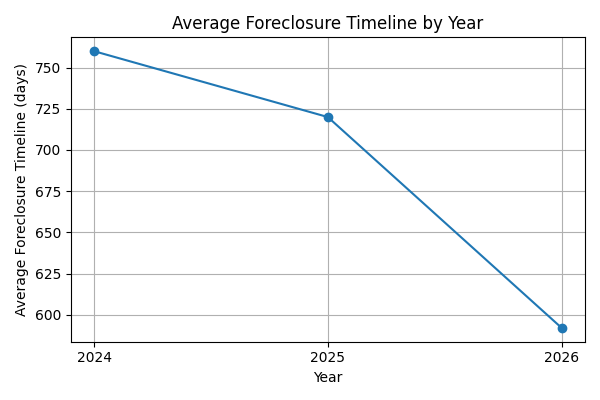
Foreclosures Are Moving Faster in 2026 — Why Short Sale Timing Matters More Than Ever
For years, short sales benefited from one thing above all else: time.
Related topic hub: Foreclosure Urgency. It groups timing-sensitive posts for sale dates, foreclosure pressure, lender postponements, and short sale options.
Long foreclosure timelines gave homeowners, agents, and buyers enough runway to submit offers, negotiate with lenders, and get approvals before an auction date forced everyone’s hand.
That runway is shrinking.
Recent foreclosure data shows that lenders are moving properties through the system faster than they have in years — and that shift has real consequences for anyone relying on short sales as a solution.
If you wait too long, the option may disappear entirely.
Foreclosure Timelines Are Compressing
According to ATTOM’s latest year-end foreclosure data, properties that completed foreclosure in Q4 spent about 592 days in the foreclosure process.
That’s a 22% reduction compared to the prior year and continues a steady downward trend seen throughout 2025.
At the same time:
- Foreclosure filings increased year-over-year
- Starts and completed REOs rose in late 2025
- Overall activity remains below pre-pandemic peaks, but momentum is clearly accelerating
The takeaway is simple: banks are no longer sitting on distressed files as long as they used to.
Why This Changes the Short Sale Playbook
Short sales don’t fail because they’re impossible.
They fail because they’re started too late.
When foreclosure timelines shorten, the margin for error narrows. That means:
- Less time to gather documents
- Less patience from lenders
- Fewer extensions granted once a sale date is scheduled
Homeowners who once had months to decide now have weeks. Agents who delay packaging a file risk losing the deal entirely.
This is why having a clear, early-action process matters more now than ever.
At Crisp, we see this shift firsthand — files that used to allow for delays now require precision and urgency from day one.
Early Action Is No Longer Optional
The most successful short sales today share one thing in common: they start early.
That doesn’t mean panic. It means preparation.
As soon as hardship becomes clear or a notice is issued, the short sale strategy needs to be in motion. That includes:
- Confirming lender status and timelines
- Submitting complete documentation up front
- Setting realistic expectations with all parties
This is where experienced short sale coordination and negotiation makes a real difference. When lenders are moving faster, incomplete or disorganized files simply get pushed aside.
Our role is to keep the file moving, anticipate lender requests, and protect the timeline before foreclosure pressure takes over. That’s exactly how we help homeowners avoid foreclosure with a short sale when time is tight.
What Agents Need to Know Right Now
For real estate agents, the message is clear: waiting is riskier than it used to be.
If you’re listing or receiving offers on a short sale:
- Don’t assume you have months to figure it out
- Don’t wait for a buyer to “get serious” before engaging help
- Don’t underestimate how quickly a sale date can lock in
Agents who bring in experienced support early are far more likely to close — especially in a market where lenders are accelerating timelines.
That’s why so many agents rely on us for helping real estate agents close short sales faster, without taking control away from the listing agent or charging the seller.
The Window Is Smaller — But Still Open
Short sales are not going away. In fact, rising foreclosure activity means more short sale opportunities, not fewer.
But the rules have changed.
The window between hardship and foreclosure is tightening, and success now depends on:
- Speed
- Accuracy
- Experience
When the process starts early and is handled correctly, short sales still protect credit, avoid auctions, and create cleaner exits for homeowners.
When it starts late, foreclosure often wins.
If you’re navigating a potential short sale and want to understand your options before time runs out, the best next step is to start a short sale the right way, with a plan built for today’s faster timelines.

The Hidden Work Agents Don’t See in a Successful Short Sale
Discover the behind-the-scenes work that keeps short sales moving, from document management to lender negotiations.
Most real estate agents only see two moments in a short sale transaction: when the offer is submitted, and when the approval letter finally arrives.
Everything in between often feels like a black box.
From the outside, it can look like nothing is happening. Weeks go by. There are no updates from the bank. The buyer gets impatient. The seller starts to panic. And the agent is left wondering whether the deal is stuck or silently dying.
But the truth is this: a successful short sale is rarely quiet behind the scenes. The real work is constant, detailed, and invisible to anyone not directly managing the file.
Let’s pull back the curtain.
Short Sales Don’t “Process Themselves”
Once an offer is accepted, many people assume the hard part is over. In reality, that’s when the most critical phase begins.
Banks do not move files forward simply because paperwork was submitted. Every short sale requires active management. That means:
- Repeated follow-ups with the lender
- Clarifying inconsistent conditions
- Re-submitting documents that were “lost”
- Correcting internal bank errors
- Escalating stalled files before deadlines expire
Without someone driving the process, files don’t just slow down. They quietly fall to the bottom of the pile. This is exactly why short sale processing and negotiation is its own specialty, not an add-on task.
Document Management Is a Living Process
One of the biggest misconceptions is that short sale paperwork is “submit once and wait.”
In reality, documents are constantly expiring, changing, or being re-requested.
Examples include:
- Paystubs and bank statements aging out
- Hardship letters needing clarification
- Third-party authorizations being rejected
- Seller financials not matching lender calculations
Each time this happens, the file can be paused or pushed backward without notice. Behind the scenes, someone must continuously audit the file, update documents, and confirm that the lender’s internal system reflects the most current information. This is a major part of how we support homeowners through our short sale assistance services and keep files moving instead of stalling.
Negotiations Happen Long Before Approval
When agents think of negotiation, they usually picture the final approval numbers. But most of the negotiation happens quietly, weeks earlier.
This includes:
- Explaining unusual repair credits or concessions
- Addressing junior liens or HOA balances
- Justifying net proceeds to align with investor guidelines
- Preventing unnecessary revaluations
Banks rarely explain why they say “no.” They just do. Someone experienced in short sale negotiation knows how to present the file so those objections never arise in the first place. That work is rarely visible—but it’s the difference between a clean approval and months of back-and-forth.
Weekly Follow-Ups Are Not Optional
Lenders do not proactively update agents. Ever.
If no one calls or emails, nothing happens.
A properly managed short sale includes consistent, documented follow-ups—often weekly or more—confirming:
- The file is still assigned
- No new conditions were added
- No internal transfers occurred
- The negotiator hasn’t changed
This kind of persistence is what prevents files from being reassigned or quietly closed due to inactivity. It’s also why agents who partner with professionals focused on short sale coordination see far fewer surprises late in the deal.
Post-Approval Is a Risk Zone Most Agents Underestimate
Even after approval, deals can still fall apart.
Common issues include:
- Approval letters expiring before closing
- Title issues surfacing too late
- Buyer timelines not aligning with bank conditions
- Missing final lender sign-offs
This phase requires just as much attention as the negotiation itself. Without someone monitoring deadlines and communicating across all parties, approvals can lapse and deals can collapse days before closing. That’s why many agents rely on dedicated support focused on helping real estate agents close short sales faster rather than trying to juggle these details themselves.
Why This Work Is Largely Invisible
If everything is done correctly, agents don’t hear about most of this.
There are no emergencies. No frantic calls. No last-minute disasters.
And that’s exactly the point.
The goal of professional short sale management is not to create noise—it’s to eliminate it. When files are handled properly, agents can focus on listing, marketing, and closing deals while knowing the backend is being actively protected.
If you’ve ever wondered why some short sales feel smooth while others feel impossible, this hidden work is the difference.
Final Thought
Short sales don’t fail because the bank said no. They fail because no one was managing the process when it mattered most. The more invisible the work, the more valuable it usually is.

Why “As-Is” Doesn’t Mean “Hands-Off” in a Short Sale
In a short sale, "as-is" doesn't mean hands-off. Learn why banks still expect access, utilities on, and basic maintenance during the process, plus why inspections and seller cooperation matter to avoid delays.
One of the most common phrases you’ll hear in short sale listings is “sold as-is.” On the surface, it sounds simple. No repairs. No credits. No seller involvement after the offer is accepted.
But here’s the reality most homeowners and even some agents don’t realize:
“As-is” in a short sale does not mean hands-off.
In fact, misunderstanding this single phrase is one of the fastest ways to delay approvals, lose buyers, or derail a deal entirely. Let’s clear up what “as-is” actually means in a short sale—and what responsibilities still remain firmly on the seller’s plate.
What “As-Is” Really Means in a Short Sale
In a short sale, “as-is” simply means the lender is not agreeing to pay for repairs or concessions as part of the approval. The bank is already taking a loss, so they’re not interested in funding upgrades, credits, or post-inspection negotiations.
That’s it.
It does not mean:
- The seller can walk away completely
- The property can be neglected
- Utilities can be shut off
- Inspections don’t matter
- The lender won’t care about condition
Banks still expect the home to be marketable, accessible, and reasonably maintained throughout the process.
Seller Responsibilities Don’t Disappear
Even when a property is listed as-is, sellers still have several ongoing obligations during a short sale.
Access is non-negotiable.
The lender will order a Broker Price Opinion (BPO) or appraisal. If the agent or appraiser can’t access the home, the file stalls. Missed appointments often lead to weeks of delays—or worse, the file being closed.
Utilities usually need to stay on.
Water, electricity, and sometimes gas are required for inspections and valuations. A house with no utilities raises red flags and can result in a lower valuation or rejection altogether.
Basic maintenance still matters.
We’re not talking renovations. But trash removal, securing the property, and preventing obvious damage are critical. A boarded-up, debris-filled home signals neglect and can negatively impact the lender’s decision.
This is where many sellers benefit from understanding how we help manage short sale requirements behind the scenes, making sure nothing small turns into a big delay. (Learn more about our approach to keeping files moving at How We Help.)
Inspections Still Happen—Even “As-Is”
Buyers will almost always inspect, even if they know they can’t ask for repairs.
Why?
- To understand the scope of issues
- To confirm no undisclosed hazards
- To decide if the deal still makes sense
Problems arise when sellers think inspections are optional and deny access, or when agents assume inspection issues don’t matter because it’s a short sale.
Here’s the truth:
If a buyer walks after inspection, you’re starting the short sale process over with a new offer. That can mean new valuations, new negotiators, and months of lost time.
The Lender Is Always Watching
Unlike a traditional sale, a short sale lender stays actively involved from start to finish. They monitor:
- Occupancy status
- Property condition
- Listing activity
- Buyer strength
- Timeline compliance
If a home deteriorates during the process, the bank can:
- Reduce approval terms
- Require updated valuations
- Cancel the short sale entirely
That’s why proactive coordination—especially between the seller, agent, and negotiator—is critical. This is also where helping real estate agents close short sales faster becomes less about paperwork and more about keeping the deal alive. (Details on our agent-focused support are at Who We Serve.)
“As-Is” Doesn’t Mean Emotionally Detached Either
Short sales are stressful. Sellers are often juggling financial strain, relocation, or major life changes. It’s easy to mentally check out once the listing goes live.
But staying engaged—even minimally—can be the difference between:
- A successful approval and clean exit
- Or foreclosure, judgment, and long-term credit damage
The good news is sellers don’t have to handle this alone. With the right guidance, most responsibilities are light, manageable, and clearly defined.
The Right Way to Think About “As-Is”
A better way to frame an as-is short sale is this:
> “No repairs required—but cooperation required.”
When sellers understand that distinction early, expectations are clearer, timelines are smoother, and approvals come faster.
If you’re considering a short sale and want to know exactly what will be expected—before surprises pop up—we walk sellers through every step from day one. You can start the process or ask questions anytime at Start a Short Sale.

What Listing Agents Should Ask Before Accepting a Short Sale Listing
Use this checklist to vet short sale listings and avoid hidden pitfalls. It covers questions about the seller’s delinquency, liens, documentation readiness, emotional preparedness, lender communications, buyer strategy, and backup support.
Short sale listings can be career-makers or career-frustrators for real estate agents. The difference usually comes down to what happens before the listing agreement is signed.
Too often, agents accept a short sale based on price, motivation, or urgency, only to discover weeks later that the file is unworkable, the lender is unresponsive, or the seller was never truly prepared. By that point, you're already deep into unpaid work, uncomfortable conversations, and a listing that refuses to move forward.
The good news? Most short sale problems are predictable. And they can be avoided by asking the right questions upfront.
Below is a practical, experience-driven checklist of what listing agents should ask before taking on a short sale — and why each question matters.
1. Is the Seller Actually Behind on Payments — or Just Underwater?
This is the first and most important distinction.
Many homeowners assume they qualify for a short sale simply because they owe more than the home is worth. But most lenders require some level of financial distress, not just negative equity.
Key things to clarify:
- Are payments current, late, or in default?
- Has a Notice of Default or foreclosure action started?
- Are there hardship events that explain the situation?
This information determines whether a short sale is realistic, how aggressive the timeline may be, and how cooperative the lender is likely to be. It also affects how you price and market the home.
2. How Many Loans Are on the Property — and Who Owns Them?
One mortgage is rarely the full story.
Before accepting the listing, confirm:
- First mortgage
- Second mortgage or HELOC
- Any private notes or seller financing
- HOA or municipal liens
Multiple lienholders mean multiple approvals, separate negotiations, and more room for delays. If the seller doesn't know what's recorded, that's a red flag you'll need help sorting it out early.
This is one of the areas where working with a team experienced in short sale negotiation and coordination can prevent months of avoidable back-and-forth. Many agents lean on partners who handle lien discovery and lender communication as part of how they help agents close short sales faster and with less stress.
3. Has the Seller Completed Financial Documents Before — and Can They Do It Again?
Short sales are paperwork-heavy. There's no way around it.
Ask directly:
- Have you ever submitted financials to a lender before?
- Do you have access to pay stubs, bank statements, tax returns?
- Are you comfortable signing documents electronically and responding quickly?
If the seller is overwhelmed, disorganized, or resistant to documentation, the short sale will stall. Knowing this early helps you decide whether additional support is needed — or whether the listing should be declined.
Experienced short sale processors often step in here to prepare, organize, and submit lender-ready packages, freeing agents to focus on marketing and negotiations instead of chasing documents.
4. Is the Seller Emotionally Prepared for the Process?
This question is rarely asked — and frequently ignored.
Short sales are not quick. They involve uncertainty, lender silence, price opinions that feel unfair, and repeated requests for information. Sellers who are emotionally unprepared often:
- Panic when timelines stretch
- Lose trust mid-process
- Blame the agent for lender delays
Have an honest conversation about expectations:
- Timeline ranges (not promises)
- The lender's control over approvals
- The need for patience and responsiveness
A calm, informed seller is one of the strongest predictors of a successful short sale.
5. Do You Have a Dedicated Plan for Lender Communication?
This is where many short sales quietly fail.
Ask yourself:
- Who will call the lender weekly?
- Who tracks submissions, escalations, and negotiator changes?
- Who ensures nothing gets "lost" in the lender's system?
If the answer is "I'll try to stay on top of it," that's risky. Lenders don't reward passive follow-up. Short sales require consistent, knowledgeable pressure — and a clear communication trail.
That's why many listing agents choose to involve a short sale coordinator or transaction manager before the listing even goes live. It creates structure, accountability, and momentum from day one.
6. Is the Buyer Strategy Clear From the Start?
Not all buyers are short-sale-friendly.
Before accepting the listing, consider:
- Are you targeting owner-occupants or investors?
- Are buyers aware of lender approval timelines?
- Do you have language ready to set expectations upfront?
Educated buyers reduce fallout. Confused buyers cancel contracts. This isn't just a marketing decision — it's a deal-survival decision.
7. Do You Have Backup Support If the File Gets Complicated?
Even clean short sales can get messy:
- New negotiators
- Conflicting valuations
- Junior lien surprises
- Sudden foreclosure deadlines
Smart agents plan for complexity, not perfection.
Having a reliable short sale expert behind the scenes gives you a safety net when things go sideways — without requiring you to become a full-time negotiator yourself.
The Bottom Line
Accepting a short sale listing isn't about bravery — it's about preparation.
Agents who ask the right questions upfront:
- Avoid unworkable listings
- Protect their time and reputation
- Close more short sales with fewer surprises
And agents who pair strong listing skills with experienced short sale support don't just survive these transactions — they turn them into a repeatable, profitable niche.
If you're seeing more short sale opportunities in your market and want a cleaner way to manage them, having the right process in place before the listing goes live makes all the difference.

Short Sale vs Foreclosure in 2026: What Homeowners Still Get Wrong
Short sale or foreclosure? Learn the key differences in 2026, credit impact, timelines, and why acting early can protect your future.
If you’re a homeowner behind on payments in 2026, you’ve probably heard the same advice over and over again: “Just let it go to foreclosure” or “Short sales take forever and never work.”
Both statements are wrong — and believing them can cost homeowners tens of thousands of dollars, years of credit damage, and control over their future.
The reality is that short sales and foreclosures are very different outcomes, and the gap between them has actually widened in recent years. Yet many homeowners still misunderstand how short sales work, what’s changed, and why waiting too long can eliminate good options entirely.
Let’s clear up what people still get wrong.
Misconception #1: A Short Sale Is Basically the Same as a Foreclosure
This is the biggest and most dangerous myth.
A foreclosure is a legal action taken by the lender. Once it’s complete, the homeowner loses the property through a forced sale, often with little notice or control.
A short sale, on the other hand, is a voluntary transaction initiated by the homeowner. You choose the buyer, you negotiate the terms, and you stay involved all the way through closing.
In a short sale, the lender agrees to accept less than what’s owed in order to avoid the time, cost, and risk of foreclosure. That agreement only happens if the file is properly positioned and negotiated — which is where expert short sale negotiation and coordination matter most.
This is exactly why many homeowners seek professional help early through services like short sale assistance and structured lender communication outlined on How We Help.
Misconception #2: Foreclosure Is Faster and Less Stressful
On paper, foreclosure might look “faster.” In reality, it’s often the most stressful route.
Foreclosures in 2026 can still drag on for months — sometimes longer — while fees, penalties, and legal costs continue to pile up. Homeowners deal with uncertainty, court notices, and last-minute surprises.
Short sales are predictable when handled correctly. Timelines are clearer, expectations are managed, and there’s a defined path from offer to approval. With proper short sale processing and lender follow-up, delays can often be minimized instead of multiplied.
Stress usually comes from confusion, not time — and confusion thrives when no one is managing the process.
Misconception #3: Short Sales Destroy Your Credit Just Like Foreclosure
This one still trips people up.
Both outcomes impact credit, but not equally.
A foreclosure is one of the most damaging events that can appear on a credit report. It can affect borrowing ability for years and limit options for housing, financing, and even employment.
A short sale typically causes less severe and shorter-term credit damage, especially when the homeowner works with professionals who ensure the file is coded and reported properly by the lender.
In many cases, homeowners are able to qualify for new housing sooner after a short sale than after a foreclosure. That difference alone can be life-changing.
Misconception #4: If You’re Behind, It’s Already Too Late for a Short Sale
Timing matters — but “too late” comes much later than most people think.
Even homeowners who:
- Have missed multiple payments
- Received default notices
- Are facing an upcoming foreclosure sale
may still qualify for a short sale if action is taken quickly.
The key is knowing how to initiate a short sale properly, gather the correct documentation, and communicate with the lender in a way that pauses foreclosure activity while the file is under review.
This is why early outreach through a short sale expert is so important. Waiting doesn’t help — it only reduces leverage.
If a homeowner wants to understand whether a short sale is still viable, starting the process through Start a Short Sale is often the smartest first step.
Misconception #5: Banks Don’t Approve Short Sales Anymore
Short sales never disappeared — they just became more technical.
In 2026, lenders are still approving short sales every day, but they are stricter about:
- File completeness
- Pricing support
- Buyer strength
- Communication cadence
What’s changed is that incomplete or poorly managed files die quietly. The bank doesn’t always say “no” — it just stops responding.
That’s why agents and homeowners increasingly rely on short sale coordination services that stay on top of valuations, BPOs, negotiator follow-ups, and escalation paths.
This behind-the-scenes work is exactly what Crisp Short Sales provides for homeowners and for agents who need help navigating lender requirements. Learn more about how we support agents through Who We Serve.
The Real Difference Comes Down to Control
At the end of the day, tthe short sale vs foreclosure decision isn’t just about money or timelines.
It’s about control.
A foreclosure removes control entirely. A short sale preserves it.
Homeowners who understand the difference — and act early — usually walk away with:
- Less credit damage
- More dignity
- Better housing options afterward
- Fewer surprises
The problem isn’t that short sales don’t work. It’s that too many people wait until foreclosure is already deciding for them.

Short Sale Burnout Is Real: Why Agents Quit These Deals (And How to Make Them Profitable Again)
If you’ve been in real estate long enough, you’ve probably said it out loud at least once:
“I don’t do short sales anymore.”
Not because you don’t understand them.
Not because you don’t want to help distressed sellers.
But because short sales are exhausting.
They drag on forever.
Banks don’t return calls.
Documents get “lost.”
Buyers walk.
Sellers panic.
And after months of work, the deal dies… or closes for the same commission you could have earned on a clean retail sale that took 30 days.
That’s not a failure on your part. That’s short sale burnout—and it’s very real.
The good news? Agents don’t quit short sales because they’re unprofitable by nature. They quit because the workload is misaligned with how agents are paid. Fix that imbalance, and short sales become manageable, predictable, and yes—worth it again.
Let’s break it down.
Why Short Sales Burn Agents Out
1. The Workload Is Invisible (Until It’s Overwhelming)
On paper, a short sale looks like “just another listing.”
In reality, it’s a second full-time job layered on top of your actual business.
• Constant lender follow-ups
• Endless document requests
• BPO coordination
• Valuation disputes
• Buyer patience management
• Seller emotional support
None of this shows up in MLS. None of it feels productive. And none of it stops just because you have other listings.
By the time most agents realize how much work is involved, they’re already deep in the file.
2. The Timeline Is Out of Your Control
Retail listings reward urgency.
Short sales punish it.
Banks move when they move. Files get reassigned. Reviewers go on vacation. Negotiators change mid-file. What should take 30 days takes 120—or longer.
Agents thrive on momentum. Short sales kill momentum.
When deals sit idle for weeks with no updates, agents feel powerless, and that feeling is the fastest path to burnout.
3. The Risk-to-Reward Ratio Feels Backwards
Let’s be honest.
If a short sale closes in 5 months for the same commission as a clean deal that closes in 30 days, it’s hard not to resent the file.
Worse, many short sales never close at all.
After a few of those experiences, most agents decide the risk simply isn’t worth it—and they quietly stop taking these listings altogether.
Why Walking Away Is a Missed Opportunity
Here’s the irony:
Short sales are one of the few niches where expertise actually matters more than marketing.
Most agents avoid them.
Most sellers are overwhelmed.
Most buyers are cautious.
That means agents who can handle short sales correctly stand out immediately.
The problem isn’t short sales themselves.
It’s that agents are doing the wrong job inside the transaction.
The Real Fix: Stop Being the Short Sale Processor
Successful agents don’t burn out on short sales because they’ve learned one key lesson:
You don’t have to personally manage lender negotiations to control the listing.
When agents try to do everything—pricing, marketing, negotiations, document collection, lender follow-ups— they get crushed.
When agents delegate the backend work, everything changes.
This is exactly where Crisp Short Sales fits in.
How Short Sales Become Profitable Again
1. You Focus on Selling, Not Chasing Banks
When Crisp handles the short sale processing, you stay in your lane:
• Listing strategy
• Buyer communication
• Showing activity
• Contract negotiation
• Client relationships
Meanwhile, we manage the lender side—document collection, submissions, follow-ups, valuations, and approvals.
This is the exact work agents hate most, and the exact work we specialize in. Learn more about how we help agents streamline short sale transactions by taking the backend off your plate.
2. Timelines Become Predictable
No short sale is “fast,” but predictable is what matters.
When a file is actively managed and followed up on consistently, agents can:
• Set realistic expectations with sellers
• Keep buyers engaged
• Reduce fallout
• Protect their time
Predictability reduces stress more than speed ever could.
3. You Keep the Full Commission—Without the Full Burden
Here’s the part most agents don’t realize:
Crisp is not paid by the agent or the seller.
We’re compensated by the buyer side at closing, which means agents can offload the hardest part of the transaction without sacrificing their commission.
If you work with investors, hedge funds, or cash buyers, this setup is especially powerful. It allows you to offer short sale listings again without reopening the burnout door.
See exactly who we serve and how agents use us behind the scenes to keep deals moving without added risk.
Why Agents Who Quit Short Sales Are Coming Back
Market shifts bring distress with them. As short sales re-enter the conversation, agents who walked away years ago are facing them again—often unwillingly.
The agents who succeed this time around aren’t tougher. They’re smarter.
They’ve stopped treating short sales like a DIY project and started treating them like a team effort.
If you have a short sale listing—or one headed that direction—starting early matters. The earlier the file is structured correctly, the smoother everything downstream becomes.
If you’re ready to stop dreading these deals and start controlling them again, you can start a short sale the right way here and keep your business moving forward.
Final Thought
Short sale burnout doesn’t mean you’re bad at real estate.
It means you were doing too much of the wrong work for too long.
Handled correctly, short sales can still be a profitable niche—without draining your time, energy, or sanity.
The “Silent Foreclosure” Phase: When Homeowners Don’t Realize Time Is Running Out
Most homeowners think foreclosure starts when they get a court notice or sale date, but by then it's too late. Discover why the silent foreclosure phase is the best time to start a short sale.
Most homeowners think foreclosure starts when they get a court notice or see a sale date posted online. By the time that happens, it’s usually too late.
Related topic hub: Foreclosure Urgency. It groups timing-sensitive posts for sale dates, foreclosure pressure, lender postponements, and short sale options.
What actually puts sellers at the most risk is something I call **the silent foreclosure phase**. It’s the stretch of time after mortgage payments are missed but before the lender makes any loud moves. No letters taped to the door. No auction notices. No urgency from the bank.
And that silence is exactly what gets people in trouble.
### What the Silent Foreclosure Phase Really Is
The silent foreclosure phase typically begins **after 2–3 missed mortgage payments** and can last several months depending on the lender, loan type, and state.
During this period:
- The loan is delinquent
- Late fees and penalties are stacking
- The account may already be flagged internally for foreclosure review
- Loss mitigation clocks are quietly running
But from the homeowner’s perspective, nothing seems urgent yet. Maybe a few letters show up. Maybe a couple calls get ignored. Life keeps moving.
That false sense of calm is dangerous.
### Why Homeowners Misjudge the Risk
Most sellers don’t act early because:
- They assume they’ll “catch up later”
- They expect the lender to warn them before anything serious happens
- They don’t realize foreclosure timelines start **before** legal notices
- They think short sales only work right before foreclosure
In reality, the opposite is true. **The earlier a short sale starts, the more control everyone has.**
By the time a foreclosure sale date is scheduled, options narrow fast. During the silent phase, flexibility is still on the table.
### This Is the Best Window for a Short Sale
The silent foreclosure phase is often the **sweet spot** for a successful short sale.
Why?
- The lender isn’t rushed yet
- Loss mitigation teams are more responsive
- There’s time to properly price the property
- There’s room to negotiate hardship, value, and terms
- Foreclosure fees haven’t fully ballooned
This is exactly where structured short sale coordination makes the biggest difference. Instead of reacting to deadlines, the process is proactive and controlled.
That’s why sellers who engage early often qualify for **better outcomes**, including smoother approvals and, in many cases, relocation assistance paid at closing. Those options are typically explored as part of how we help sellers navigate the short sale process from the inside, not at the last minute.
### Why Doing Nothing Is the Worst Move
Here’s what happens when sellers wait too long:
- The loan advances to foreclosure counsel
- Legal fees get added to the payoff
- Negotiators change
- Response times slow down
- Approval windows shrink
- Buyers walk when timelines get tight
At that point, even strong offers struggle to survive.
This is why so many short sales fail not because they were impossible, but because they were started **too late**.
### What Agents and Buyers Often Miss
From the outside, a listing might look “early-stage distressed” or “not urgent yet.” But internally, lenders are already tracking timelines.
Agents who recognize the silent foreclosure phase can:
- Price more strategically
- Set realistic expectations upfront
- Protect their listing from unnecessary delays
- Avoid scrambling once urgency hits
For agents, having experienced short sale support early on is often the difference between a smooth closing and months of frustration. This is exactly why we focus on helping real estate agents close short sales faster by stepping in before files turn chaotic.
### The Right Time to Start Is Earlier Than You Think
If a homeowner has missed payments, received a default notice, or is feeling financial pressure but hasn’t seen foreclosure paperwork yet, that’s not “too early.”
That’s ideal.
Short sales are not emergency exits. They’re structured solutions that work best when there’s still time to manage the process correctly.
If you’re a homeowner wondering whether you still have options, or an agent trying to protect a listing before things spiral, the smartest move is to start the conversation now. The first step is simply to start a short sale review and see where the file really stands.
Silence from the lender doesn’t mean safety. It usually means the clock is already running.

Why Banks Counter Short Sale Offers That Make No Sense (And What’s Really Going On)
Banks often counter short sale offers above market value due to flawed valuations, investor overlays, and testing buyer commitment. Learn why these unreasonable counters happen and how experienced negotiation can turn them into approvals.Banks often counter short sale offers above market value due tbuyer commitment. Learn why these unreasonable counters happen and how experienced negotiation can turn them into approvals.Banks often counter short sale offers above market value due to flawed valuations, investor overlays, and testing buyer commitment. Learn why these unreasonable counters happen and how experienced negotiation can turn them into approvals.Banks often counter short sale offers above market value due to flawed valuations, investor overlays, and testing buyer commitment. Learn why these unreasonable counters happen and how experienced negotiation can turn them into approvals.Banks often counter short sale offers above market value due to flawed valuations, investor overlays, and testing buyer commitment. Learn why these unreasonable counters happen and how experienced negotiation can turn them into approvals.Short sales often rise quietly long before foreclosure statistics confirm market stress. Here’s why watching short sale activity gives earlier insight than waiting on foreclosure data.
If you’ve ever submitted what looked like a clean, market-value short sale offer—only to get a counter that feels completely detached from reality—you’re not alone.
Related topic hub: BPO and Short Sale Pricing. It covers high BPOs, counteroffers, valuation disputes, offer strategy, and pricing problems.
Agents and buyers often ask the same question:
“Why would the bank counter at a number no buyer would ever pay?”
The short answer: it’s usually not personal, not emotional, and not random.
The long answer is where things get interesting—and where most short sales either die or get saved.
Let’s break down why banks counter short sale offers that don’t make sense, what’s really happening behind the scenes, and how experienced short sale negotiation can flip the outcome.
The BPO Is Driving the Bus (Even When It’s Wrong)
Most short sale counters are rooted in one thing: the Broker Price Opinion (BPO).
Here’s the problem. BPOs are often:
- Rushed
- Based on bad comps
- Completed by agents unfamiliar with the neighborhood
- Influenced by outdated or irrelevant sales
Yet once a value is entered into the lender’s system, it becomes the anchor for the entire negotiation. The negotiator may not have authority to ignore it—even if the offer makes perfect sense.
This is why banks counter at numbers that feel inflated or unrealistic. They’re reacting to an internal valuation, not the open market.
A big part of helping real estate agents close short sales faster is challenging bad BPOs early, before the file gets locked into an unrealistic number.
Automated Valuation Models (AVMs) Add Another Layer of Confusion
In addition to BPOs, many lenders rely on AVMs (Automated Valuation Models).
These tools:
- Don’t account for condition
- Ignore layout issues
- Miss deferred maintenance
- Assume uniformity across neighborhoods
So even when the BPO is decent, an AVM may still push the bank higher. When the two don’t align, banks often default to the higher value “just to be safe.”
From the outside, the counter looks absurd. On the inside, the negotiator is just checking boxes.
This is where short sale processing and negotiation experience matters—because knowing why the number exists determines how to dismantle it.
Investor Overlays: The Hidden Hand Behind the Counter
Many short sales are not controlled solely by the servicer. They’re subject to investor overlays.
That means:
- The servicer wants approval
- The investor sets stricter thresholds
- Negotiators have limited flexibility
- Logic doesn’t always win on the first pass
Some investors require:
- A minimum net
- A percentage of BPO value
- Multiple counter rounds by default
So even if the bank expects to accept your price later, policy forces a counter first.
Understanding these rules is a core part of short sale approval assistance, especially when trying to keep buyers from walking away out of frustration.
Why “Just Countering Back” Often Makes Things Worse
A common mistake agents make is responding emotionally:
- Immediate counter-back
- No supporting documentation
- No value narrative
- No condition breakdown
That approach almost never works.
Banks respond to evidence, not opinions:
- Repair estimates
- Condition photos
- Market time data
- Failed previous listings
- Buyer fatigue indicators
When we step in to help with a short sale, our focus isn’t speed—it’s leverage. The goal is to reset expectations inside the lender’s system, not just react to the number they sent.
The Buyer Psychology Factor Everyone Ignores
Another reason banks counter high? They’re testing buyer commitment.
From the lender’s perspective:
- Serious buyers stay engaged
- Weak buyers disappear
- Time filters out noise
The danger is that many good buyers walk—not because they aren’t serious, but because no one explains what’s happening.
Part of effective short sale coordination is managing expectations on all sides so deals don’t collapse due to silence or confusion.
How Experienced Negotiation Changes the Outcome
Here’s the difference between stalled short sales and approved ones:
- Challenging the BPO instead of accepting it
- Reframing value using lender language
- Escalating intelligently (not emotionally)
- Timing counters strategically
- Keeping buyers engaged through uncertainty
This is exactly why agents partner with specialists instead of trying to fight these battles alone.
If you’re handling multiple listings, managing showings, and keeping buyers alive, adding lender negotiations on top can derail everything. That’s where short sale transaction management becomes less of a luxury and more of a necessity.
When a “Nonsense Counter” Is Actually a Good Sign
Believe it or not, some of the strangest counters mean:
- The file is active
- The negotiator is engaged
- The investor is reviewing
- Approval is possible
Silence kills deals faster than bad numbers.
Knowing when to push, when to wait, and when to escalate is the difference between months wasted and a clean closing.
If you want a clearer picture of how this works behind the scenes, take a look at how we handle lender negotiations and short sale approvals from start to finish on our site.
The Bottom Line
Banks don’t counter short sale offers to be difficult.
They counter because:
- Systems are rigid
- Valuations are flawed
- Investors control the rules
- Negotiators have limited discretion
Understanding this turns frustration into strategy.
And when short sales are handled correctly, those “nonsense” counters often become approvals—without burning the buyer, the agent, or the seller in the process.
If you have a short sale where the bank’s response feels completely detached from reality, it may be time to start a short sale review with an experienced negotiator and reset the conversation before the deal falls apart.

Why Short Sales Quietly Spike Before Foreclosures Show Up in the Data
Short sales often rise quietly long before foreclosure statistics confirm market stress. Here’s why watching short sale activity gives earlier insight than waiting on foreclosure data.
If you wait for foreclosure statistics to confirm a housing downturn, you are already late.
That might sound dramatic, but anyone who has lived through multiple market cycles knows this truth well: short sales rise quietly long before foreclosure numbers make the news. By the time foreclosure filings spike, the underlying distress has already been building for months, sometimes years.
At Crisp Short Sales, we see this pattern over and over again. And understanding it can make a major difference for homeowners trying to protect their equity, agents trying to save deals, and investors trying to read the market correctly.
Distress Starts Long Before Default
Homeowner distress rarely begins with a missed payment. It usually starts much earlier:
- A job loss or income reduction
- Medical expenses
- Divorce or separation
- Rising adjustable mortgage payments
- Increased insurance and property taxes
- Declining home values or stalled appreciation
At this stage, most homeowners are still current. They are not in foreclosure. There is no public record. But behind the scenes, they are starting to explore options.
This is when short sales quietly begin to surface.
Homeowners often ask agents questions like:
- “What happens if I sell for less than I owe?”
- “Can I sell before I miss payments?”
- “Will the bank work with me?”
These conversations never show up in foreclosure data, but they absolutely show up in short sale activity.
Why Foreclosure Data Lags Reality
Foreclosure statistics are backward-looking by nature. They measure what has already happened, not what is currently unfolding.
Here is the typical timeline:
- Financial strain begins
- Homeowner explores options (short sale, modification, refinance)
- Short sale attempts begin
- Payments are missed
- Default notices are filed
- Foreclosure filings increase
- Headlines appear
By the time steps 6 and 7 occur, short sales have often been rising quietly for months.
This is why waiting for foreclosure data to “confirm” a trend is misleading. The early warning signs are almost always found in short sale volume, not foreclosure filings.
Why Short Sales Are the First Choice (At First)
Short sales appeal to homeowners early in distress for several reasons:
- They are proactive, not reactive
- Credit damage is often less severe than foreclosure
- There is a sense of control over the process
- Many homeowners can receive relocation assistance at closing
- Selling before foreclosure feels less traumatic
In other words, short sales represent *hope*. Foreclosure represents *exhaustion*.
As long as homeowners believe they have options, they try a short sale first.
This is exactly why having experienced short sale support early matters. A properly handled file can preserve options, protect timelines, and reduce stress for everyone involved. That is the core of how we approach short sale negotiation and coordination through our proven process on our How We Help page.
What Causes the Shift From Short Sales to Foreclosures
When short sales are mishandled or delayed, momentum is lost.
Common failure points include:
- Incomplete or outdated documentation
- Unrealistic pricing strategies
- Missed lender deadlines
- Poor communication with servicers
- Buyers walking after long delays
When these issues stack up, homeowners lose confidence. Payments fall further behind. Legal timelines accelerate. At that point, foreclosure becomes the default outcome, not because it was preferred, but because time ran out.
This is why short sales require precision. They are not forgiving processes. And once the window closes, it rarely reopens.
What Realtors and Investors Should Watch For
If you want to understand where the market is heading, do not just watch foreclosure filings. Watch these signals instead:
- Increased short sale inquiries
- Listings marked “subject to bank approval”
- Longer approval timelines
- More price reductions on distressed listings
- Higher buyer fallout on short sale deals
These indicators appear well before foreclosure statistics shift.
For agents, this is the moment where having reliable backend support makes the difference between listings expiring and closings happening. Many professionals choose to partner with specialists who focus exclusively on helping real estate agents close short sales faster, as outlined on our Who We Serve page.
What This Means for Homeowners Right Now
For homeowners, the takeaway is simple: earlier is better.
Waiting until foreclosure notices arrive removes leverage. Selling while options still exist preserves flexibility and often leads to better outcomes. Even homeowners who are unsure whether a short sale is necessary benefit from understanding the process sooner rather than later.
That is why we encourage sellers and agents alike to start with education and clarity. Our Start a Short Sale page exists for exactly this reason, to help people understand what is possible before timelines dictate the outcome.
The Quiet Signal Most People Miss
Short sales are not just transactions. They are signals.
They signal early stress. Early decision-making. Early attempts to solve problems before they become public, legal, and irreversible.
When you see short sales increasing, you are not seeing the bottom of the market. You are seeing the beginning of a shift that will show up in the data later.
Those who understand this do not panic when headlines arrive. They have already adjusted.

The Myth of the “Easy” Short Sale: What HGTV Never Shows
Think short sales are easy? Here’s what HGTV never shows about lender approvals, valuations, and why most deals fail.
If you’ve ever watched HGTV, you’ve seen it happen a hundred times.
The homeowner is stressed. The agent swoops in. A deal magically comes together. Cue dramatic music, a few tense moments, and then boom… problem solved in under 30 minutes of airtime.
Short sales, unfortunately, do not work like HGTV.
In real life, short sales are one of the most complex transactions in residential real estate, and the idea that they’re “easy” is one of the biggest myths still floating around the industry. That myth costs agents time, sellers peace of mind, and deals their chance of ever closing.
Let’s pull back the curtain on what actually happens behind the scenes.
Why Short Sales Look Easy From the Outside
From the outside, a short sale seems straightforward:
• Seller owes more than the home is worth
• Buyer makes an offer
• Bank agrees
• Everyone moves on
That’s the highlight reel. What HGTV doesn’t show is the months of lender communication, documentation reviews, valuation battles, and internal bank approvals required to make that “simple” ending happen.
Unlike a traditional sale, you’re not negotiating with one motivated party. You’re negotiating with a system.
Lenders Don’t Think Like Sellers (or Buyers)
Here’s the first reality check: banks are not emotional, flexible, or fast.
Every short sale file goes through multiple layers:
• Loss mitigation review
• Financial analysis of the seller
• Property valuation (often multiple times)
• Investor approval
• Final settlement review
Each department has its own checklist, timeline, and tolerance for error. One missing document can send the file back to the beginning of the queue.
This is why clean, lender‑ready packaging matters so much. At Crisp Short Sales, this is exactly how we help deals survive the process by handling the coordination, documentation, and negotiations from day one through approval. You can see more detail on our short sale coordination process
The Valuation Games Nobody Warns You About
HGTV loves before‑and‑after numbers. Lenders love something else entirely: defensible value.
BPOs and appraisals are rarely a one‑and‑done event in a short sale. Values can come in high, inaccurate, or completely disconnected from reality. When that happens, the bank doesn’t just shrug and move on. They push back.
This is where many short sales stall indefinitely. Without someone who understands how to challenge valuations, submit comps properly, and communicate with asset managers, deals sit. Buyers lose patience. Sellers lose hope.
That’s not drama for TV. That’s real money and real lives on hold.
Documentation Is the Silent Deal Killer
Short sales are document‑heavy for a reason. The bank is forgiving debt, and they want proof that it’s justified.
We’re talking:
• Financial statements
• Hardship letters
• Pay stubs and bank statements
• Tax returns
• Authorization forms
• Updated documents… again and again
HGTV never shows the fourth request for an updated bank statement or the lender rejecting a package because one page was scanned sideways.
This is why agents who try to “figure it out as they go” often regret it. The margin for error is slim, and lenders do not coach you through mistakes.
For agents who prefer to focus on selling while someone else handles the heavy lifting, this is where partnering with a dedicated short sale processor makes sense. Our work is designed specifically for agents and investors navigating these files: Who We Serve
Timelines Are Not Linear
Another myth HGTV loves: timelines that move in a straight line.
Short sales move in starts, stops, pauses, and reversals. Files get escalated, reassigned, frozen, reopened, and sometimes re‑underwritten entirely. A deal that feels “almost approved” can still be weeks or months away from the finish line.
That unpredictability is exactly why experienced guidance matters. Knowing when to push, when to wait, and when to escalate is the difference between a file that closes and one that quietly dies.
What Sellers Really Experience
For homeowners, HGTV’s version is especially misleading.
Short sales are emotional. Sellers are often dealing with job loss, divorce, illness, or financial exhaustion. The last thing they need is false confidence followed by long periods of silence.
A properly managed short sale gives sellers clarity, communication, and realistic expectations. That’s how short sales help homeowners avoid foreclosure with dignity, rather than turning into another stressful chapter.
If a homeowner is ready to explore their options, starting the process early makes all the difference. Start a Short Sale
The Truth HGTV Leaves Out
Short sales are not impossible. They’re just misunderstood.
They require:
• Experience
• Patience
• Precise documentation
• Strategic negotiation
• Relentless follow‑up
When done correctly, short sales protect sellers, save agents time, and allow buyers to close deals that would otherwise fall apart. But they are never “easy,” and anyone who tells you they are hasn’t lived inside one.
Behind every successful short sale is a system, not a shortcut.
And that’s the part HGTV never shows.
What Listing Agents Don’t See: The Behind-the-Scenes Work That Gets Short Sales to Closing
From the outside, a short sale can look deceptively simple.
Offer accepted. Documents uploaded. Waiting on the bank.
From the inside? It’s organized chaos.
Most listing agents only see what’s visible on the surface: portal updates, lender emails, occasional requests for paperwork. What they don’t see is the constant behind-the-scenes effort required to keep a short sale alive, moving forward, and on track for closing.
After more than 15 years handling short sales across the country, I can tell you this with certainty: short sales don’t fail because of pricing alone. They fail because the invisible work doesn’t get done.
### The Short Sale "Middle" Is Where Deals Live or Die
Everyone knows the beginning of a short sale. Everyone celebrates the approval. But the middle? That’s where deals quietly fall apart.
Once an offer is accepted, the file enters a long stretch filled with lender reviews, valuation disputes, document verifications, and timeline landmines. This is where most agents lose control without realizing it.
Behind the scenes, a properly managed short sale requires:
- Daily file monitoring
- Proactive lender communication
- Anticipating objections before they become denials
- Relentless follow-up across multiple departments
### Lender Calls Aren’t Check-Ins. They’re Negotiations.
One of the biggest misconceptions is that calling the lender is just about getting an update. It’s not.
Every call is an opportunity to:
- Clarify conditions before they’re issued incorrectly
- Push back on inflated valuations
- Confirm internal notes match submitted documents
- Prevent silent file stagnation
Most lenders won’t call you when something is wrong. They’ll just… wait. And waiting is how files die.
### Valuations: The Quiet Deal Killers
BPOs and appraisals are often treated as formalities. They’re not.
A bad valuation can derail a deal instantly, and most agents never see the internal reasoning behind it. Effective short sale coordination includes:
- Reviewing valuation data line by line
- Identifying inappropriate comps
- Submitting valuation challenges with supporting evidence
- Following up to ensure the challenge is actually reviewed
### Document Management Is a Moving Target
Another hidden reality: lenders don’t review documents once. They review them repeatedly.
Files are often reassigned, reopened, or re-underwritten. That means:
- Updated financials
- Re-signed authorizations
- Re-explained hardship letters
Miss one update, and the file quietly pauses.
### Approval Letters Aren’t the Finish Line
Even approved short sales fall apart more often than people realize.
Why? Because approval letters include:
- Expiration dates
- Hidden conditions
- Repair or occupancy requirements
- Buyer qualification clauses
Someone has to dissect that letter immediately and coordinate next steps across escrow, buyers, sellers, and lenders.
### Why Agents Partner Instead of DIY
Most agents can manage a short sale. Very few have the bandwidth to manage it well.
That’s why many choose to partner with specialists focused exclusively on short sale support and closing services. It allows agents to:
- Stay client-facing
- Focus on pricing, marketing, and negotiation
- Avoid lender bottlenecks
- Protect their reputation when timelines stretch
### The Invisible Work Is the Real Work
Short sales aren’t saved by luck. They’re saved by systems, experience, and persistence.
At Crisp, our role is simple: We do the behind-the-scenes work so agents can stay in front of their clients with confidence.
Learn more: How We Help | Who We Serve | Start a Short Sale

Top 5 Things Every Homeowner and Agent Should Know About Short Sales in 2026
Short sales are changing in 2026. Learn the top 5 things homeowners and agents must know to avoid delays, denials, and deal failures.
Short sales are officially back in the conversation — but 2026 short sales are not the same as 2010 short sales, and anyone treating them that way is going to make costly mistakes.
Rising interest rates, tighter affordability, and growing payment shocks from loan modifications are pushing more homeowners into negative equity situations. At the same time, lenders are more structured, more automated, and far less forgiving of sloppy submissions.
If you’re a homeowner exploring options or an agent handling a distressed listing, here are the top five things you must understand about short sales in 2026 to avoid delays, denials, or outright deal failure.
- Short Sales Are More Common — But Also More Scrutinized
Yes, short sales are increasing again. But lenders are not panicking like they did during the last crisis.
In 2026, banks assume:
- Sellers understand the process better
- Agents are more educated
- Files should be cleaner and more complete
That means less tolerance for missing documents, inconsistent numbers, or vague hardship explanations.
A short sale that might have squeaked through years ago will now stall or be denied if:
- Financials don’t match tax returns
- The hardship letter lacks clarity
- The offer package isn’t airtight from day one
This is why working with a team that focuses specifically on short sale processing and lender negotiations matters more than ever. At Crisp Short Sales, our entire model is built around how we help homeowners and agents package, submit, and negotiate short sales the way lenders expect in today’s environment — not the way they used to.
- Timeline Expectations Have Changed (For Better and Worse)
One of the biggest myths heading into 2026 is that "short sales always take forever."
The truth is more nuanced.
In 2026:
- Clean files can move faster than ever due to lender automation
- Messy files take longer than ever because lenders won’t chase missing items
If a short sale is submitted correctly:
- Decision timelines of 45–90 days are realistic
- Some files move even faster with complete documentation
If it’s not:
- Files sit untouched
- Negotiators rotate
- Deadlines are missed
- Buyers walk
This is why many agents now choose short sale coordination support instead of handling everything themselves. Delegating the backend work allows agents to keep listings alive while ensuring lenders stay engaged — which is exactly how we support agents through our short sale assistance services for realtors.
- Seller Incentives Are Still Real — But Must Be Structured Correctly
One of the most misunderstood parts of modern short sales is relocation assistance, often referred to casually as "cash at closing."
In 2026:
- Many lenders still allow seller relocation incentives
- But they must be disclosed, approved, and structured correctly
- Side agreements or informal promises can kill approvals
When done right:
- Sellers can receive funds at closing to help with moving expenses
- The transaction stays compliant
- Everyone stays protected
When done wrong:
- Lenders flag the file
- Buyers get nervous
- Deals collapse late in the process
This is why sellers benefit from working with professionals who understand how relocation assistance fits into a compliant short sale strategy, not as an afterthought. If you’re unsure how this works, our short sale approval assistance process is designed to address these details early — not at the closing table.
- Buyer Type Matters More Than Ever
In 2026, lenders absolutely care who the buyer is.
Not all offers are viewed equally, even at the same price.
Lenders now heavily weigh:
- Buyer strength
- Proof of funds
- Closing reliability
- Past short sale performance
Strong buyers:
- Get faster responses
- Face fewer counteroffers
- Are trusted to close once approved
Weak or unprepared buyers:
- Trigger additional reviews
- Create delays
- Increase the risk of denial
This is why experienced short sale teams often help agents position offers strategically, not just submit the highest number on paper. At Crisp Short Sales, part of how we serve agents and investors is ensuring offers are presented in a way lenders take seriously — because approvals aren’t just about price anymore.
- Short Sales Are Now a Strategy — Not a Last Resort
Perhaps the biggest shift in 2026 is mindset.
Short sales are no longer viewed only as:
- A foreclosure alternative
- A desperate move
- A failure
They are increasingly used as a proactive financial strategy.
Homeowners are choosing short sales to:
- Avoid foreclosure damage
- Exit unaffordable properties
- Relocate cleanly
- Reset financially without years of fallout
Agents are embracing short sales because:
- Listings stay active
- Sellers stay cooperative
- Closings are more predictable with proper support
When done correctly, a short sale in 2026 can be a controlled, professional transaction — not an emotional scramble.
That’s why more homeowners and agents are starting with a conversation instead of waiting for default notices. If you’re considering this path, the smartest first step is understanding your options early through a guided start-to-finish short sale process rather than guessing your way through it.
Final Thought: 2026 Rewards Preparation
Short sales aren’t harder in 2026 — they’re just less forgiving.
The winners are:
- Prepared sellers
- Informed agents
- Buyers who understand the process
- Teams who specialize instead of multitask
If you approach short sales with yesterday’s playbook, you’ll struggle. If you approach them with clarity, structure, and expert support, they remain one of the most effective tools in today’s market.

Foreclosure vs Short Sale in 2026
Foreclosure pressure rising? See when a short sale may still protect the seller and what agents should move before time runs out.
Related topic hub: Foreclosure Urgency. It groups timing-sensitive posts for sale dates, foreclosure pressure, lender postponements, and short sale options.
Fast Answer: Foreclosures and Short Sales in 2026
Short sales fit the 2026 foreclosure market when a homeowner needs to sell but the payoff, fees, and closing costs are higher than the property value. Acting before the foreclosure sale date gives the lender more time to review hardship, approve an offer, and consider a better recovery than auction.
What To Watch Before Foreclosure Escalates
- Check whether missed payments, liens, or equity gaps make a normal sale impossible.
- Track foreclosure notices and auction dates before the file becomes urgent.
- Get short sale processing started while there is still enough time to negotiate.
Foreclosures in 2026 may not explode overnight, but pressure is building in pockets where homeowners have less equity and fewer easy exits. The short sale opportunity appears before the auction date, when agents can still help sellers avoid the worst outcome and keep the transaction controlled. If you’ve been in real estate long enough, you can feel it in your bones before the headlines catch up: distress is creeping back into normal conversation.
Not “2008 normal” (thankfully). More like “a growing slice of the market that agents, investors, title, and homeowners need to be ready for again” normal.
Going into 2026, most indicators point to a slow but steady rise in distress sales across the U.S., mostly driven by affordability pressure, higher-for-longer rates, and pockets of borrower stress. Foreclosure activity has already been trending up in 2025, with ATTOM reporting year-over-year increases and higher foreclosure starts and completed foreclosures.
Distress won’t explode, but it should keep growing (and “normalize”)
Here’s the important distinction: we’re not talking about a tsunami. We’re talking about a tide that keeps coming in.
Delinquencies have been relatively stable nationally, but with subtle signs of stress increasing in late-stage missed payments and serious delinquencies. Meanwhile, foreclosure activity has been rising year-over-year in multiple monthly snapshots.
That combination usually means:
- More homeowners entering hardship situations
- More files getting “stuck” (loss mitigation dragging, missing docs, repeated requests)
- More agents dealing with short sale questions they haven’t had to answer in a while
And when distress becomes more common, it becomes more “transactional.” Less shock. More process. That’s what “normalizing” looks like.
Mortgage rates should ease… but not enough to magically fix affordability
A big reason distress grows is simple: monthly payments are still heavy.
Fannie Mae’s ESR forecast (as of Sep 2025) projected mortgage rates ending 2026 around 5.9%, with sales improving versus 2025. That’s meaningful progress, but it’s not the 3% world everyone is still emotionally attached to.
MBA commentary has also suggested rates could remain above 6% for stretches, even as inventory loosens.
So the practical 2026 reality is:
- Some sellers still can’t “just list it” if the home needs work or equity is tight
- Payment shock stays a thing for homeowners who’ve had life changes (job, divorce, health, taxes/insurance)
- Short sales stay relevant because the affordability squeeze isn’t gone
The distress map will be uneven (and that matters for agents)
Distress doesn’t rise evenly across the country. It clusters.
ATTOM’s state-level and monthly reporting has repeatedly shown higher foreclosure starts in big-population, high-volume states like Florida, Texas, and California (among others). That doesn’t mean those states are “bad.” It means volume and certain borrower profiles create more raw activity.
In 2026, I’d expect the “hot spots” to be driven by:
- High insurance/property tax areas (payment creep is real)
- Markets where investor-owned rentals are more common (tenant issues + vacancy + repairs can flip a landlord fast)
- Areas with slower job growth or industry-specific layoffs
- Older housing stock (deferred maintenance is a silent budget killer)
If you’re an agent, the takeaway is simple: even if your MLS looks fine overall, you may see more distress in specific neighborhoods, price points, and property conditions.
Short sale volume grows when lenders get faster (yes, really)
Here’s a counterintuitive truth: short sales increase when lenders start processing them more efficiently.
When loss mitigation teams are overwhelmed or slow, deals die. When they get staffed up and systems get streamlined, more short sales actually make it to the finish line.
That’s why having a clean, repeatable workflow matters. If you want a quick overview of what that workflow looks like in real life (without the chaos), This is exactly the kind of short sale processing support we provide every day at Crisp.
In 2026, the winners will be the people who treat short sales like a normal listing type
Agents who thrive in a rising-distress market don’t become “short sale gurus” overnight.
They do a few simple things consistently:
- They qualify the situation early (hardship, liens, occupancy, mortgage type, timelines)
- They price correctly based on lender reality (not hope)
- They run the file like a project: documents, portals, update cadence, and deadlines
- They keep the buyer’s side calm and moving so the deal doesn’t rot
This is why our model is built around helping real estate agents close short sales faster without the agent having to become a negotiator, portal jockey, and therapist all at once.
Homeowners will need clarity, not hype
When homeowners are in trouble, they get bombarded with two flavors of noise: doom (“you’re definitely losing the house”) or hype (“we can stop foreclosure instantly!”).
In 2026, the biggest value you can provide a homeowner is a calm, honest path:
- What options are real
- What timelines look like
- What documents are needed
- What “approval” actually means (and what it doesn’t)
The 2026 bottom line
Distress is likely to keep rising and becoming a more normal part of the market in 2026, but it should look more like a gradual expansion than a crash. Foreclosure activity has already been trending upward year-over-year in 2025 data, and mortgage rates are expected to ease only modestly.
So if you’re an agent or investor, the best move is not to panic.
It’s to prepare:
- Know how to spot a short sale early
- Know what kills these deals (and how to prevent it)
- Have a repeatable process (or partner) ready before the file gets ugly
Because in 2026, short sales won’t be some rare, weird unicorn deal.
They’ll just be… Tuesday.

2025 U.S. Short Sale & Foreclosure Trends: Year-End Market Review
A deep look at short sale and foreclosure activity in the U.S. in 2025 with key year-over-year stats and what it means for homeowners and agents.
Introduction
As the dust settles on another tumultuous year in housing, 2025 has shown that financial strain on homeowners remains a defining theme. With elevated mortgage rates, ongoing affordability challenges, and fluctuating inventory levels, both short sales and foreclosures have drawn increased attention from real estate professionals, lenders, buyers, and sellers alike.
In this year-end market review, we’ll break down the key trends in short sales and foreclosures across the U.S., provide year-over-year comparisons, and highlight what these signals mean for real estate agents and homeowners navigating distressed property markets.
Short Sales: Rising From the Shadows (But Still Small)
Short sales—the process where lenders agree to accept less than what a homeowner owes to avoid foreclosure—have begun to resurface as a more noticeable part of the overall market.
Unlike the mid-2000s, when short sales accounted for a significant share of distressed transactions, today they still represent a tiny slice of overall sales, but with notable year-over-year increases in certain markets.
One regional analysis showed that short sales were up in 2025 compared to 2024, in some markets by as much as 25% to 140% year over year—though those gains came off a very low baseline. In places like Sacramento, Phoenix, and parts of Florida, this uptick in distressed listings reflects localized affordability struggles, offering opportunities for investors and agents specializing in short sale negotiations.
Still, even with these gains, short sales nationwide remain a small percentage of total transactions, often under 1% in many metros.
Foreclosures: Climbing Year‑Over‑Year
Unlike short sales, foreclosure activity has moved noticeably higher in 2025 compared to the previous year.
According to data from ATTOM and other property analytics firms:
• Foreclosure filings nationwide were up approximately 19–20% year-over-year in late 2025 compared to the same period in 2024.
• Foreclosure starts (the beginning of the process) were up about 20% year over year, while completed foreclosures rose more than 30%.
• In Q3 2025 alone, 72,317 U.S. properties began the foreclosure process, a 16% increase from a year earlier.
These rising numbers suggest that more homeowners are falling behind on mortgage payments, likely tied to the broader affordability squeeze and the lingering effects of higher borrowing costs throughout the year.
In parts of the Southeast and Midwest, foreclosure rates were especially elevated, with states like Florida, South Carolina, and Illinois among the hardest hit.
Comparing 2025 With 2024 & Earlier
Looking back at 2024 puts 2025’s trends in context:
• In 2024, foreclosure filings actually declined about 10% compared with 2023, landing at roughly 322,000 filings nationwide. That year’s decrease had suggested a possible stabilization in distressed markets after post-pandemic pressures.
But in 2025, the direction reversed. Multiple data sources show consistent year-over-year increases in foreclosure activity throughout the year, signaling renewed stress among homeowners who have carried high mortgage costs and limited mobility since the early 2020s.
What’s Driving These Trends?
Mortgage Rate Pressures. Although mortgage rates dipped slightly toward the end of 2025, they remained higher than the ultra-low rates of the pandemic era, locking many homeowners in place. Homeowners facing higher monthly payments and limited refinance options were more vulnerable to financial stress, culminating in more distressed outcomes like foreclosures and, where feasible, short sales.
Persistent Affordability Challenges. Limited housing inventory and high prices continued to make moving difficult. Many sellers simply choose to stay put, suppressing overall transaction activity. This phenomenon—coupled with rising living costs—has contributed to more homeowners approaching delinquency in certain regions.
Regional Variations. Some cities and states experienced sharper increases in distressed activity compared with national averages. For instance, certain western and southeastern markets saw double-digit year-over-year increases in short sale listings, and many states saw elevated foreclosure rates relative to their peers.
Market Implications for 2026
With foreclosure activity trending upward and short sales slowly gaining traction in pockets of the country, housing market participants should be prepared:
• Real estate agents who understand distressed transactions can capitalize on market niches where short sales are resurging.
• Homeowners struggling to make payments should consider strategic alternatives like negotiated short sales to avoid the long-term credit impact of foreclosure.
• Investors might find value in distressed properties, though rising activity also reflects broader systemic pressures.
Experts predict that housing market dynamics will continue to evolve in 2026, influenced by economic conditions, mortgage affordability, and inventory availability.
Conclusion
The full year’s data paints a nuanced picture of U.S. housing distress in 2025: foreclosures rising sharply year over year, short sales emerging more visibly (but still small overall), and broad affordability challenges continuing to shape homeowners’ options.
For real estate professionals and homeowners alike, staying informed about these trends—and understanding how to navigate distressed property pathways like short sales—is more critical than ever.